
The Showco Network
The Companies, Collaborators & Connections Behind the Music
Showco may have been the little company from Dallas that helped change live music forever, but it did not do it alone.
Behind every tour was a much larger network of audio manufacturers, backline providers, production companies, equipment dealers, transportation specialists and other businesses working together to keep the show on the road. Companies such as Sound Productions, JBL, Crown, Soundcraft and UREI became part of Showco’s working world, while Clair Global eventually carried the Showco legacy forward after acquiring the company in 2000.
Many of those relationships extended beyond equipment or business. They were built through shared tours, long nights, technical problem-solving and the people who spent years working alongside one another.
Today, that network continues in a new form. Showco Archives works with companies, artists, collectors and fellow preservationists who help document, interpret and share this history with future generations.
This growing page recognizes the companies and collaborators—past and present—connected to the Showco story.
Historic Industry Relationships
Sound Productions / SoundPro
Sound Productions and Showco shared one of the closest working relationships within the Dallas touring industry.
Founded in 1972 by Charles Kitch, Sound Productions began by supplying backline equipment for Elvis Presley. The company soon became a major backline and technical provider for touring artists, including many of the same acts whose productions were serviced by Showco.
SoundPro recalls that it became the backline provider for most Showco-serviced tours. The company also fabricated custom electronic and speaker systems, worked with manufacturers such as JBL, Crown, Soundcraft and UREI, and helped Showco sell its previous touring systems. Sound Productions later became the exclusive dealer for Showco’s SS Series speaker line. Read SoundPro’s history.
Marantz & Showco
The 16B: An Early Showco Secret Weapon
When Jim Bornhorst interviewed with Showco in January 1972, one of the first things that caught his attention was the equipment.
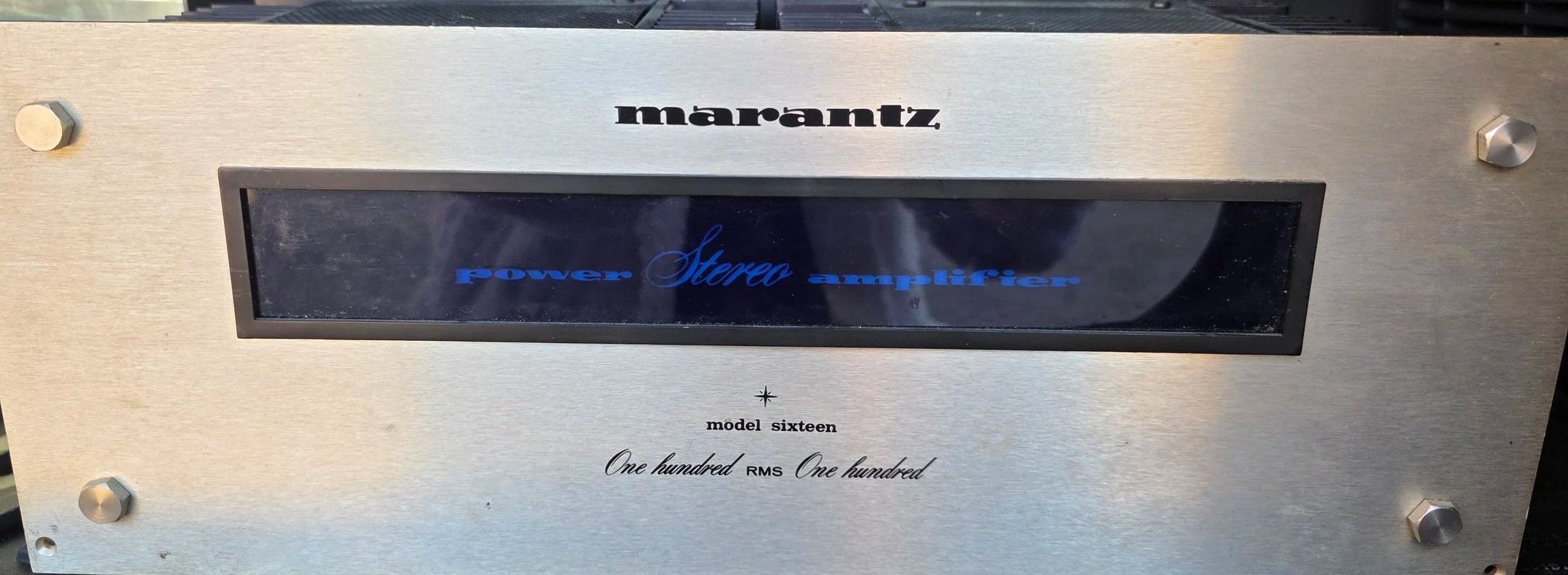
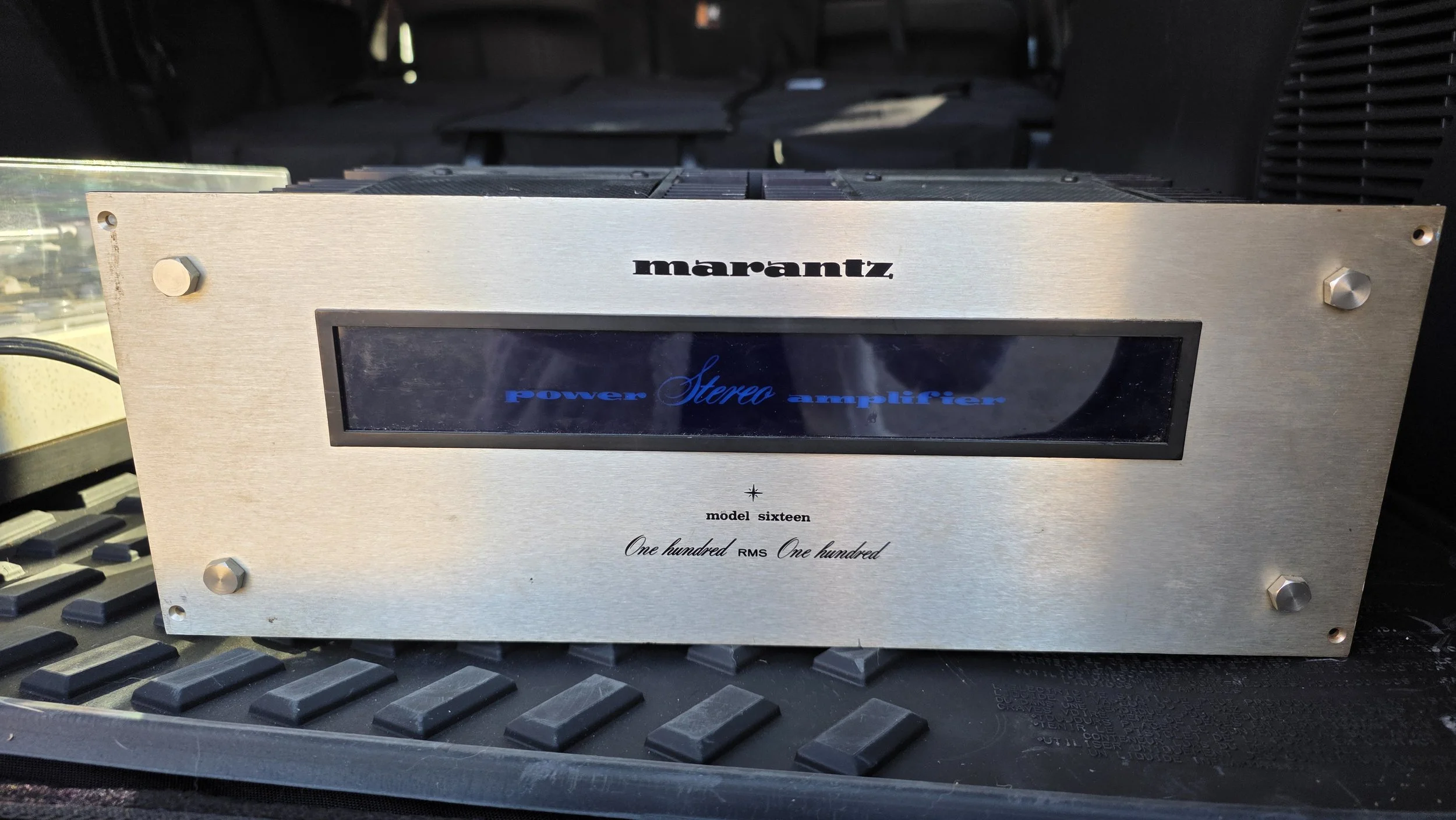
Stacks of Marantz 16B amplifier modules were powering Showco’s PA systems. At the time, Marantz represented some of the finest audio equipment available—powerful, clean and technologically advanced.
“If Showco was using the best of the best,” Jim recalled, “then that was where I wanted to work.”
He got the job on the spot.
Building a Truly Modular PA
From approximately 1970 through 1973, Rusty Brutsche and Jack Maxson used Marantz 16B amplifier modules in Showco’s first three PA systems.
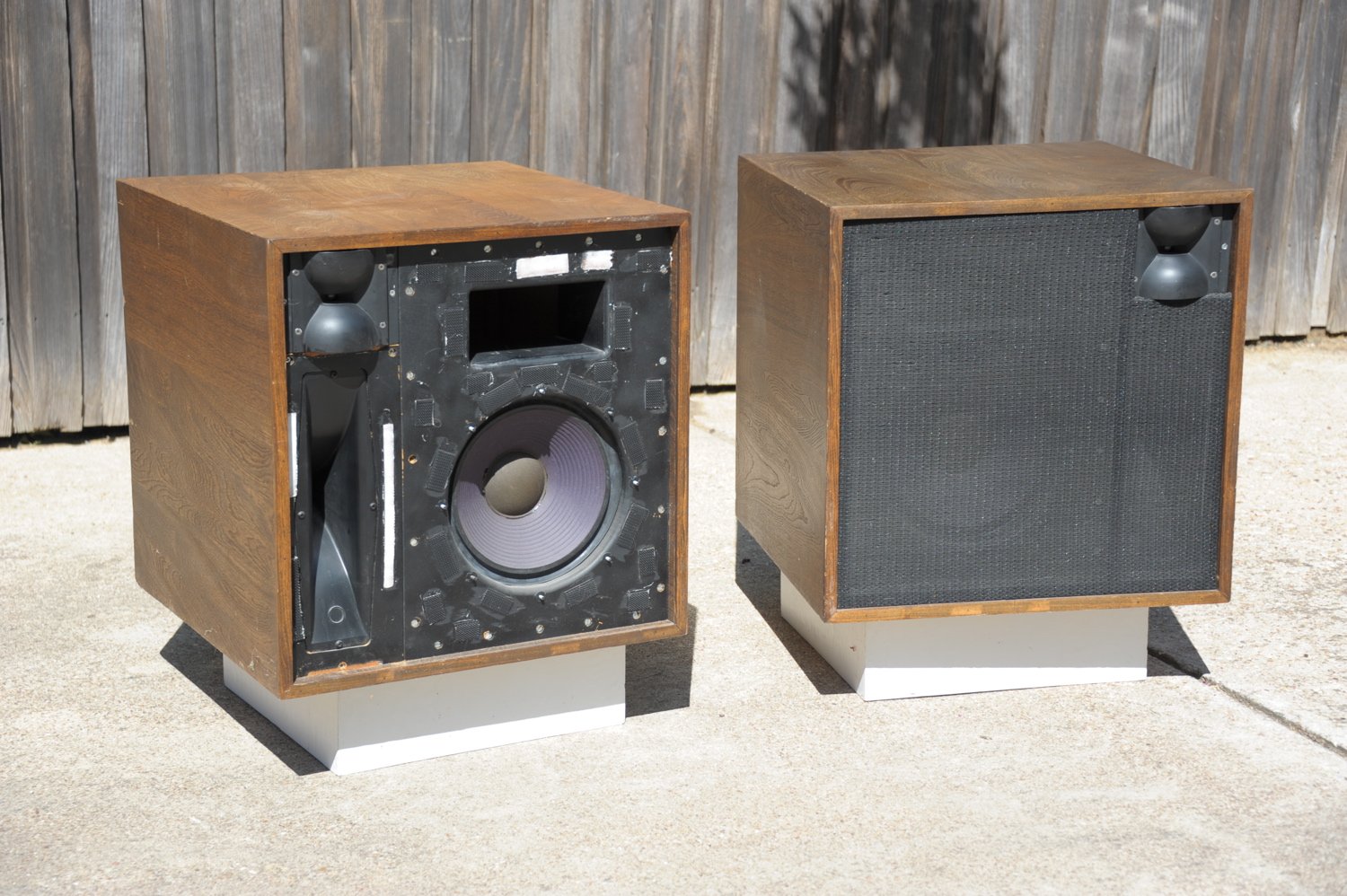
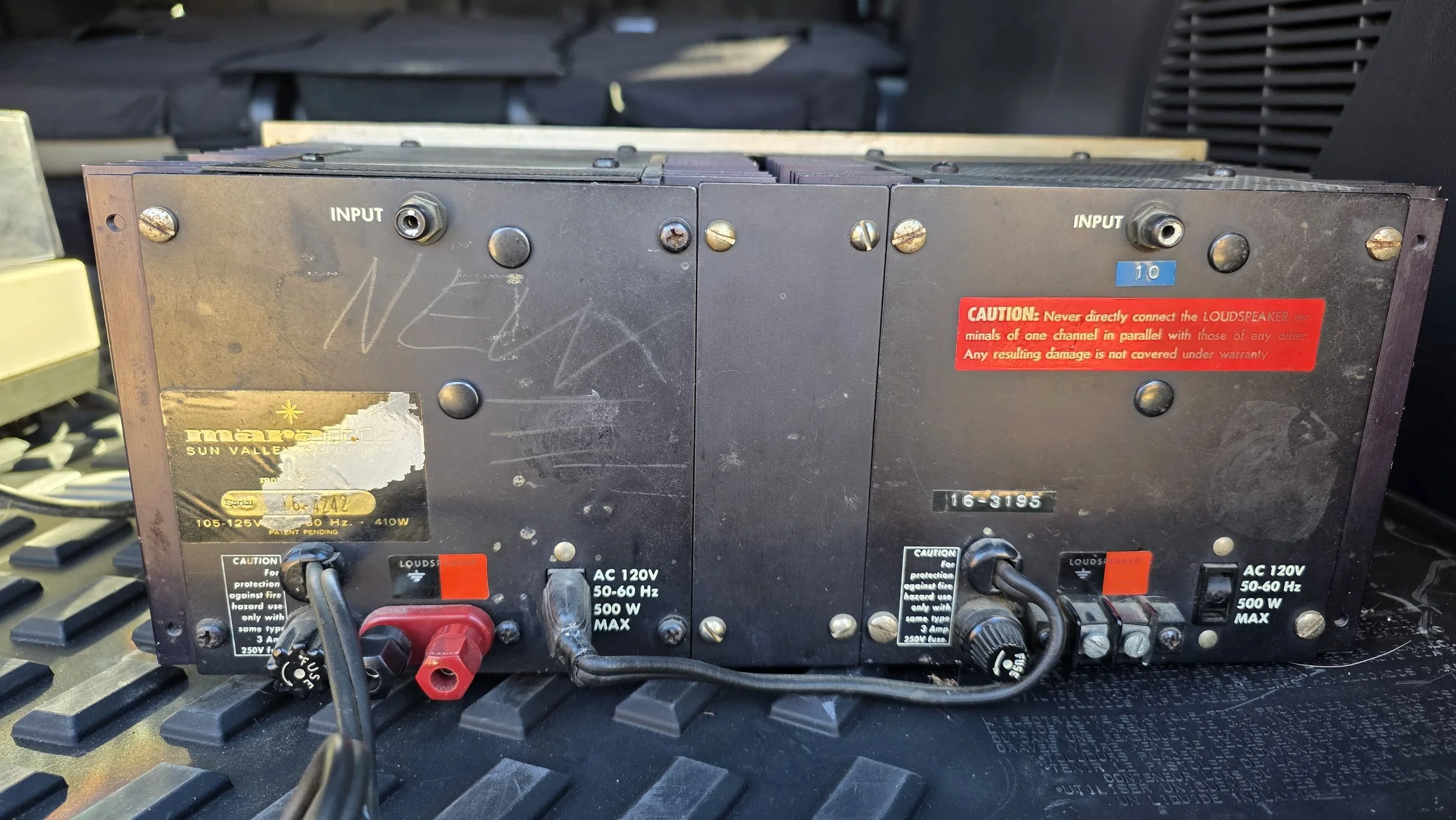
Rather than placing all the amplifiers together in large external racks, Showco mounted the compact black amplifier modules directly inside its bass and horn cabinets. Each enclosure could be connected using its AC power, audio signal and attached pigtails. The boxes could then be daisy-chained together as needed.
This gave Showco an unusually modular touring system. It reduced the amount of separate equipment that had to be connected and helped crews assemble increasingly large concert systems quickly and consistently.
The idea reflected an approach that would become central to Showco’s success: build a complete touring system in which each component was designed to connect, travel and work as part of a repeatable whole.
A Road-Born Safety Measure
Showco also modified the system’s connections to protect its loudspeaker components.
Following an expensive experience on the road, Jack and Rusty reversed the male and female XLR connections on different frequency drive lines. This prevented a bass-frequency signal from accidentally being connected to the high-frequency horns—a mistake that could quickly destroy delicate voice coils.
It was a simple but effective example of Showco engineering: identify what could go wrong during a hurried setup and design the system so that the mistake could not easily happen again.
Powerful, Clean—and Occasionally Terrifying
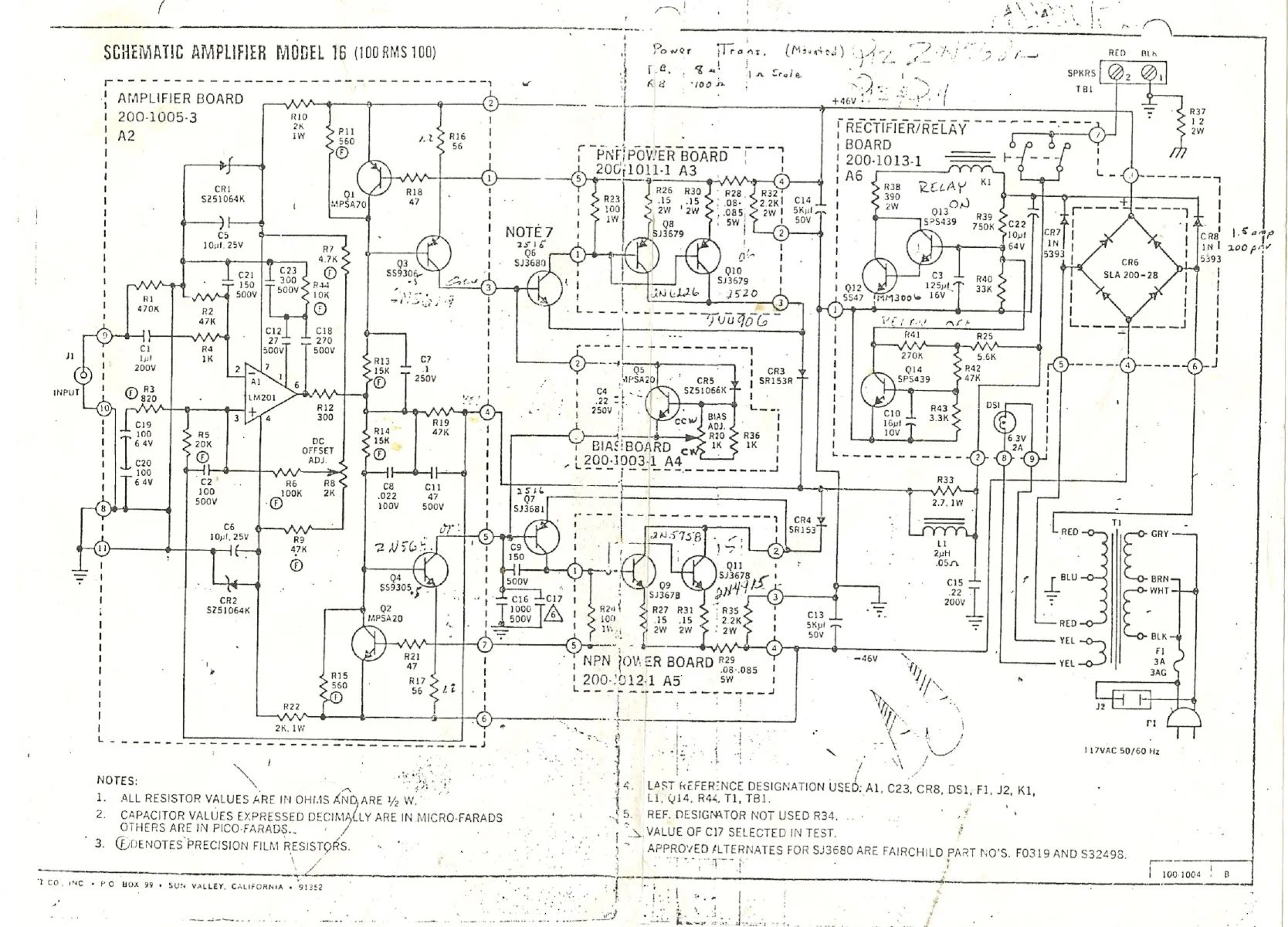
The Marantz 16B belonged to an early generation of professional all-transistor power amplifiers. It was valued for its clean output, extremely wide frequency response, low distortion and circuitry designed to eliminate the crossover notch that affected many early solid-state amplifiers.
Its performance made it well suited to Showco’s growing sound systems, but life on the road exposed one memorable weakness.
According to Jim, a large filter capacitor would occasionally fail during a performance. When it did, the system could produce an extremely loud 100-watt buzz through the PA—an unmistakable and painful sound that immediately got the attention of both the crew and the audience.
Showco electronics specialist Greg Bright kept the company’s inventory supplied with working replacement amplifiers so failed units could be exchanged and the system kept on the road.
The Story Continues
In 1974, Jim purchased a pair of used Marantz 16B modules from Showco and used them to power loudspeakers he designed during the mid-1970s.
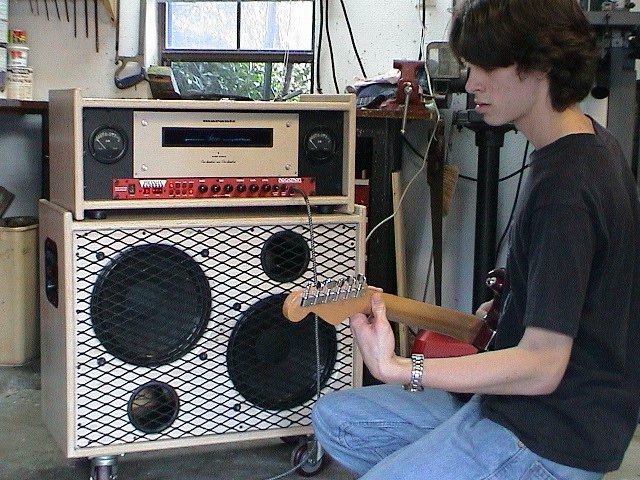
Years later, Jim and his son Daniel incorporated one of those same modules into a guitar amplifier. Decades after helping power Showco’s early touring systems, the Marantz amplifier was still producing the clean, powerful sound that had impressed Jim when he first walked into Showco in 1972.
A Marantz 16B module later given to Indigo Kretzschmar-May by her uncle prompted Jim to share this history, helping document another important piece of the technology behind Showco’s earliest systems.
History shared by Showco engineer and Vari-Lite pioneer Jim Bornhorst.
Crown & Showco
Power Built for the Road
Crown amplification became a trusted part of Showco’s touring systems during an era when concerts were rapidly growing in size, volume and technical complexity.
Introduced in 1967, the Crown DC-300 helped change professional audio by delivering unusually high power from a solid-state amplifier. Its rugged construction and ability to withstand demanding use made it especially well suited for studios, installations and life on the road. The later DC-300A became one of the most recognizable and respected professional amplifiers of its generation.
For Showco, dependability was essential. Amplifiers had to survive constant transportation, daily setup and teardown, changing electrical conditions and night-after-night operation inside increasingly powerful touring systems.
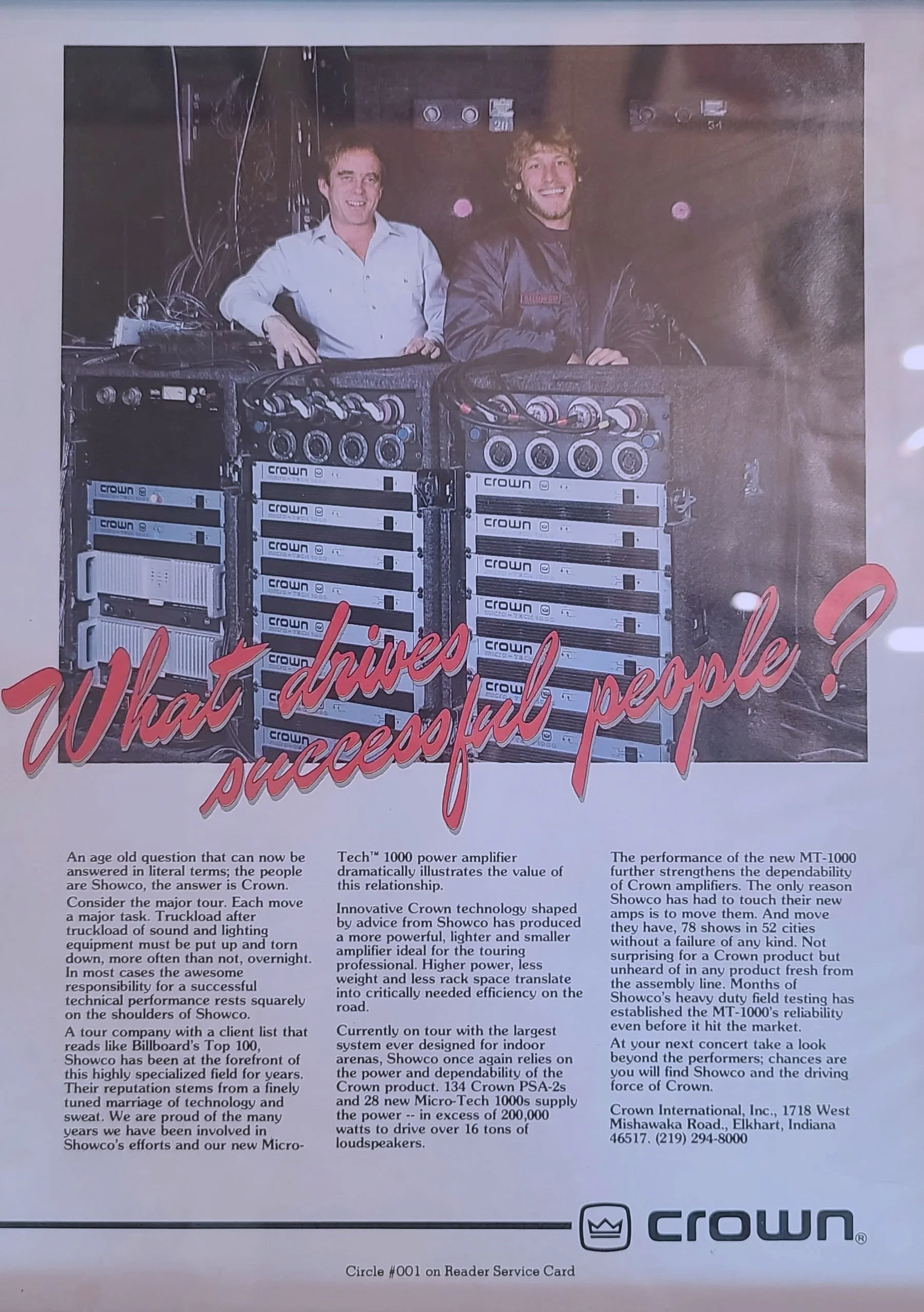
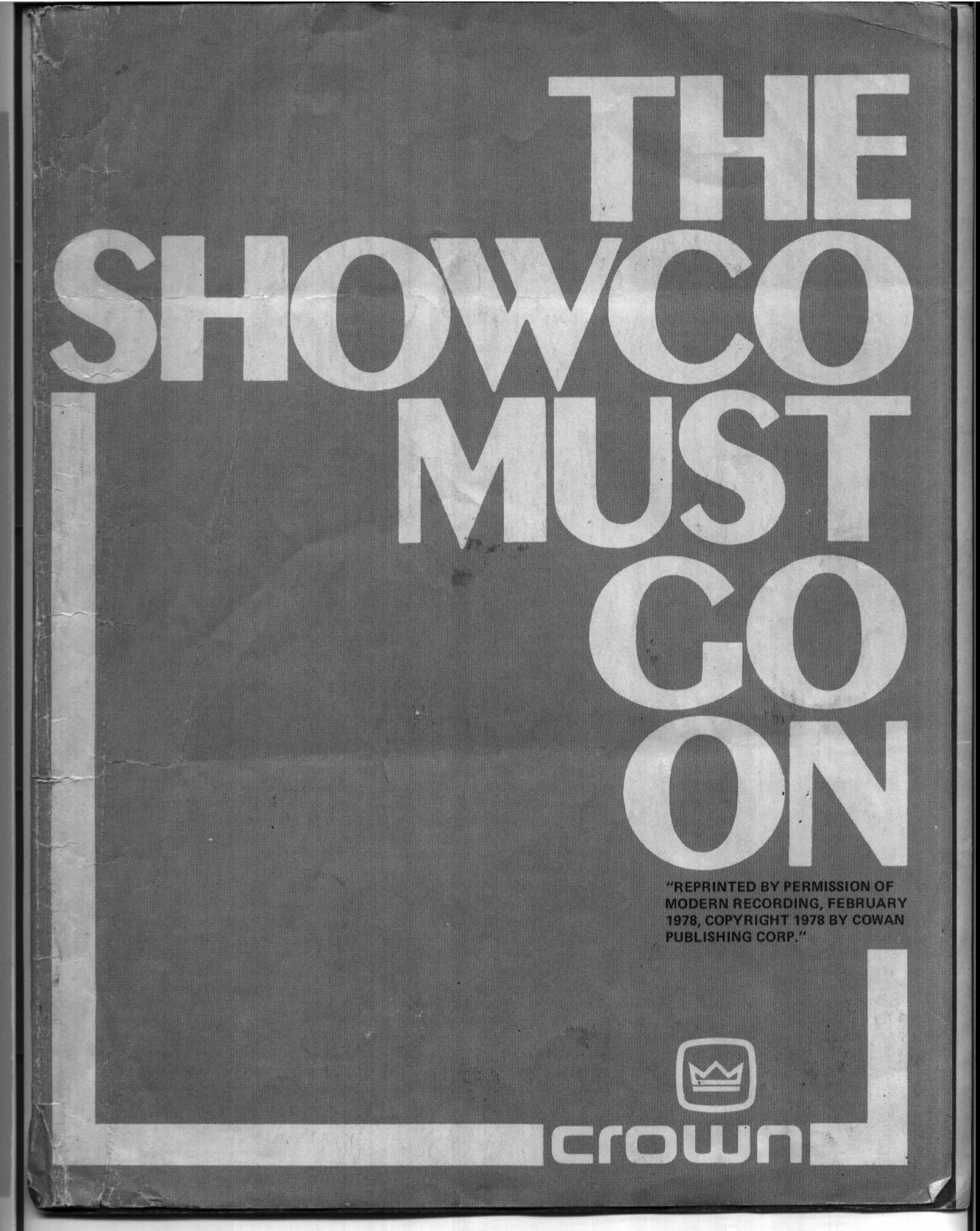
The connection is preserved through original Crown advertising held by Showco Archives, including an advertisement featuring Showco sound engineers Donnie “DK” Kretzschmar and Richard Bratcher. By placing working Showco engineers in its advertising, Crown drew upon the experience of the people who were putting its amplifiers to the test on major concert tours.
That shared history is still being preserved by the people who lived it. Showco alumnus Mike “Funk” Ponczek recently acquired one of the legendary Crown DC-300 amplifiers—a lasting piece of the nearly indestructible equipment that helped power the Showco era.
The amplifier’s reputation is part engineering history and part road legend: heavy, powerful and built to keep working under conditions that would have finished off lesser equipment.
JBL & Showco
The Components Inside the Showco Sound
JBL loudspeaker components were part of Showco’s sound from its earliest years through some of the company’s most advanced touring systems.
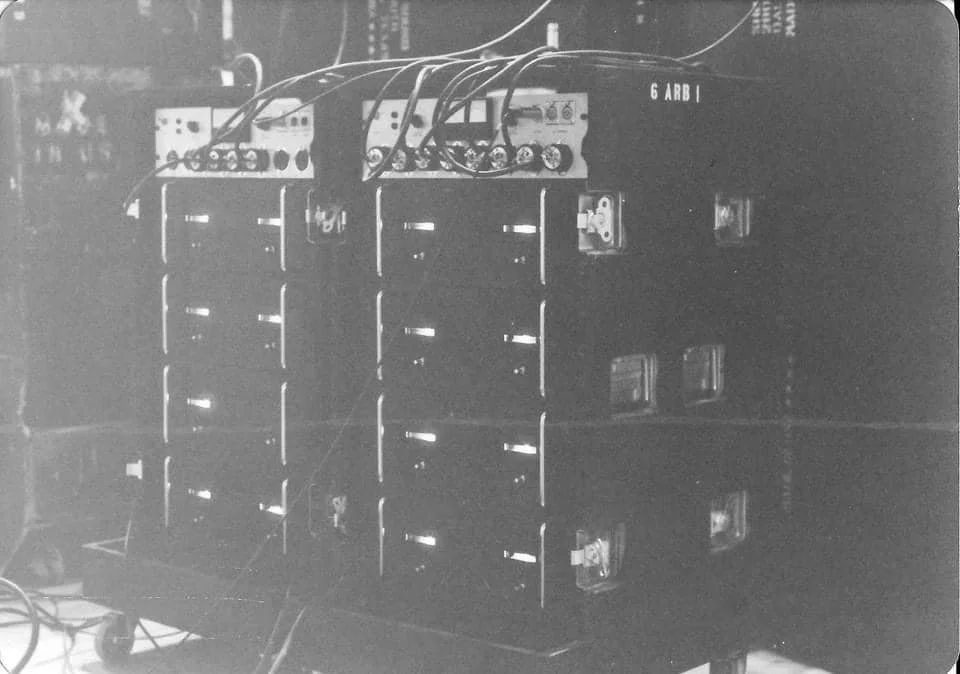
Surviving photographs from a 1971 Rare Earth concert in Monroe, Louisiana, show JBL 2470 compression drivers incorporated into an early Showco system alongside Frazier, Dukane and Showco-built equipment. These photographs document how Showco’s engineers combined professional components from different manufacturers while designing and refining systems capable of handling the growing scale of rock concerts.
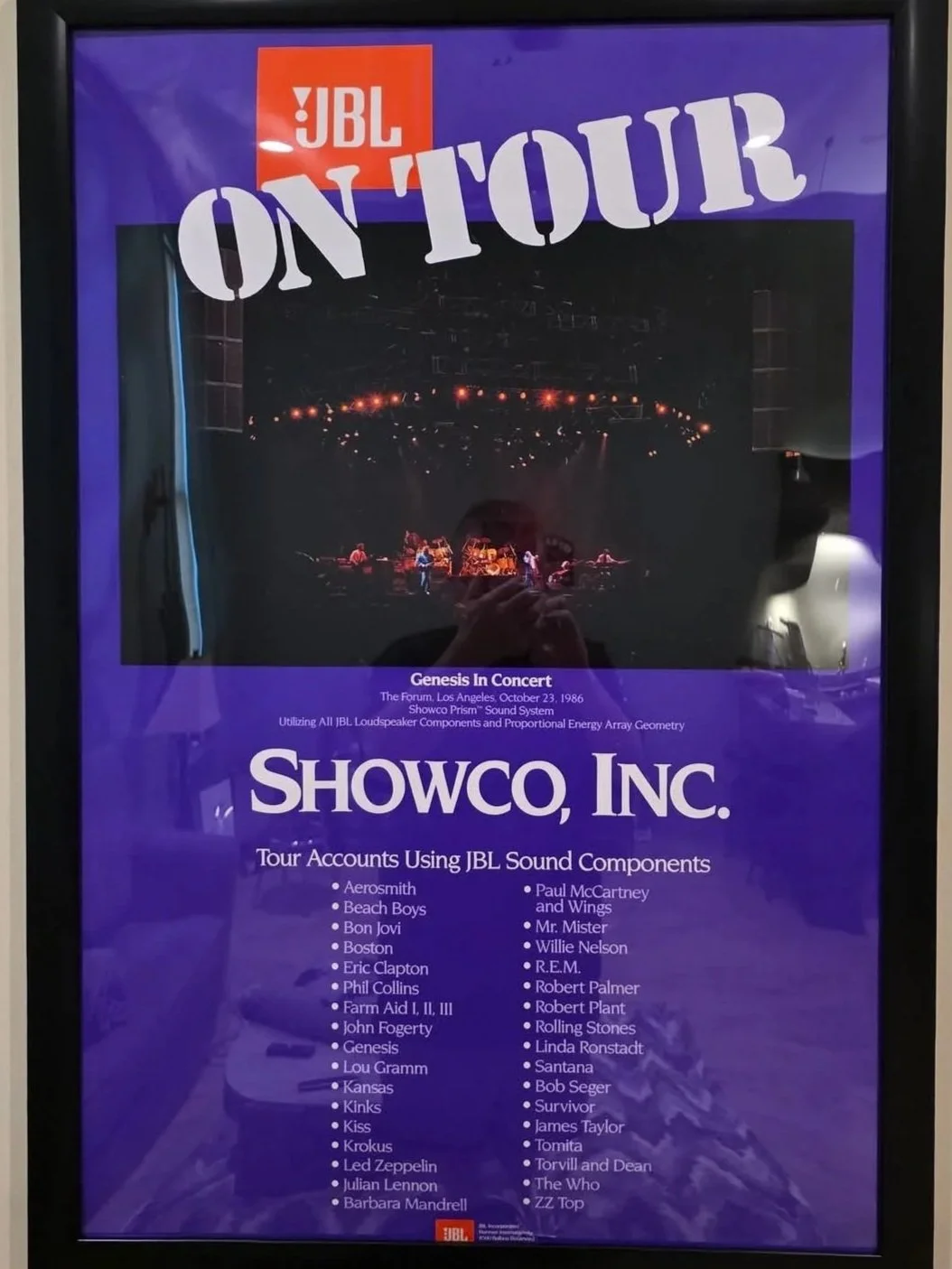
As Showco’s technology evolved, JBL remained an important part of that development. By the 1980s, the connection was prominent enough for JBL to feature Showco in its own “JBL On Tour” promotional campaign.
JBL On Tour: Showco’s PRISM System
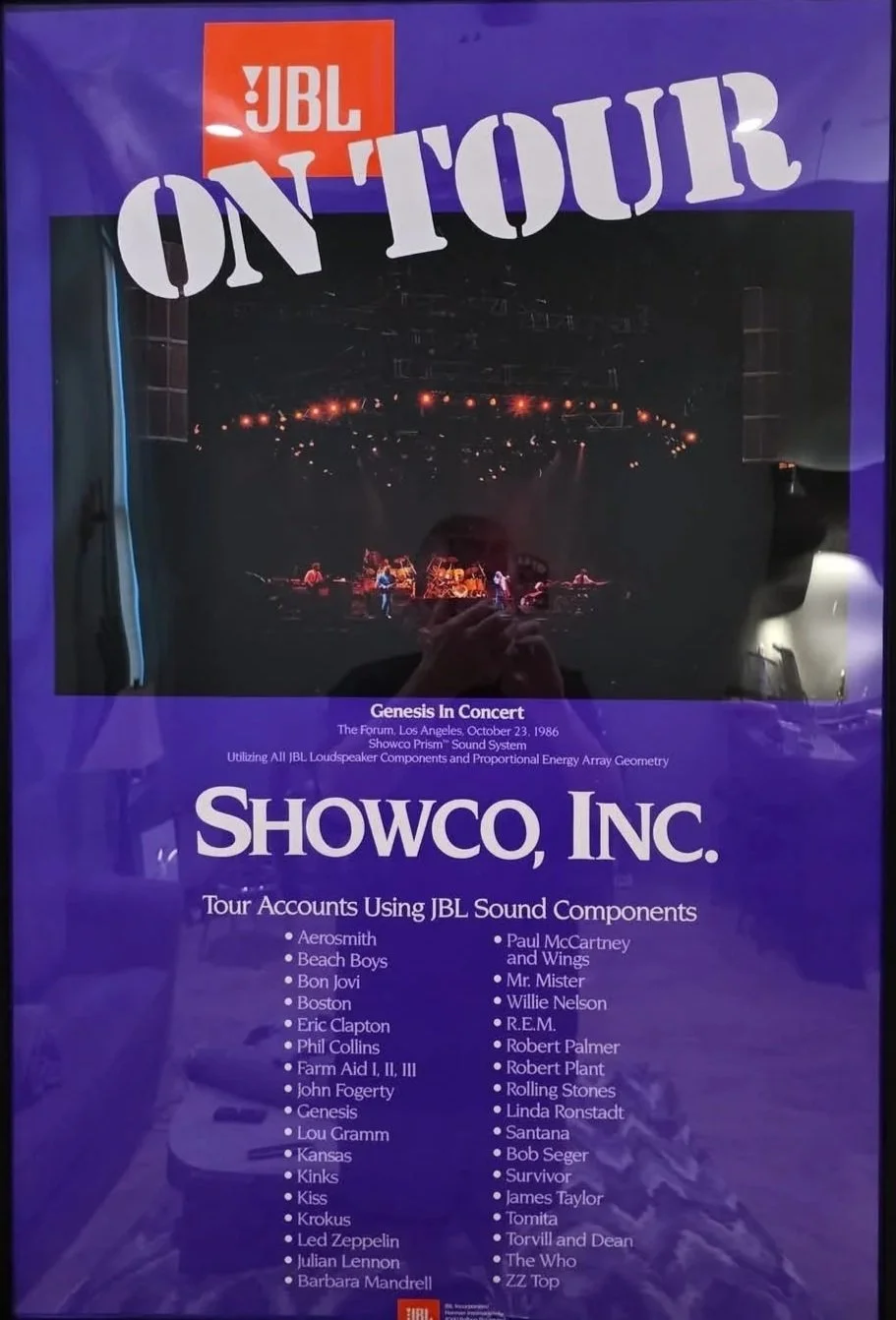
An original JBL promotional poster documents Genesis performing at The Forum in Los Angeles on October 23, 1986, with the Showco PRISM Sound System. According to JBL’s caption, the system utilized:
“All JBL Loudspeaker Components and Proportional Energy Array Geometry.”
This is significant primary evidence. Rather than simply showing JBL parts inside a cabinet, the advertisement identifies the loudspeaker components within a major Showco touring system as entirely JBL.
The advertisement’s reference to “Proportional Energy Array Geometry” reflects Showco’s approach to controlling how sound energy was distributed throughout large arenas. The arrangement of the system directed different levels of acoustic energy toward different seating areas, helping provide more consistent coverage throughout the venue.
The result combined Showco’s system engineering and touring experience with JBL loudspeaker technology.
A Partnership Heard Across Major Tours
The poster identifies more than 30 Showco tour accounts using JBL sound components, including Aerosmith, The Beach Boys, Bon Jovi, Eric Clapton, Phil Collins, Genesis, Led Zeppelin, Paul McCartney and Wings, R.E.M., Robert Plant, The Rolling Stones, Linda Ronstadt, Santana, James Taylor, The Who and ZZ Top.
The range of artists demonstrates the scale and longevity of the JBL–Showco connection. JBL components were used across rock, pop, country, major benefit concerts and other large productions—not for one isolated tour, but across a substantial part of Showco’s history.
More Than an Equipment Credit
JBL’s decision to feature Showco by name is important. The poster promotes Showco, Inc. as the touring sound provider while using Genesis and Showco’s roster of major clients to demonstrate JBL’s presence on the road.
It documents a mutually valuable industry relationship: Showco placed JBL components inside systems heard by enormous audiences, while JBL used Showco’s reputation, technology and tour history to demonstrate its products under real touring conditions.
Original JBL promotional pieces preserved by Showco Archives—including JBL satin jackets and a JBL/Showco/Vari-Lite Phil Collins pullover—provide additional evidence of the relationship between JBL, Showco and the touring community.
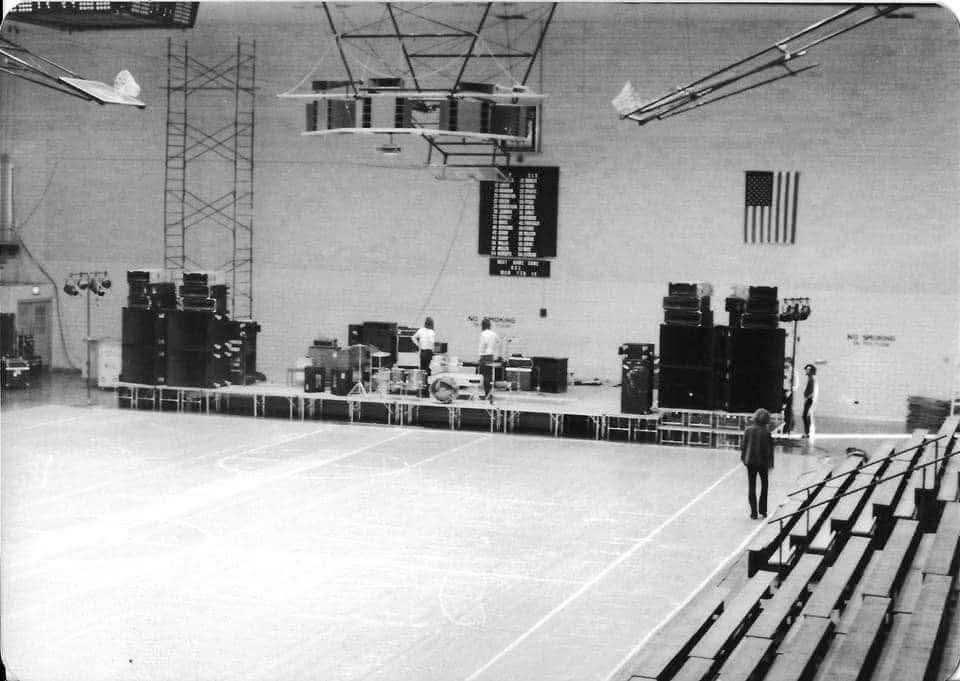
FRAZIER INSTALL-JBL 2470 DRIVERS
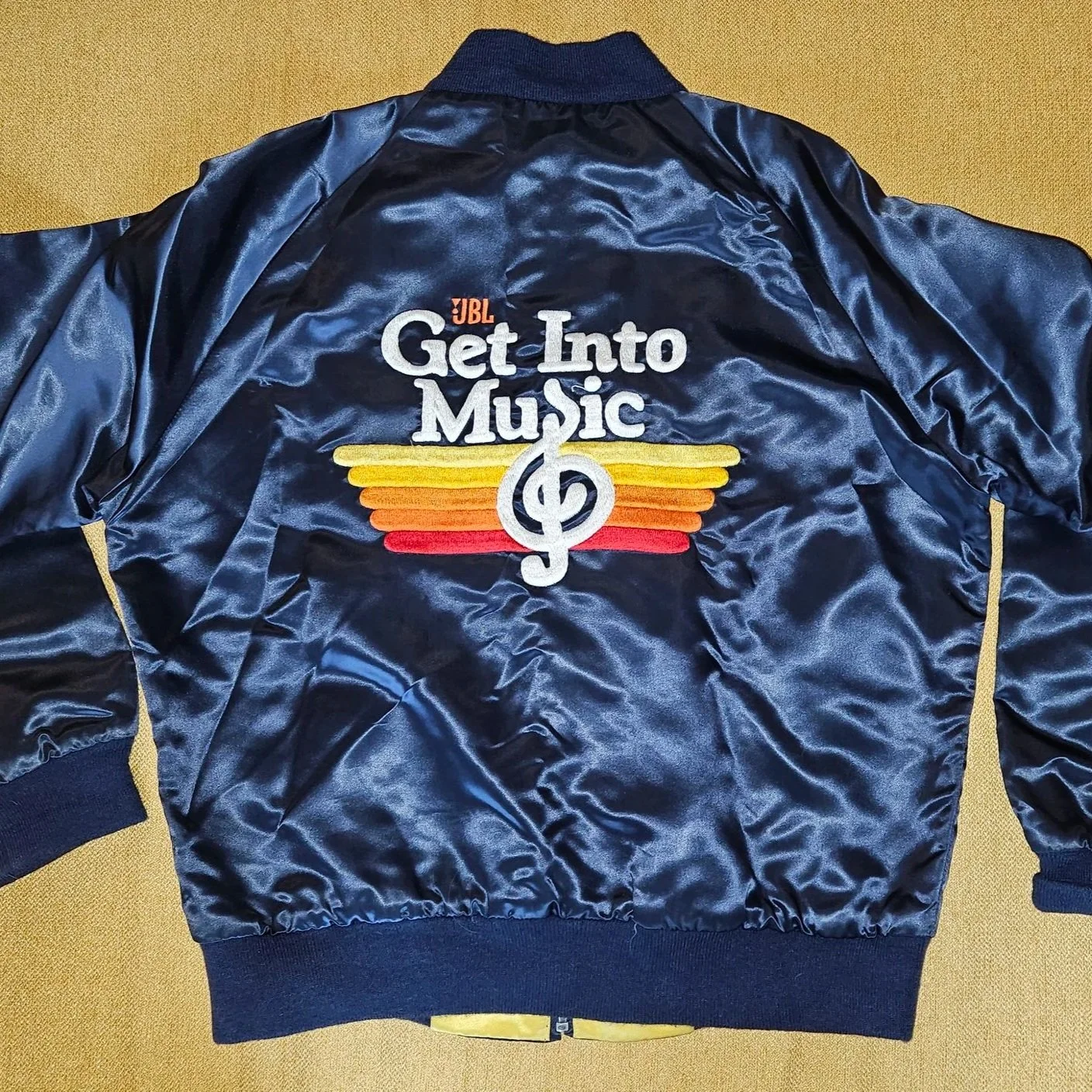
JBL Satin Bomber Jacket
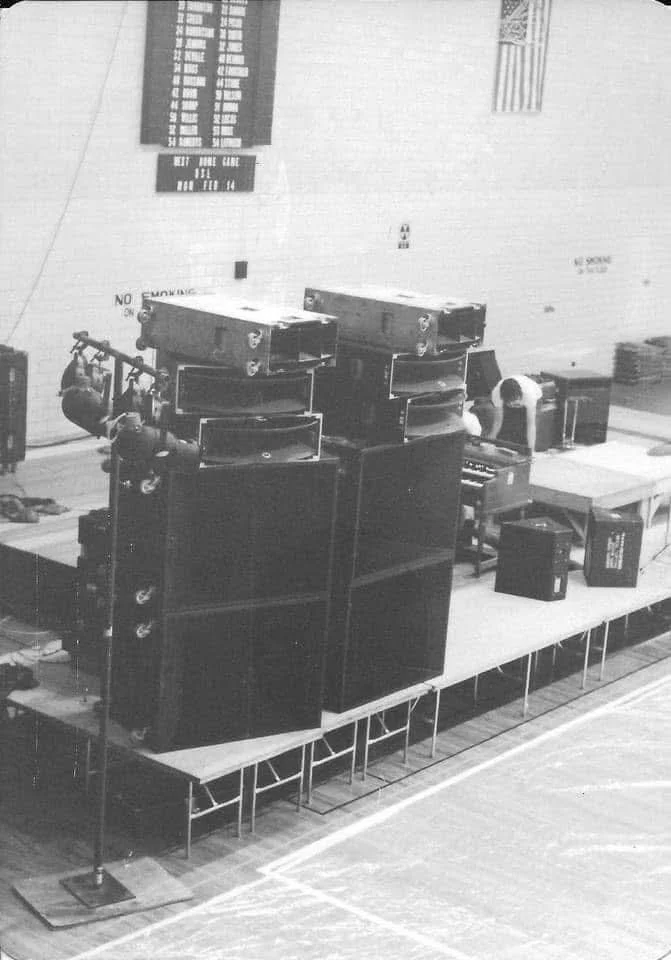
JBL-2470-HORNS-DUKANE DRIVERS
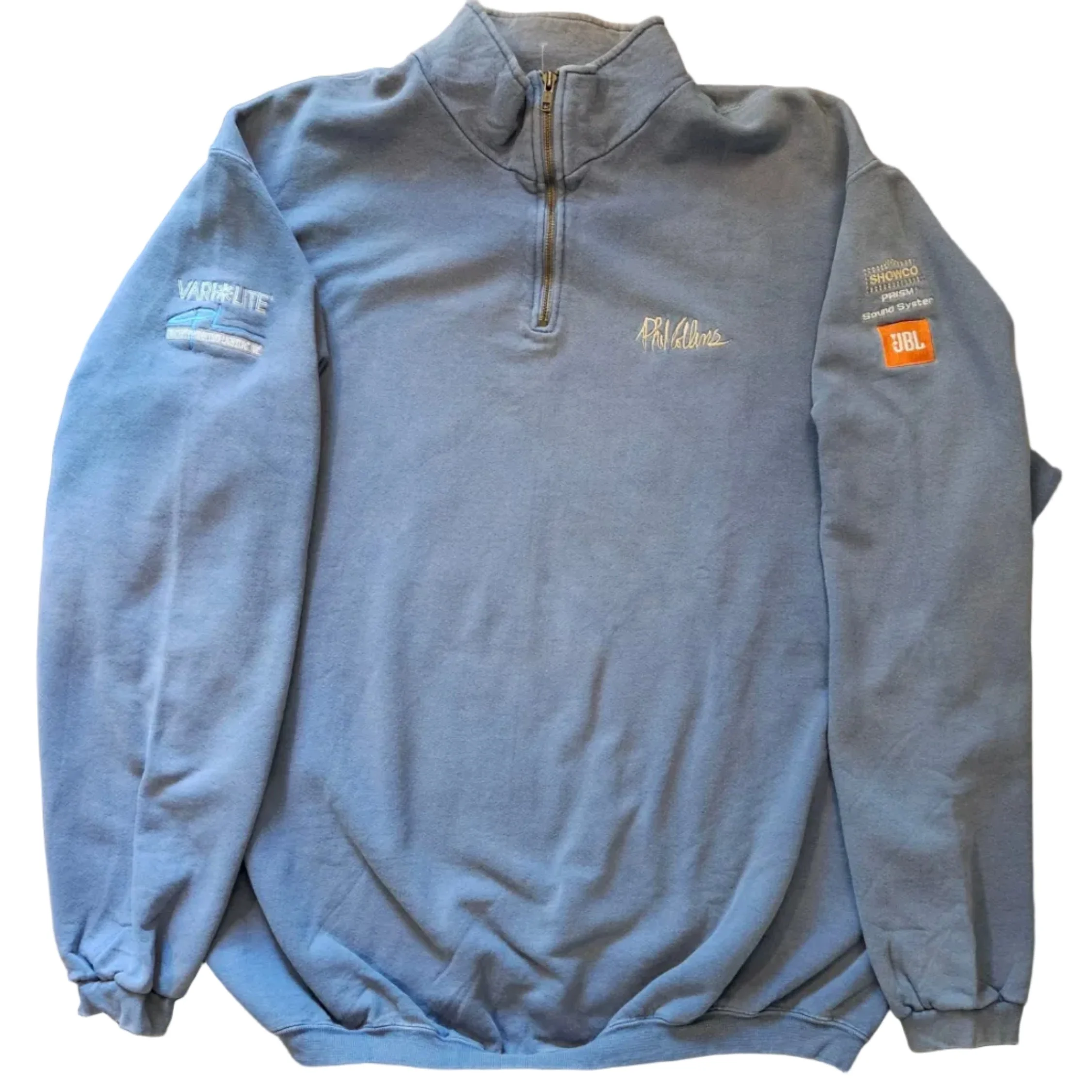
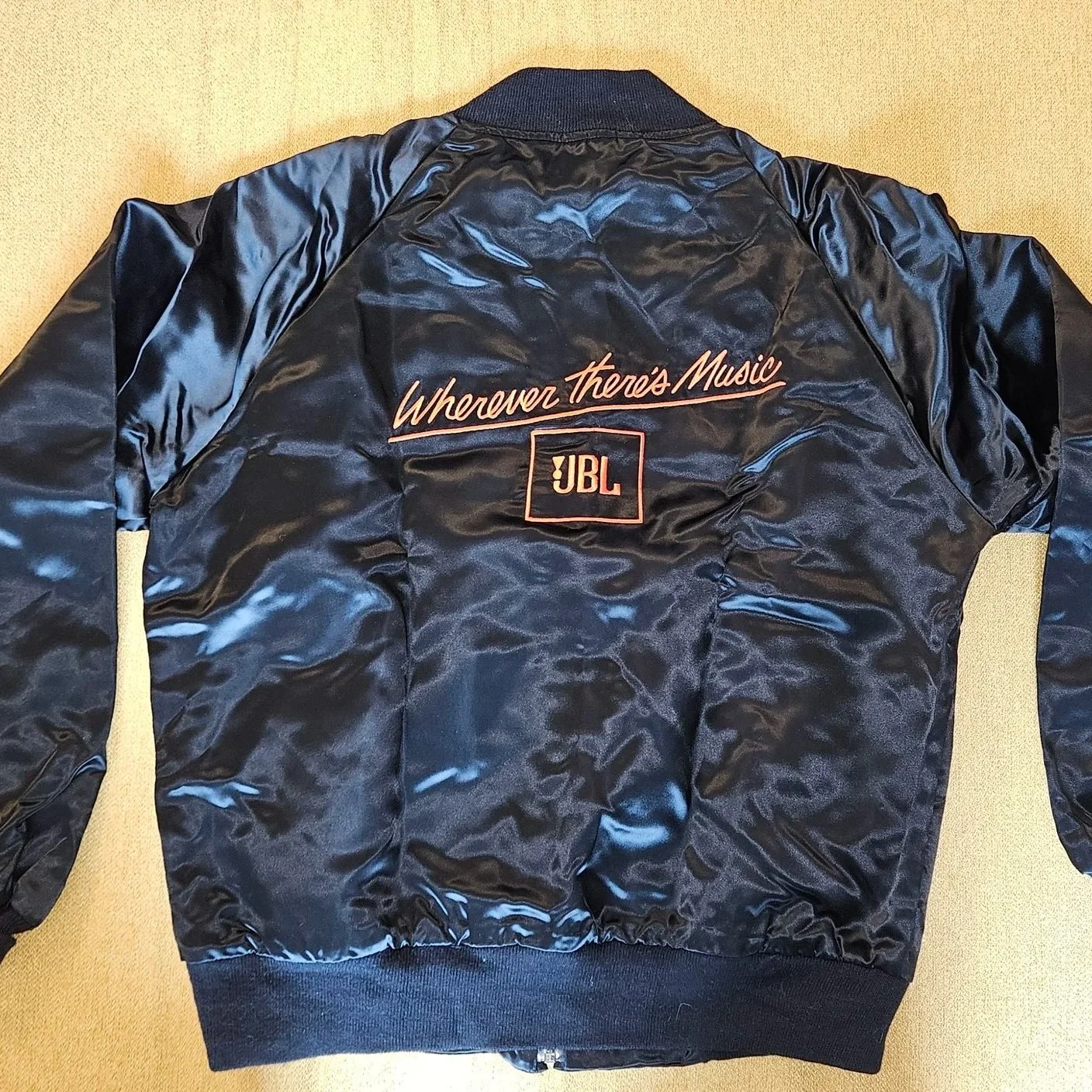
JBL Satin Bomber jacket
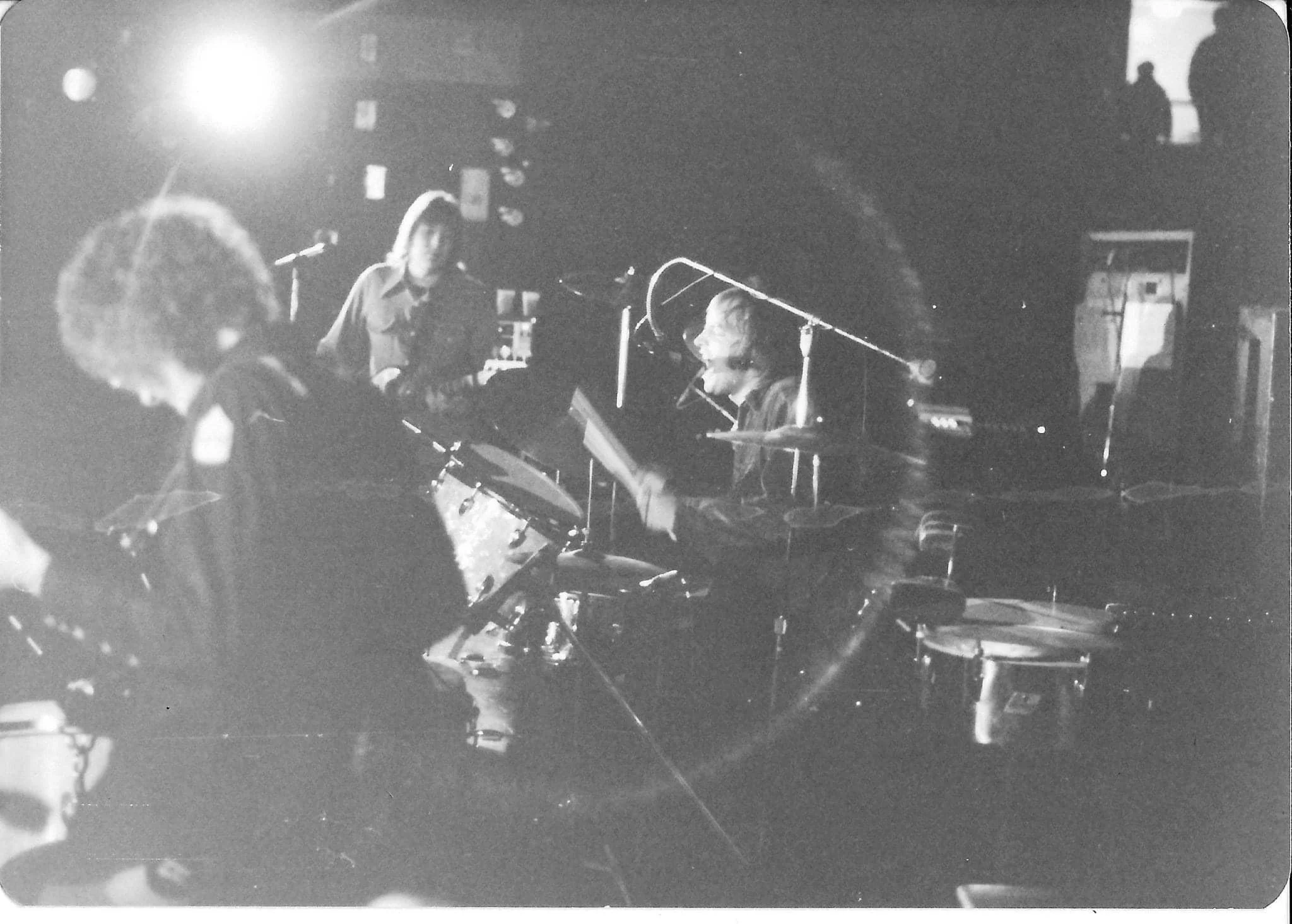
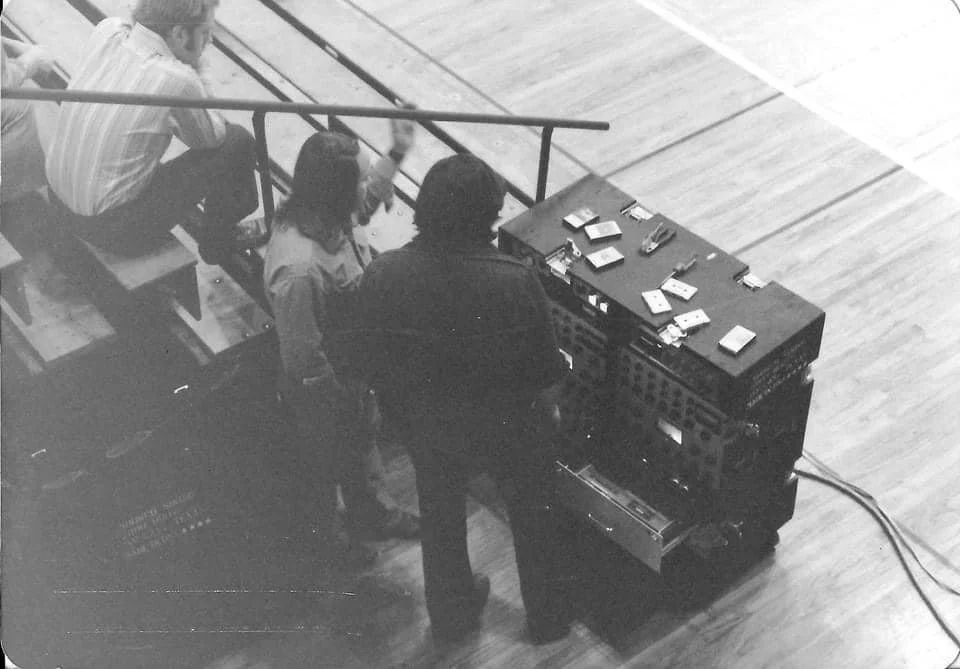
Jack Maxson, Rusty Brutsche
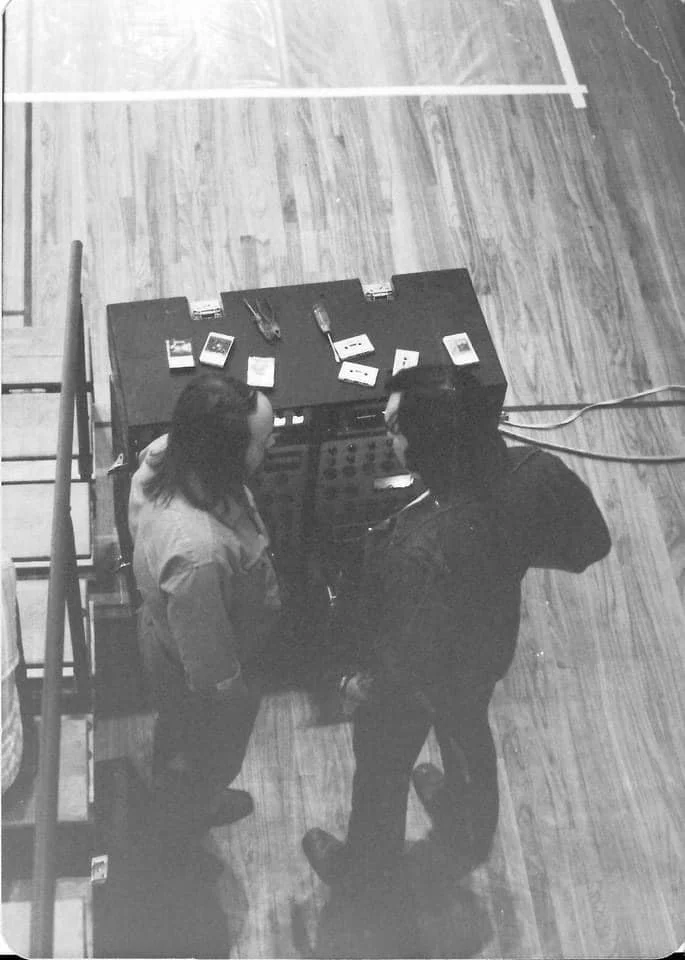
Jack Maxson, Rusty Brutsche
Vari-Lite
The Innovation Born Inside Showco
Vari-Lite occupies a unique place within the Showco story. It was not simply an outside manufacturer or touring partner—it began inside Showco’s own research and development department.
In the late 1970s, Showco engineer Jim Bornhorst and the company’s R&D team began experimenting with a new kind of concert light: one that could change color and position remotely during a performance. The concept grew from Showco’s culture of identifying touring limitations and designing new technology to overcome them.
In 1980, Showco representatives traveled to England to demonstrate an early prototype for Genesis members Tony Banks, Phil Collins and Mike Rutherford, along with the band’s longtime manager, Tony Smith. Genesis invested in the system’s continued development for its upcoming tour, and Smith proposed the name Vari-Lite.
The experimental VL0 prototype led to the VL1, recognized as the first modern automated moving-head concert luminaire. The new system made its public debut with Genesis in 1981 and fundamentally changed live-event lighting.
From Showco Project to Independent Company
Vari-Lite grew from a Showco research-and-development project into a separate operating company within the same ownership group. Showco Archives documents Vari-Lite material through 2000, when Showco was sold and the original shared-ownership era ended. The Vari-Lite brand later changed hands and remains active today.
Showco Archives is not affiliated with or representative of the current Vari-Lite company. This section documents the technology’s origins, the Showco employees involved in its creation and the place Vari-Lite holds within Showco’s historical legacy.
The People Behind the Innovation
Vari-Lite was not the achievement of one person. Its development and early success depended upon Showco engineers, company leadership, programmers, operators and lighting designers who transformed an experimental fixture into a practical touring system.
Jim Bornhorst led the original technical development, turning the idea of a remotely controlled, color-changing and moving light into a working prototype.
John Covington was responsible for analog engineering on the original Vari-Lite development team.
Tom Walsh developed the system’s digital electronics and control hardware.
Brooks Taylor contributed systems/software engineering and console integration.
Rusty Brutsche helped guide and support the project as it moved from Showco’s research and development department toward the formation of Vari-Lite.
Tom Littrell operated the first Vari-Lite system, helping take the new and still-developing technology onto the road.
Alan “Goat” Owen, Genesis’ longtime lighting and production designer, gave the new technology its creative voice. As the lighting designer for the 1981 Abacab Tour—the first major concert tour to use the early Vari-Lite system—Goat helped demonstrate what automated lighting could become when placed in the hands of a gifted designer.
He expanded those possibilities further during Genesis’ 1983–1984 Mama Tour. His ambitious design incorporated approximately 150 Vari-Lite fixtures across a distinctive pie-shaped truss, supported by conventional PAR lights and followspots. The production showed that moving lights were not merely a technical novelty; they could become an essential part of a concert’s visual storytelling.
Genesis and longtime manager Tony Smith also played a defining role. The band invested in the system’s development and used it on tour, while Smith supplied the Vari-Lite name.
Together, these engineers, operators, designers, investors and touring personnel helped turn an idea developed inside Showco into technology that transformed concert lighting.
A Showco Legacy Still in Use
Vari-Lite’s continued existence does not separate it from the Showco archive—it makes documenting its origins even more important.
The current Vari-Lite brand represents the later life of a technology first imagined, developed and tested by people inside Showco. Its story belongs within the archive because it demonstrates how Showco’s influence extended beyond sound reinforcement and helped create an entirely new field within concert production.
This historical feature documents Vari-Lite’s origins within Showco. Showco Archives is an independent preservation project and is not affiliated with the current Vari-Lite company.
More of the Showco Network
Additional companies, equipment manufacturers and production relationships will be added as original advertisements, photographs, technical records and firsthand accounts are researched and documented.
This growing section will include more of the manufacturers and companies whose equipment, services and people became part of Showco’s working world.
The Network Today
The original Showco company may no longer be operating, but the relationships, creativity and sense of community surrounding its history continue.
Today, Showco Archives works with companies, artists, collectors and fellow preservationists who help document, interpret and share this history. Some of these are new collaborations, while others—like Sound Productions—carry relationships formed during the Showco years into the present.
SoundPro & Showco Archives
A Historic Relationship That Continues
The relationship between Sound Productions and Showco did not end when Showco was acquired in 2000.
Today, SoundPro continues to support Showco’s legacy through its relationship with Showco Archives. Current owner Josh provides Indigo Kretzschmar-May with space at SoundPro for recording interviews and other archival projects. He has also purchased original Showco memorabilia and additional pieces to accompany SoundPro’s large and growing museum collection.
That continued support gives Showco’s history a physical place within the company that once supplied backline, technical support and equipment services for so many Showco tours.
What began as a working relationship between two Dallas touring companies more than fifty years ago now continues through preservation, shared history and a commitment to keeping the stories and equipment of that era from disappearing.
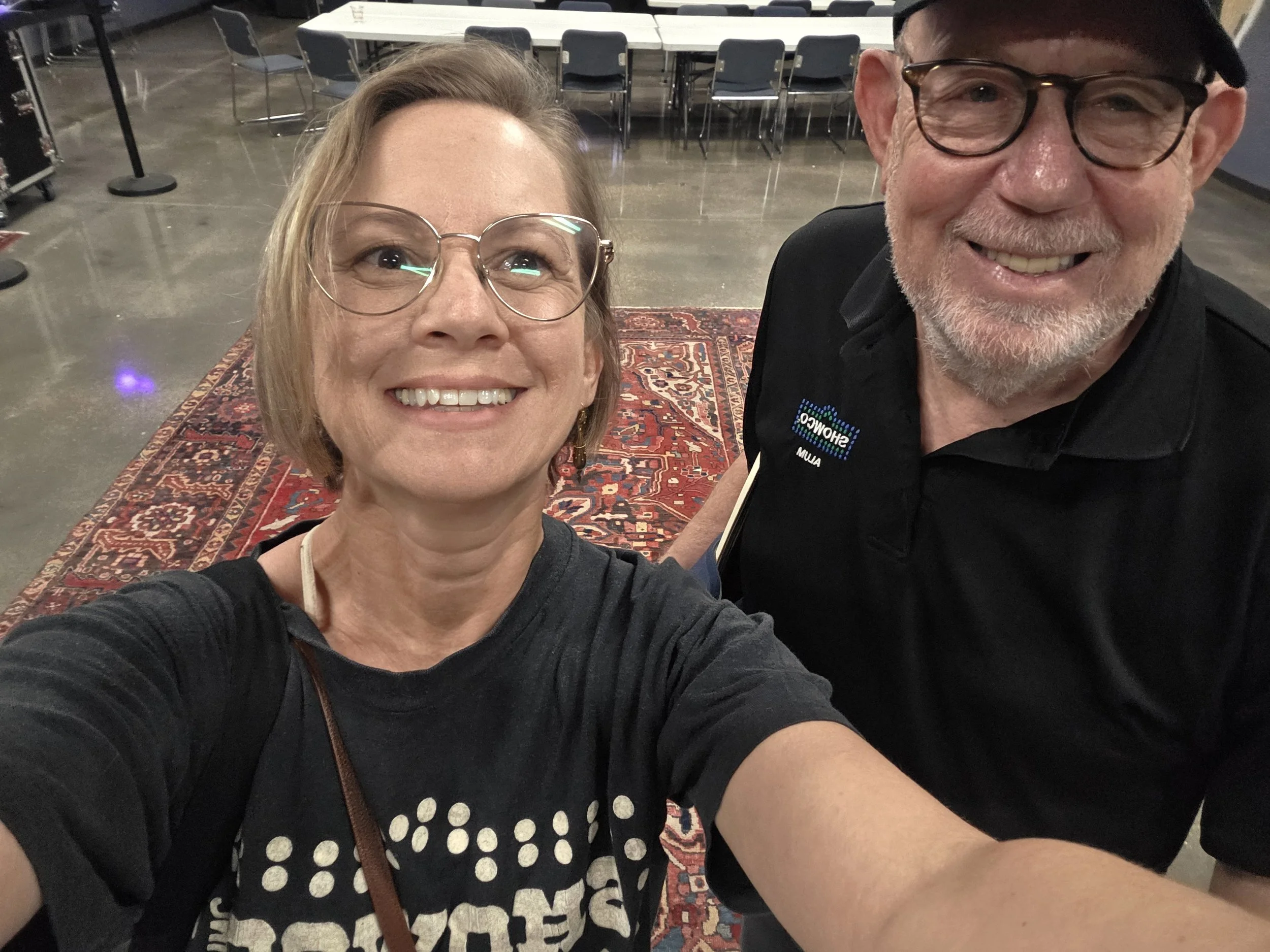
Indigo K-May, Mike 'Funk' Ponczek - SoundPro 2026
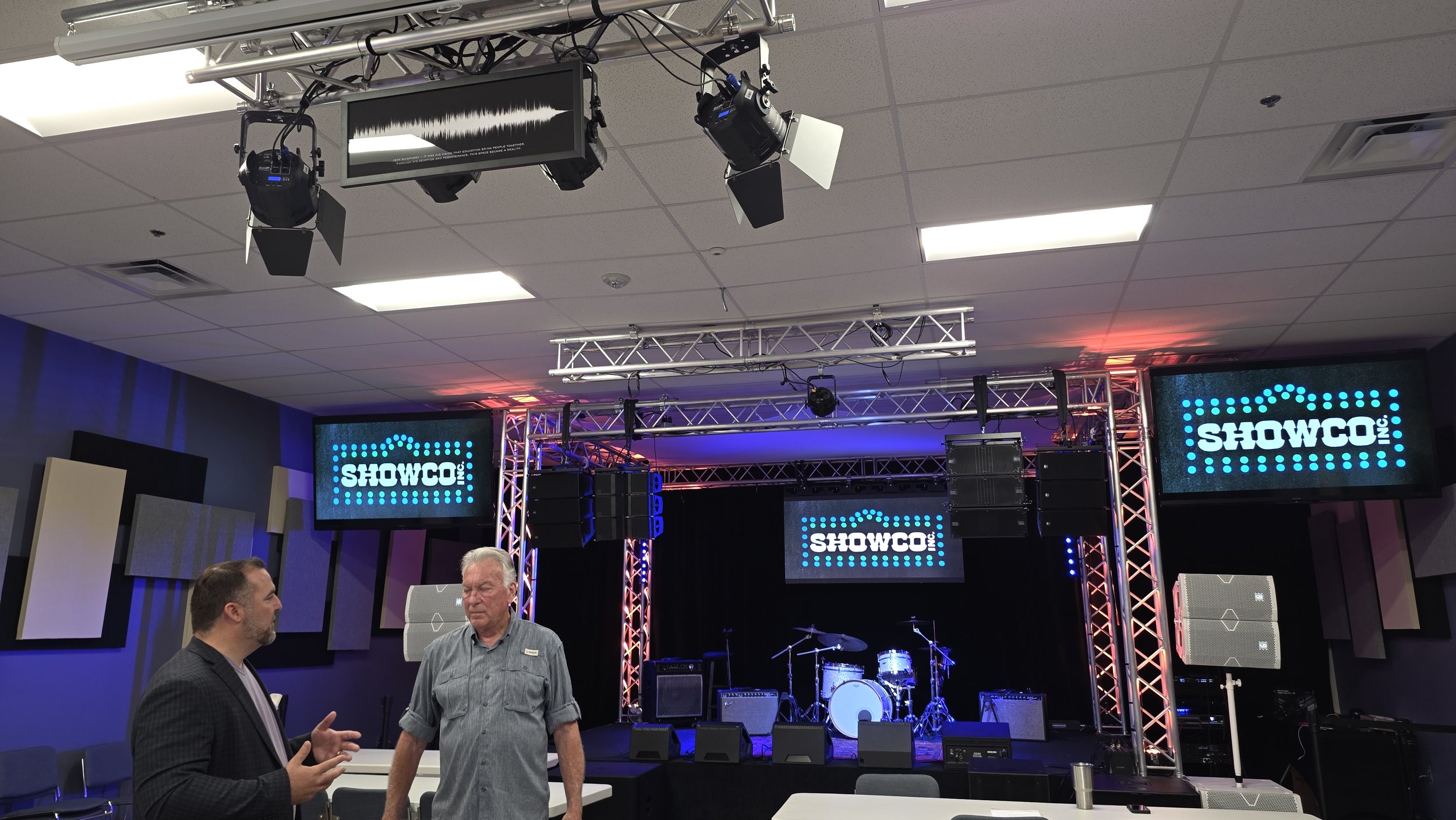
Craig Satterfield 2025 SoundPro
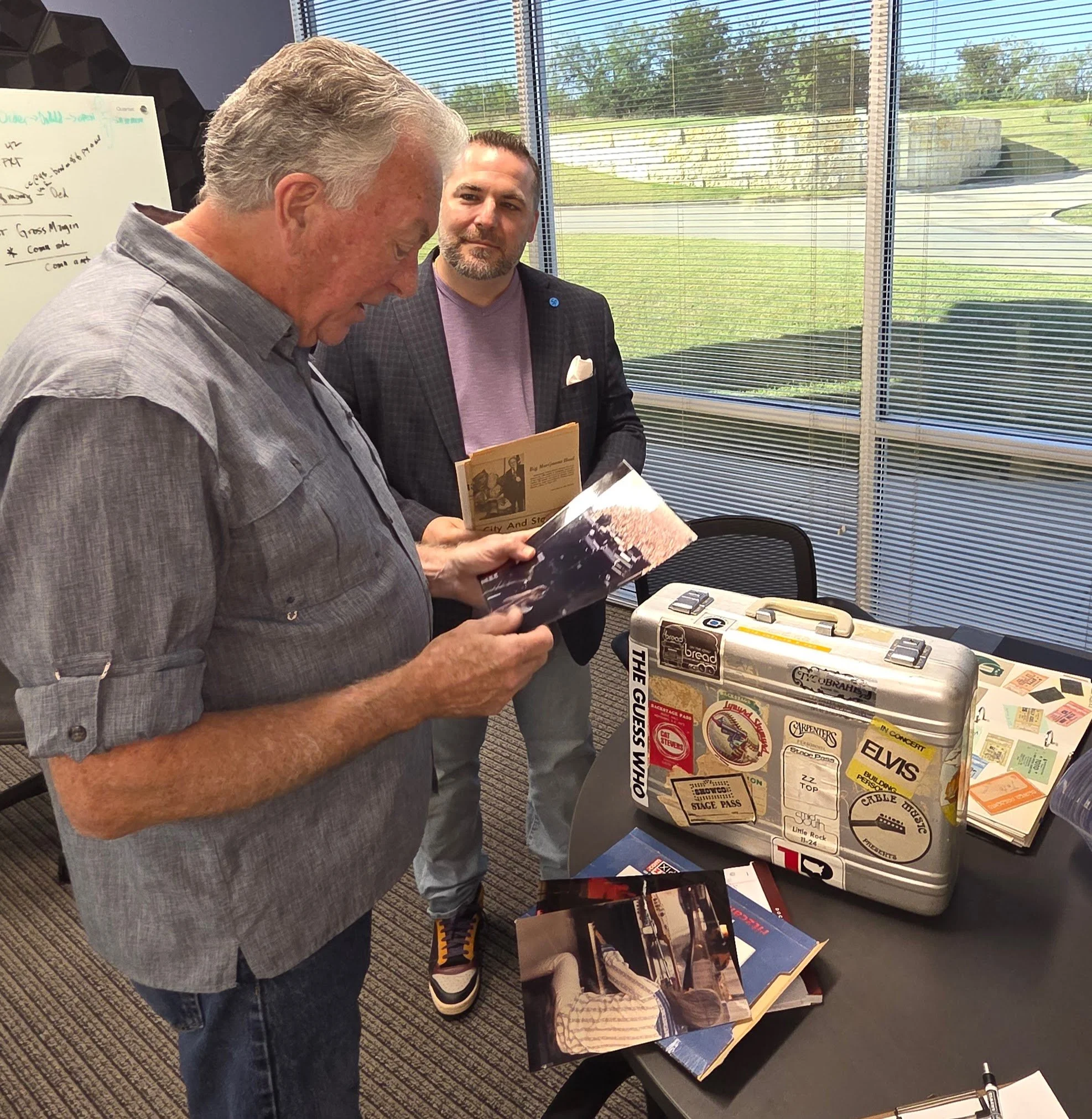
Craig Satterfield, Josh Curlett - SoundPro 2025
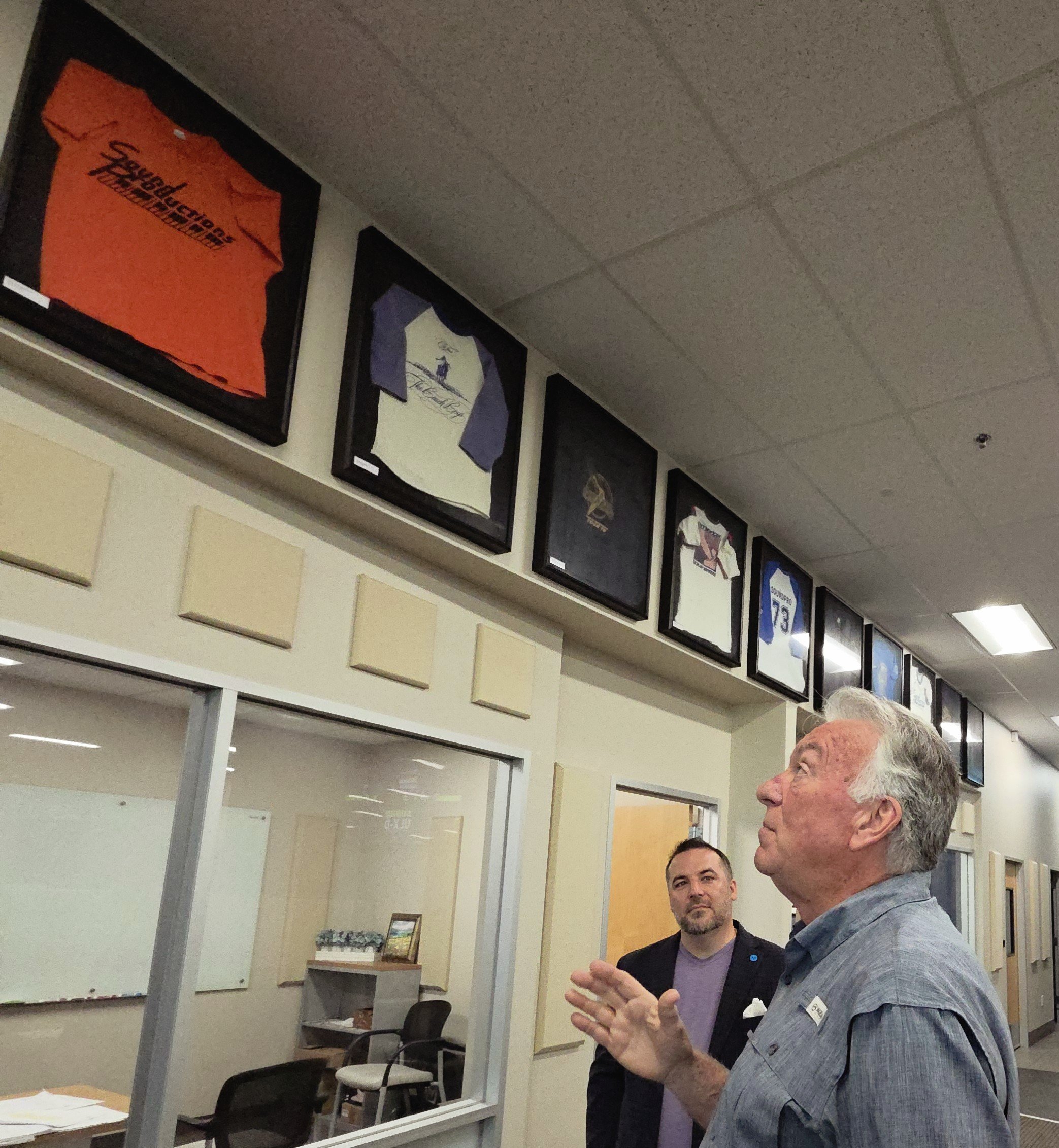
Craig Satterfield, Josh Curlett - SoundPro 2025
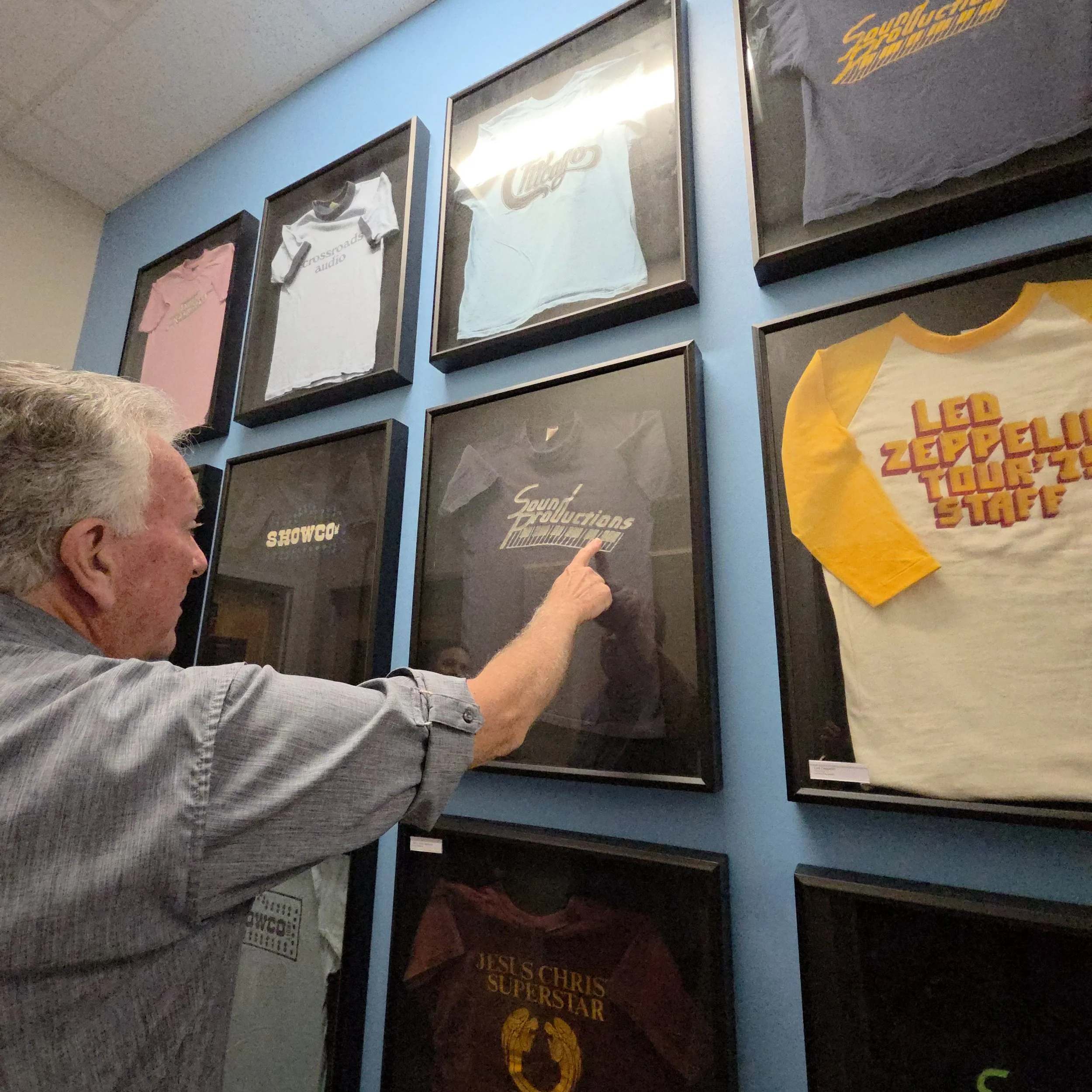
Craig Satterfield- SoundPro 2025
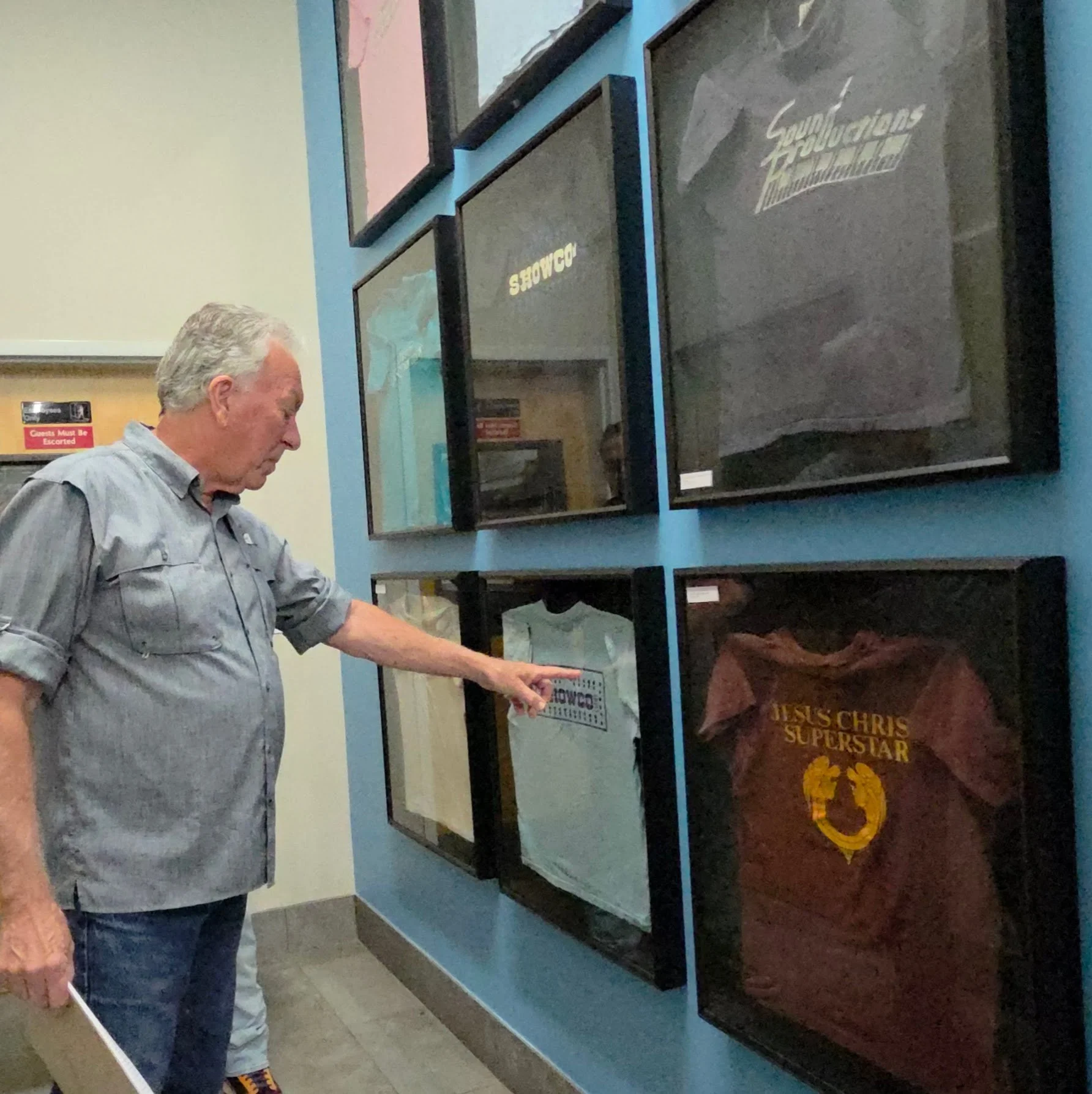
Craig Satterfield - SoundPro 2025
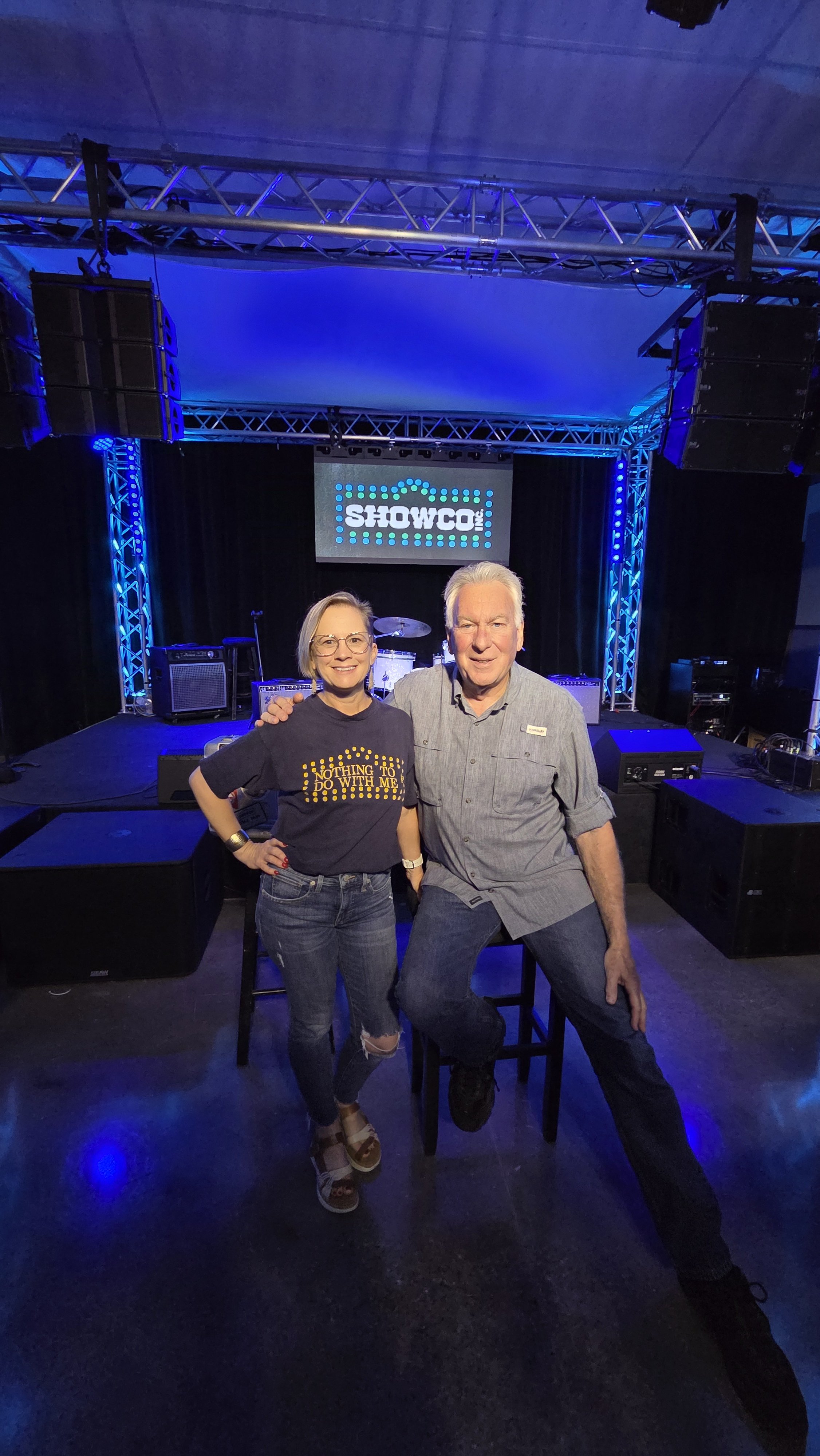
Indigo K-May, Craig Satterfield
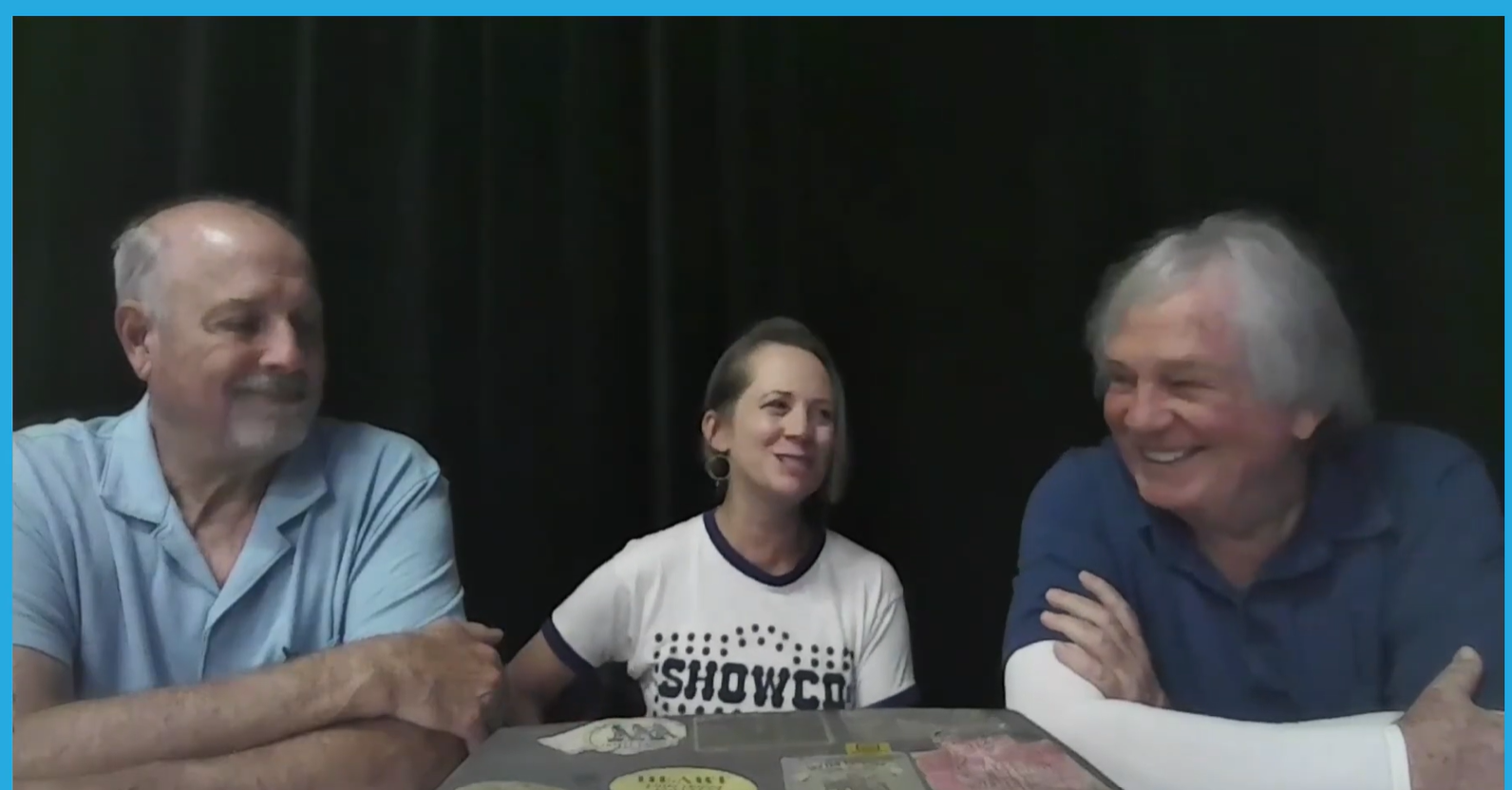
Blake Dewberry, Indigo K-May, Johnny 'JW' Roberts - SoundPro 2026
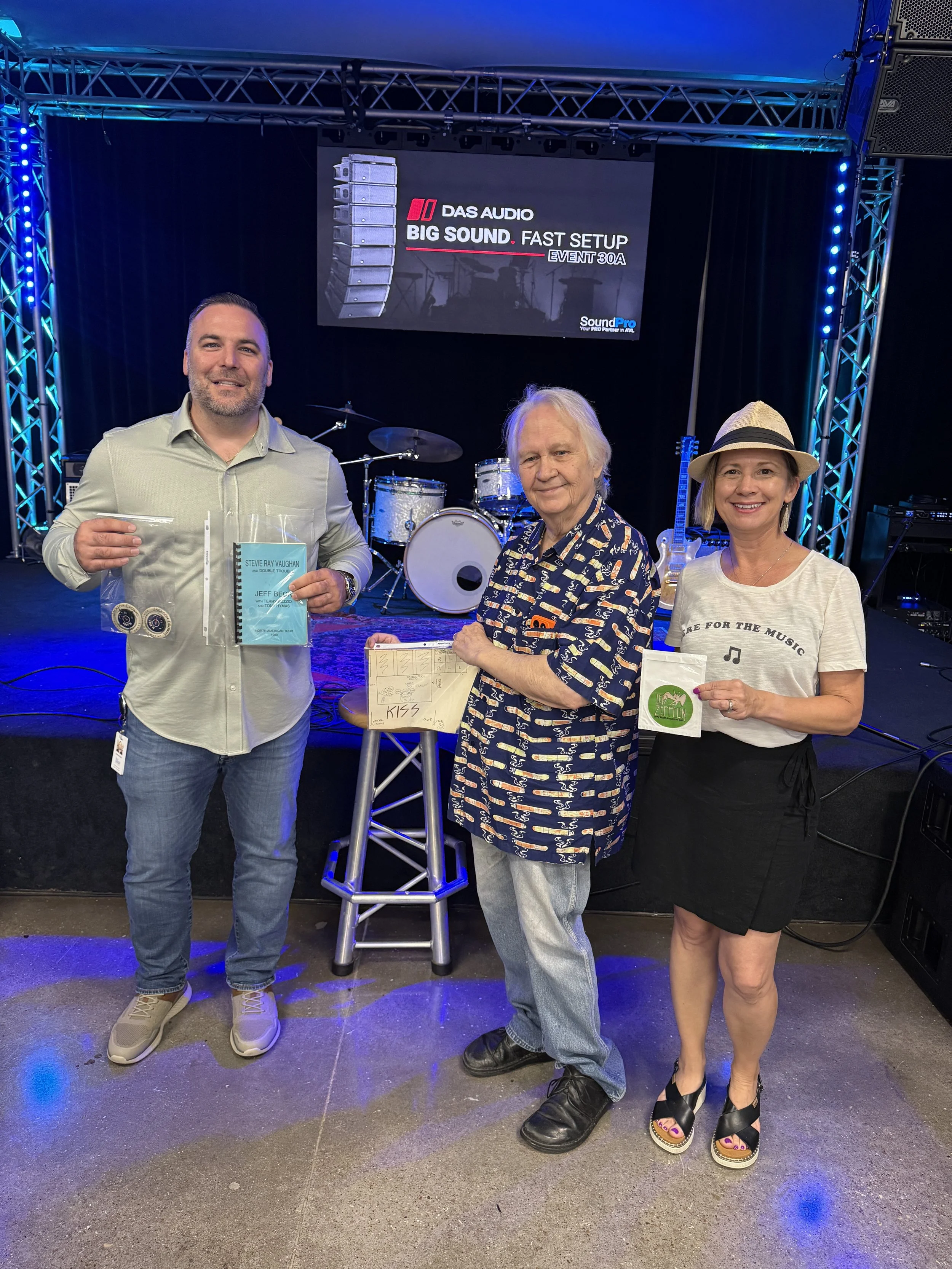
Josh Curlett, Bill 'Doc' Gans, Indigo K-May - SoundPro 2026
Texas Broadcast Museum
Giving Showco History a Place to Be Seen
The Showco network continues through the Texas Broadcast Museum in Kilgore, Texas, founded and operated by early Showco alumnus Chuck Conrad.
Chuck joined Showco part-time in late 1970 and became a full-time employee in 1971. As one of the company’s earliest electronics engineers, he helped identify and solve problems within Showco’s developing sound systems. He designed and built the original modular Showco “Yellow Mixer,” which became a company standard during its early touring years.
Today, Chuck continues preserving that history through the Texas Broadcast Museum, where several important pieces of original Showco equipment are displayed—and, when possible, operated for visitors.
Showco Equipment Preserved at the Museum
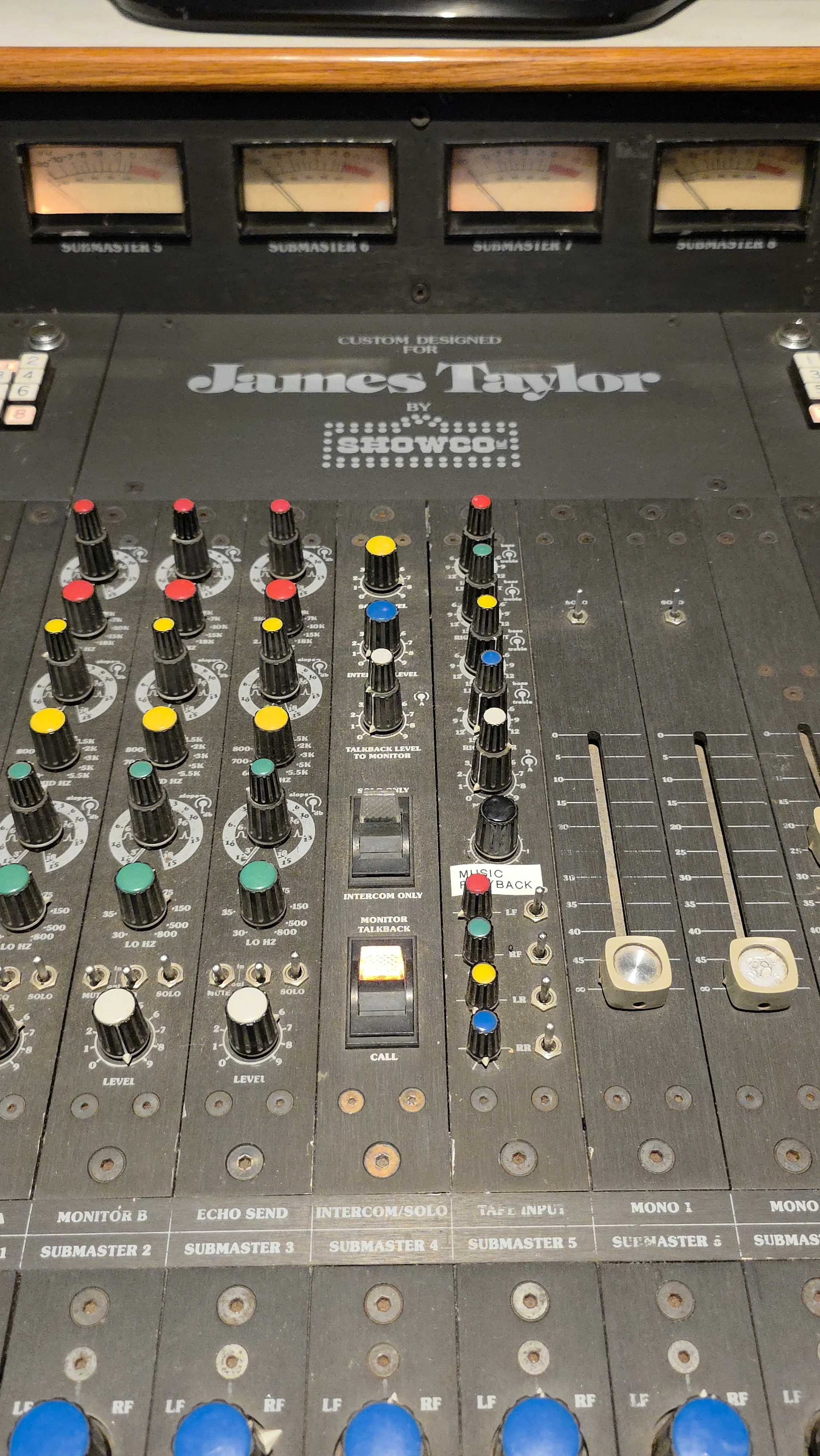
The museum’s Showco collection includes Super Board A, designed and built by Showco engineer Jim Bornhorst. The console represents an important stage in Showco’s development of its own purpose-built concert mixing equipment.
The museum also houses the surviving Showco console built by Chuck for Three Dog Night and later used by The Carpenters. Following extensive restoration, the console now passes a signal and plays excerpts from both artists as part of its museum display.
Although too much of the original console is missing for a complete working restoration, its survival offers visitors a rare physical connection to the earliest years of large-scale concert sound.
A Showco Archives Donation
More recently, Showco Archives donated a 1977 Showco Yellow Mixer to the museum for continued preservation and public display.
The mixer was originally donated to Showco Archives by a follower who recognized its historical importance. I then passed it on to Chuck—the engineer responsible for the original Yellow Mixer design—so that it could be preserved alongside the museum’s other Showco equipment.
The donation represents exactly what Showco Archives hopes to accomplish: reconnecting historic equipment with the people who built and used it, while placing it somewhere the public can experience its story.
Through Chuck and the Texas Broadcast Museum, pieces of Showco’s technical history are not simply stored away. They are being identified, restored, displayed and used to explain how the people behind the music helped build the modern concert-sound industry.
Visit the Texas Broadcast Museum
Learn more about Chuck Conrad
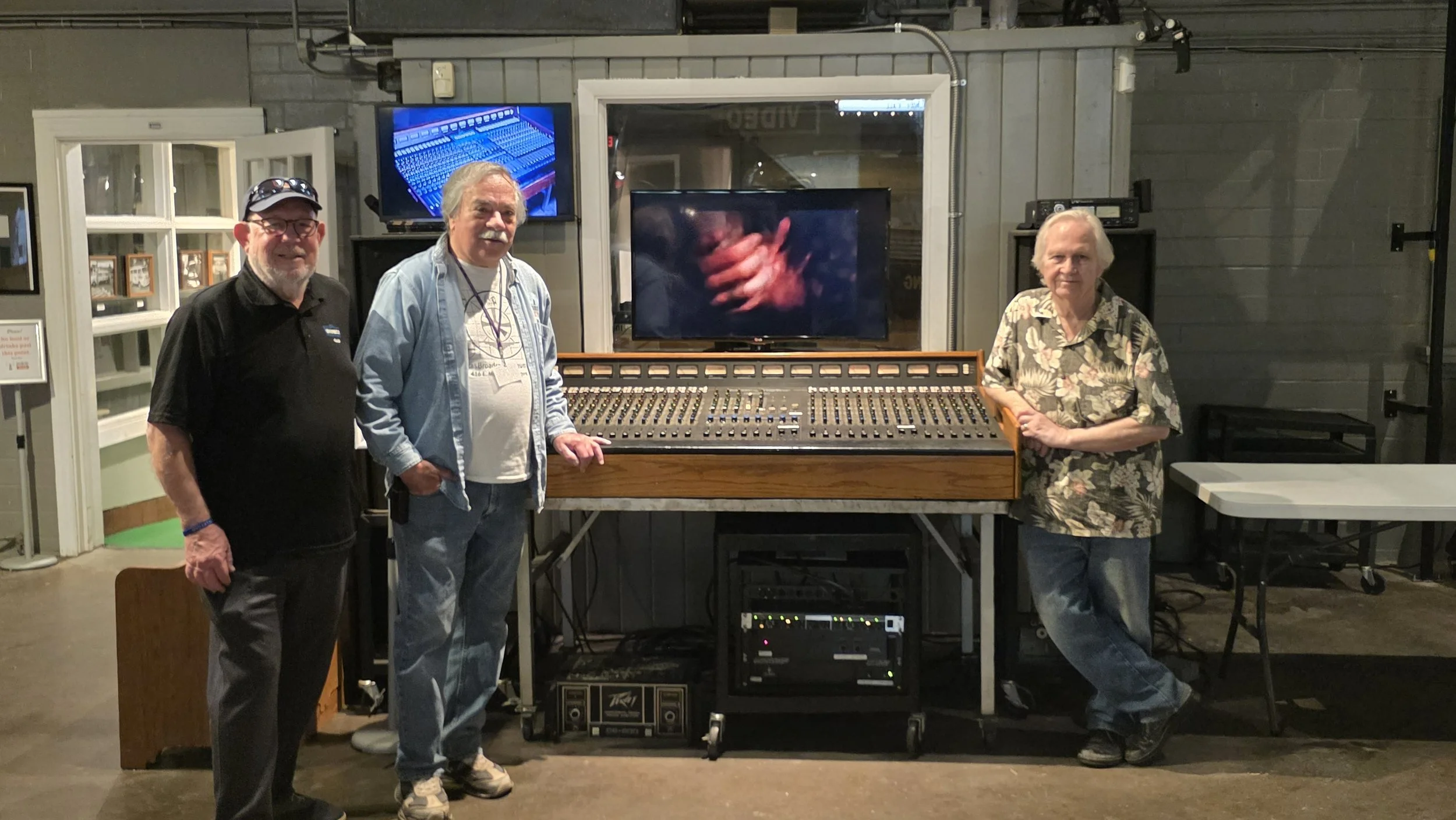
Mike Ponczek, Chuck Conrad, Doc Gans with the Showco Superboard 2026
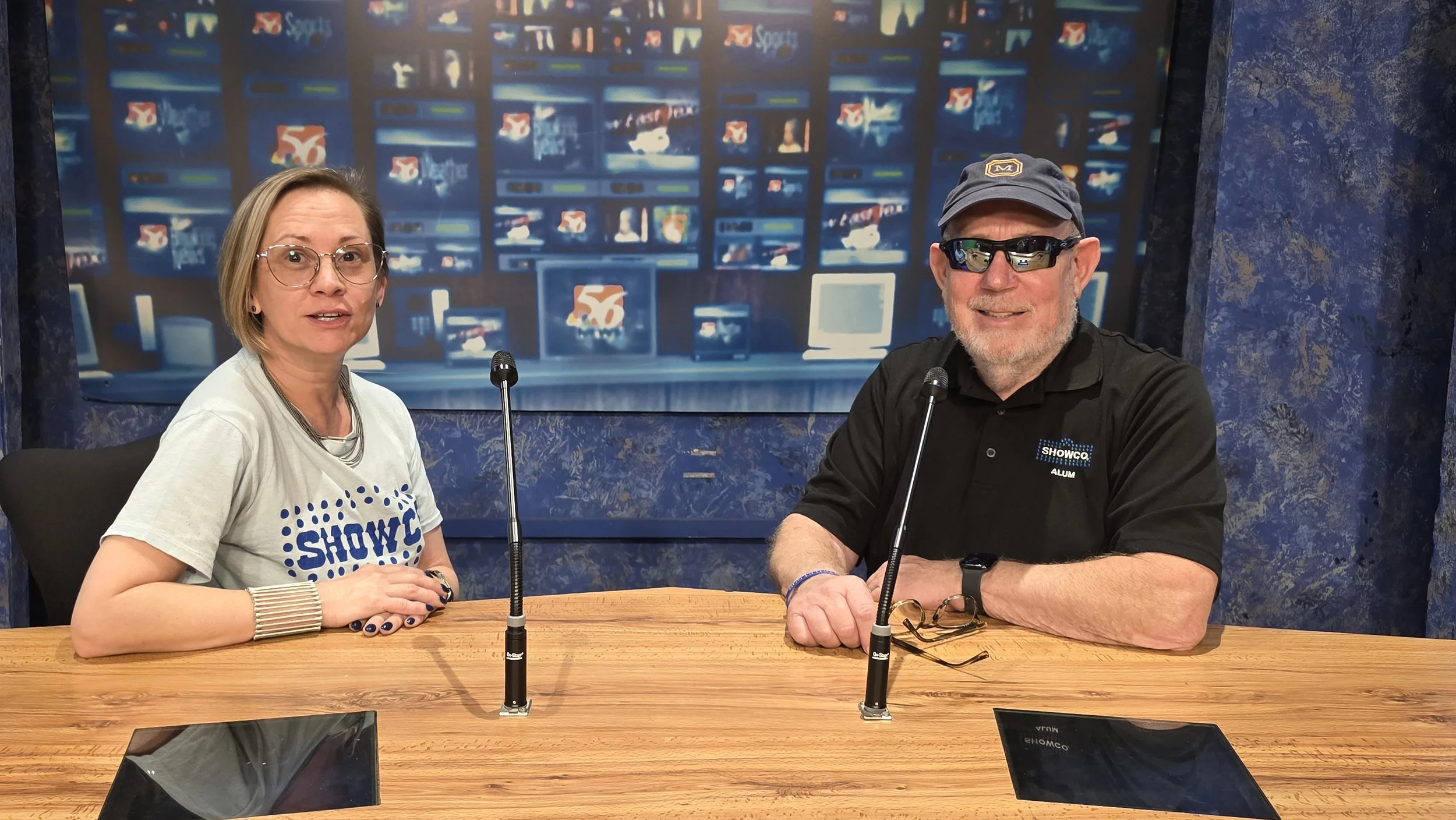
Indigo K-May, Mike Ponczek
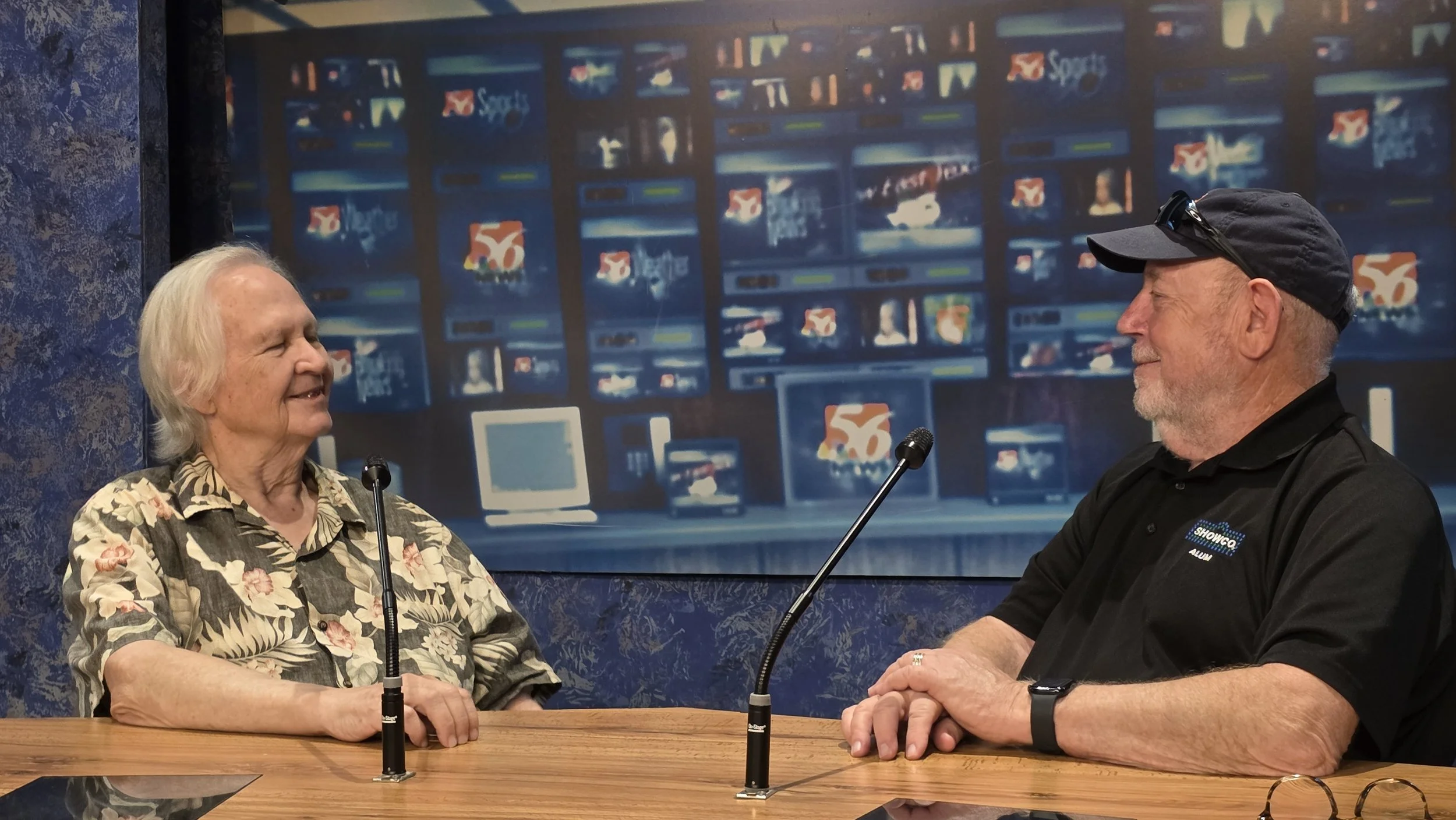
Doc Gans, Mike Ponczek
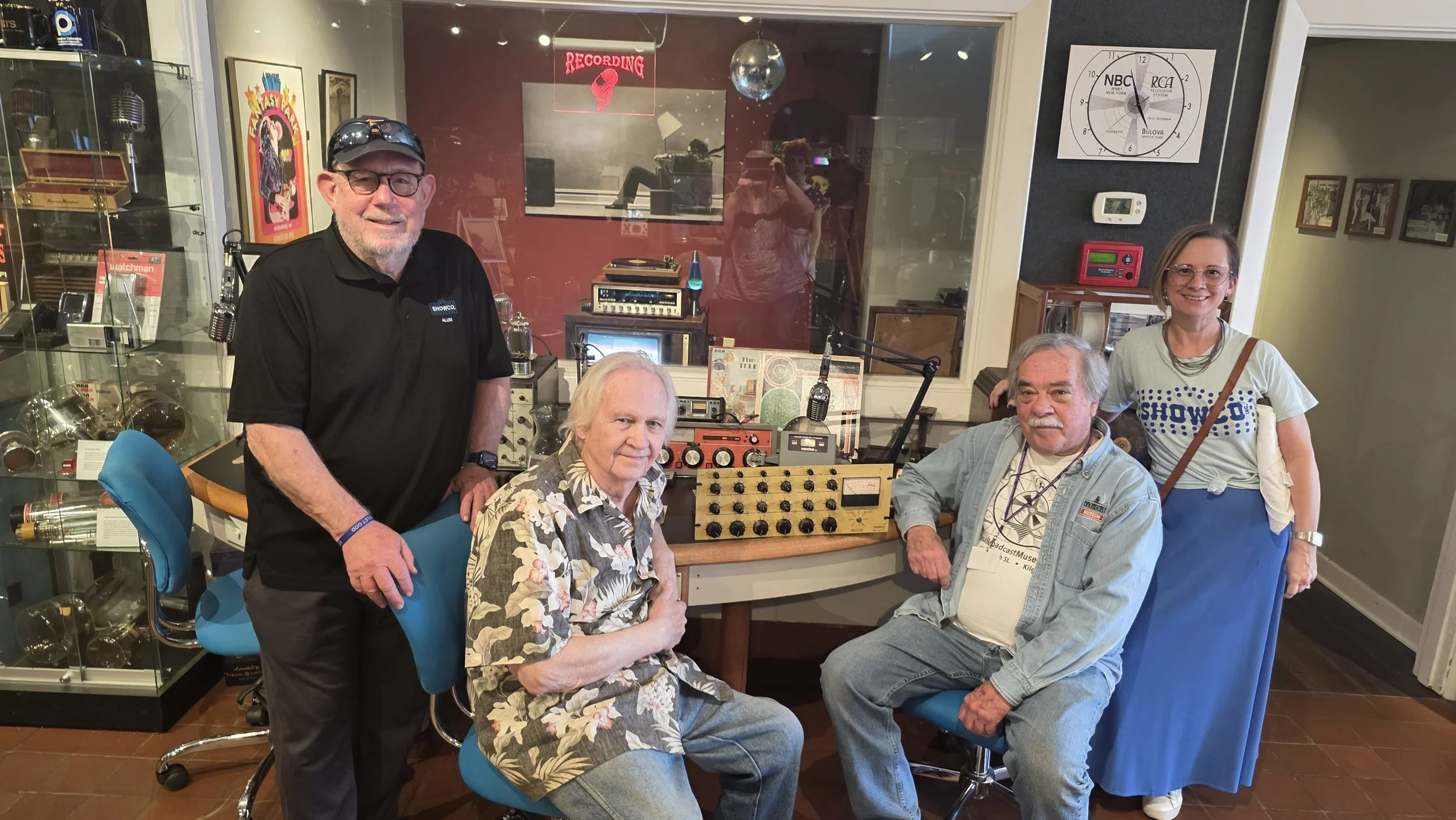
A piece of Showco history arrives in Kilgore. Showco Archives donated this original 1977 Showco Yellow Mixer to the Texas Broadcast Museum for preservation and public display. Pictured L-R: Mike Ponczek, Doc Gans, Chuck Conrad, Indigo K-May 2026
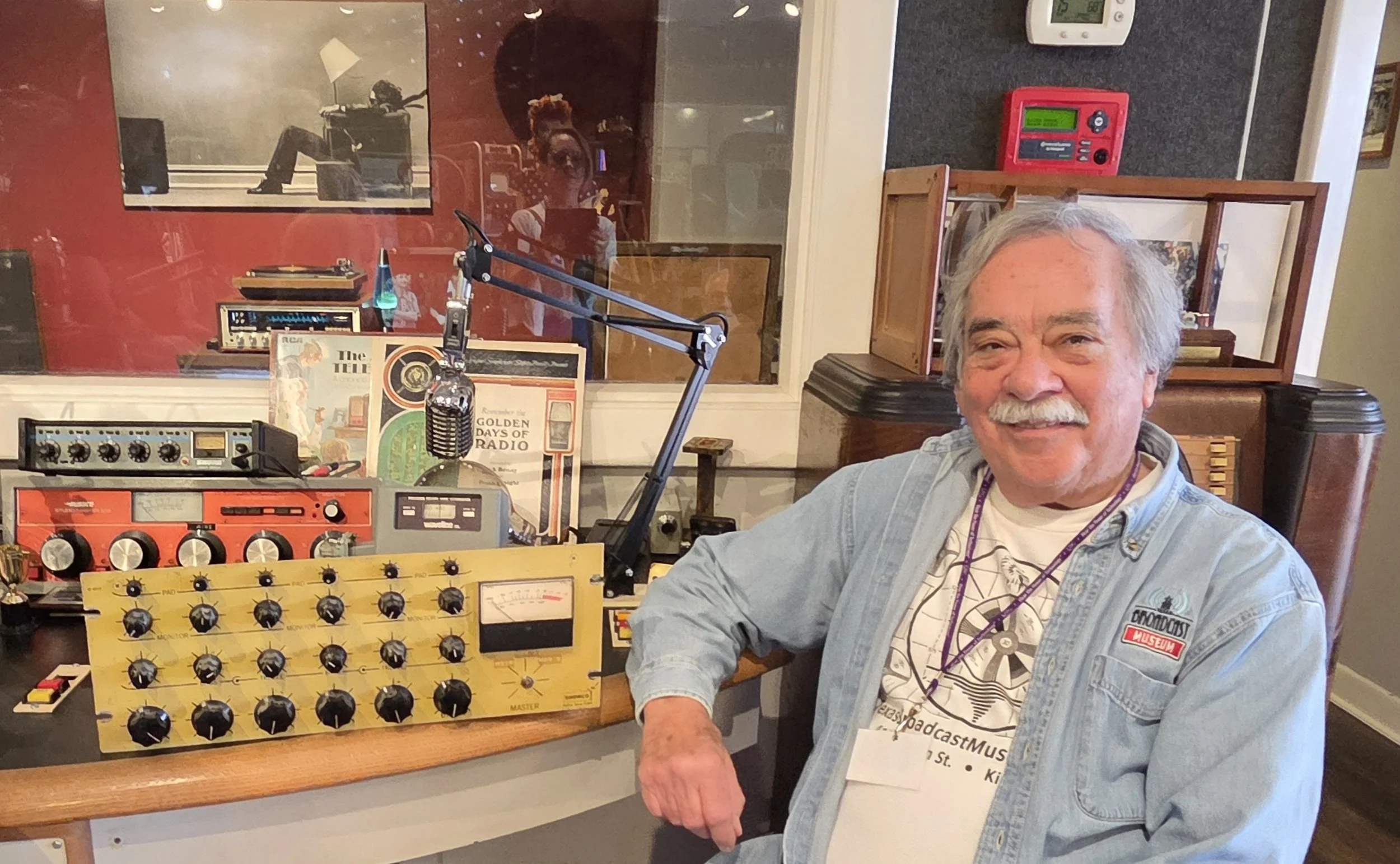
A piece of Showco history arrives in Kilgore. Showco Archives donated this original 1977 Showco Yellow Mixer to the Texas Broadcast Museum for preservation and public display. Pictured with Chuck Conrad
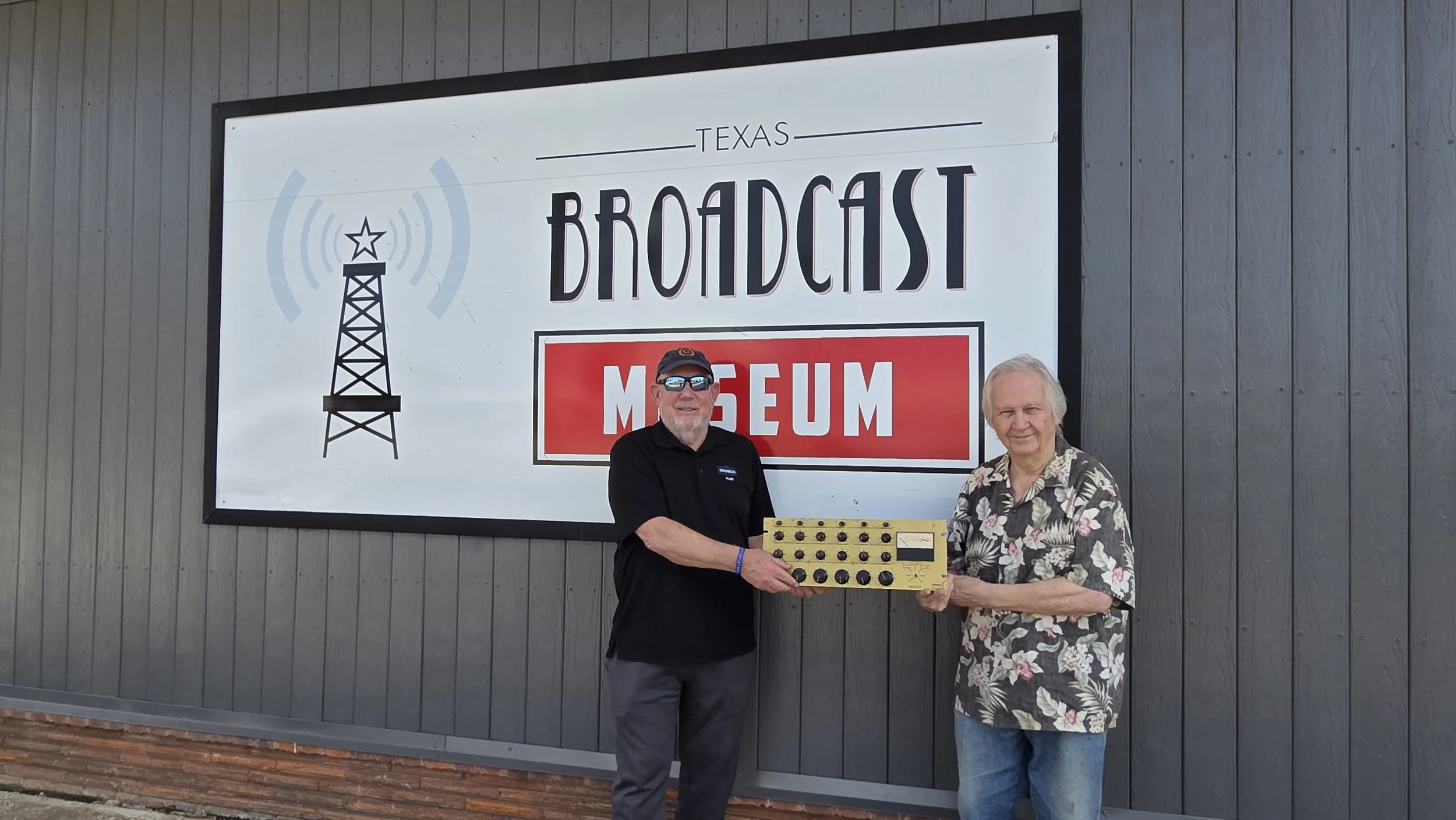
A piece of Showco history arrives in Kilgore. Showco Archives donated this original 1977 Showco Yellow Mixer to the Texas Broadcast Museum for preservation and public display. Mike Ponczek, Doc Gans
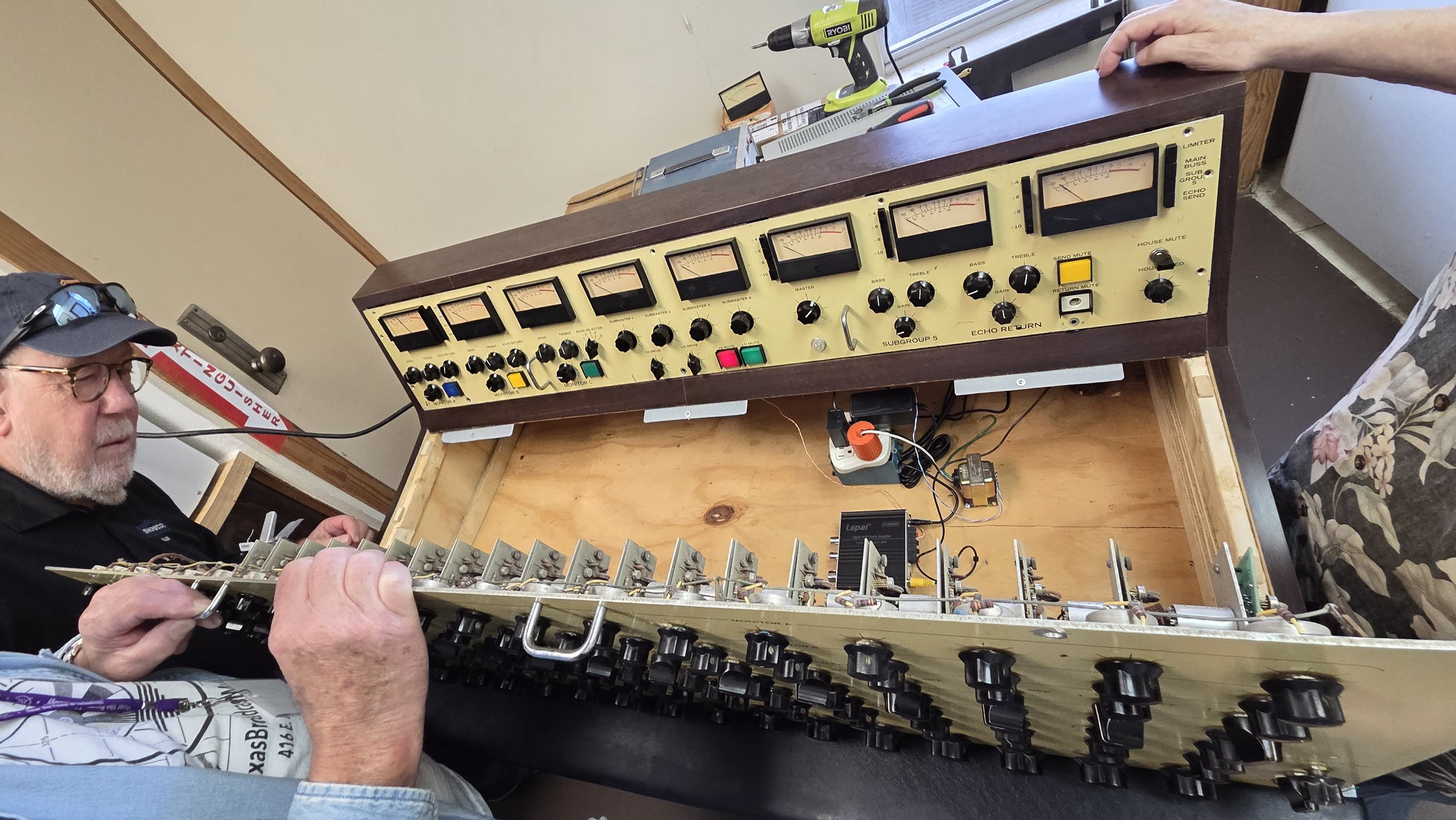
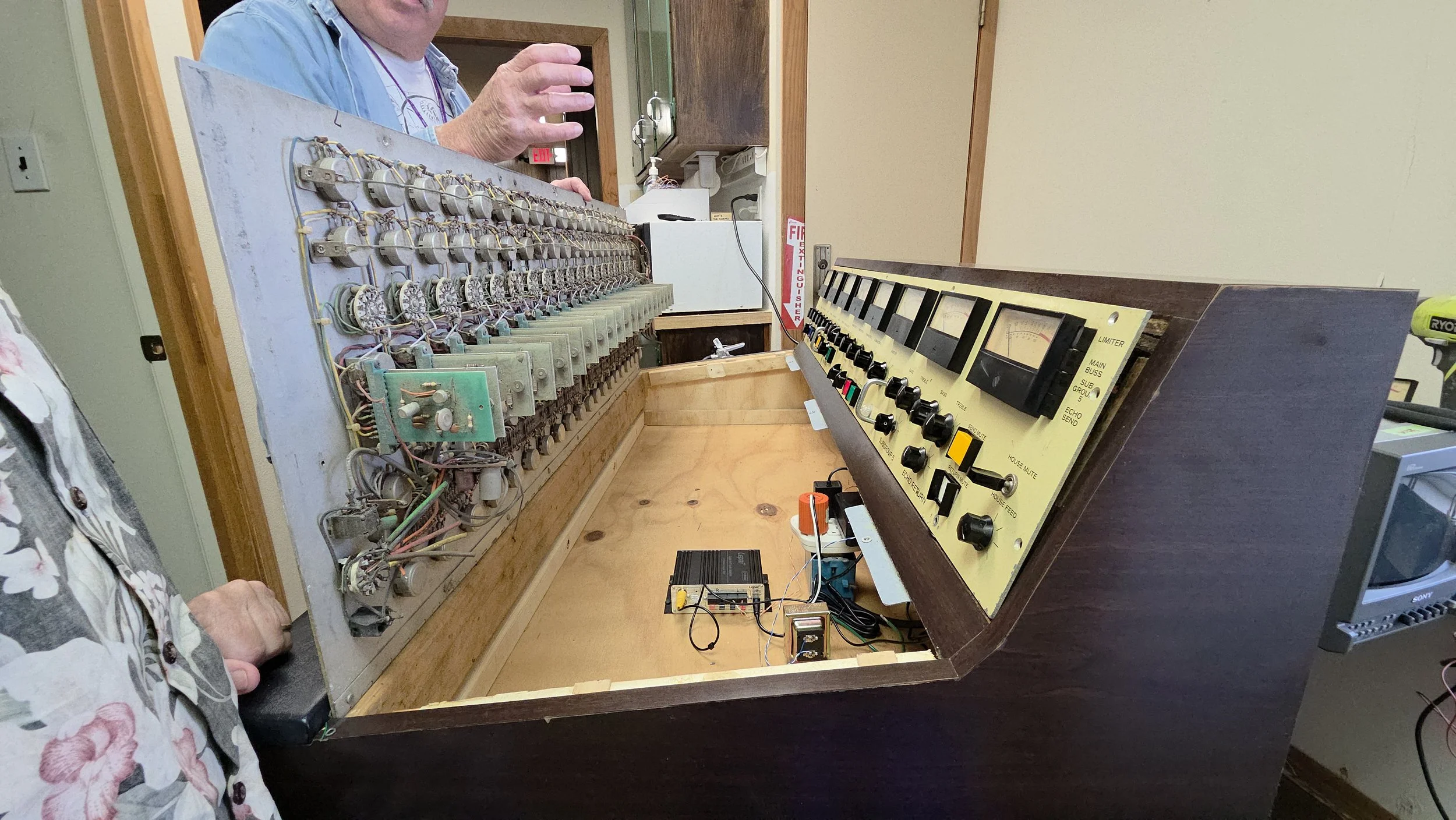
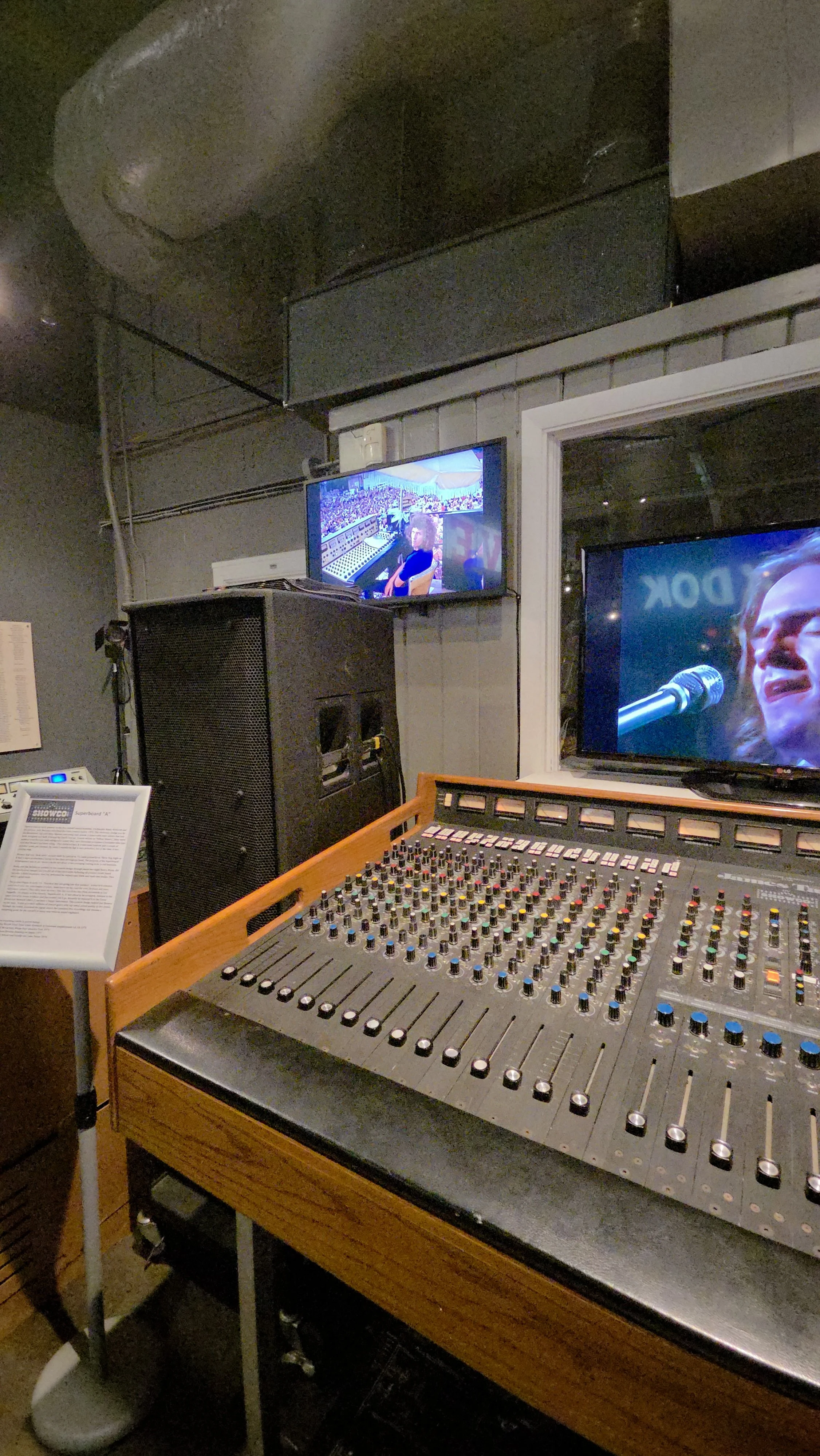
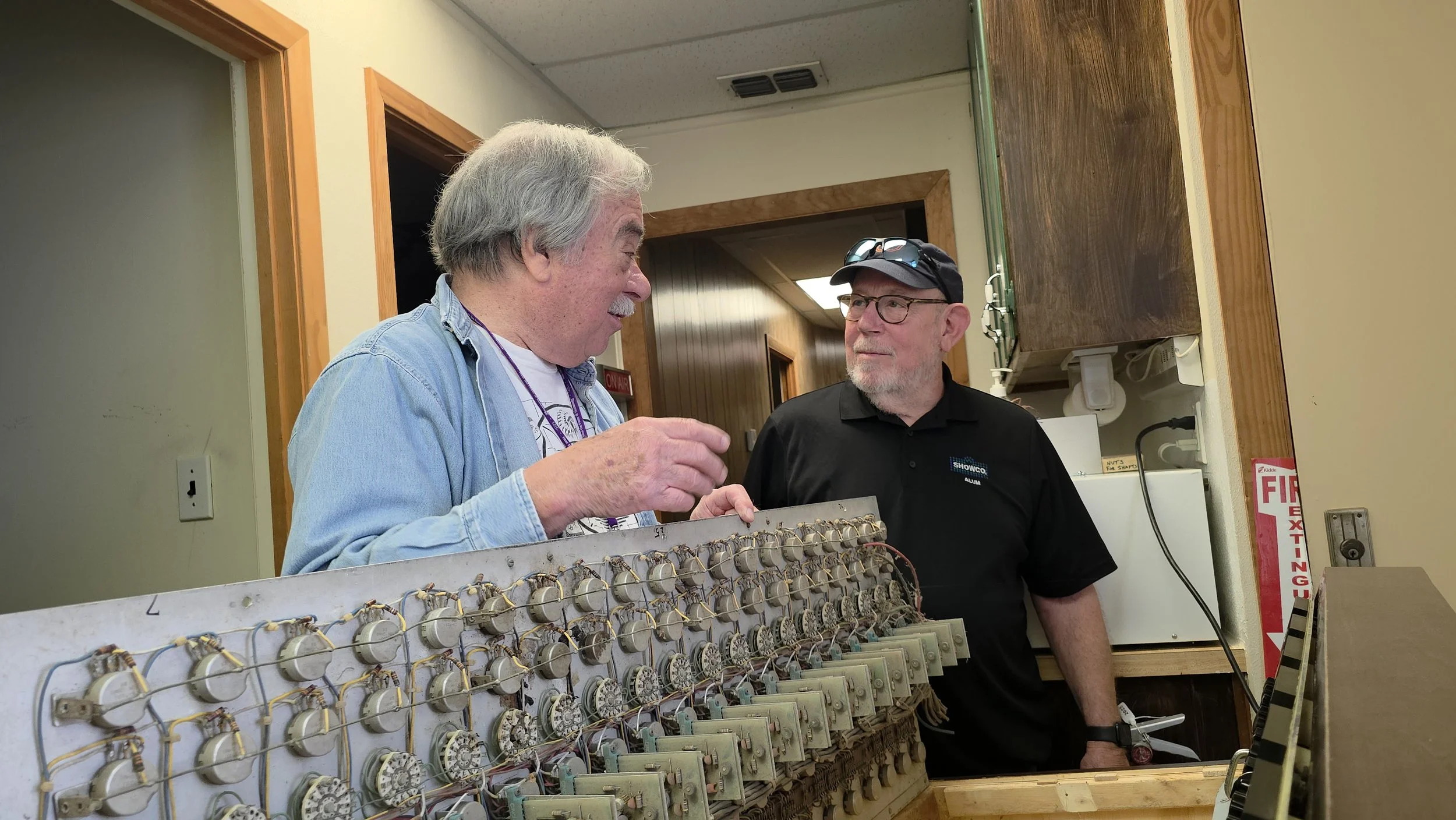
Chuck and Mike
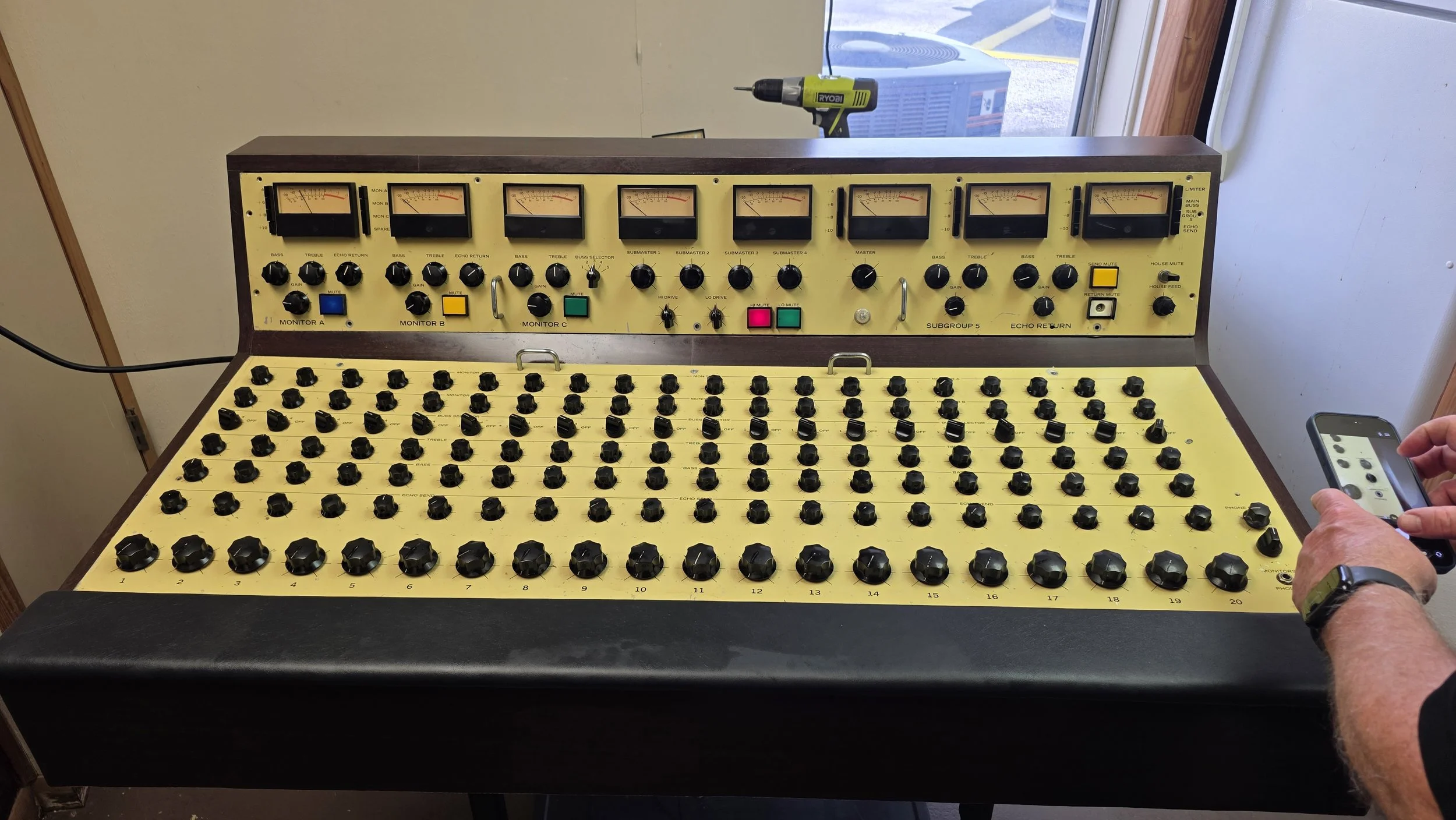
Showco console built for Three Dog Night
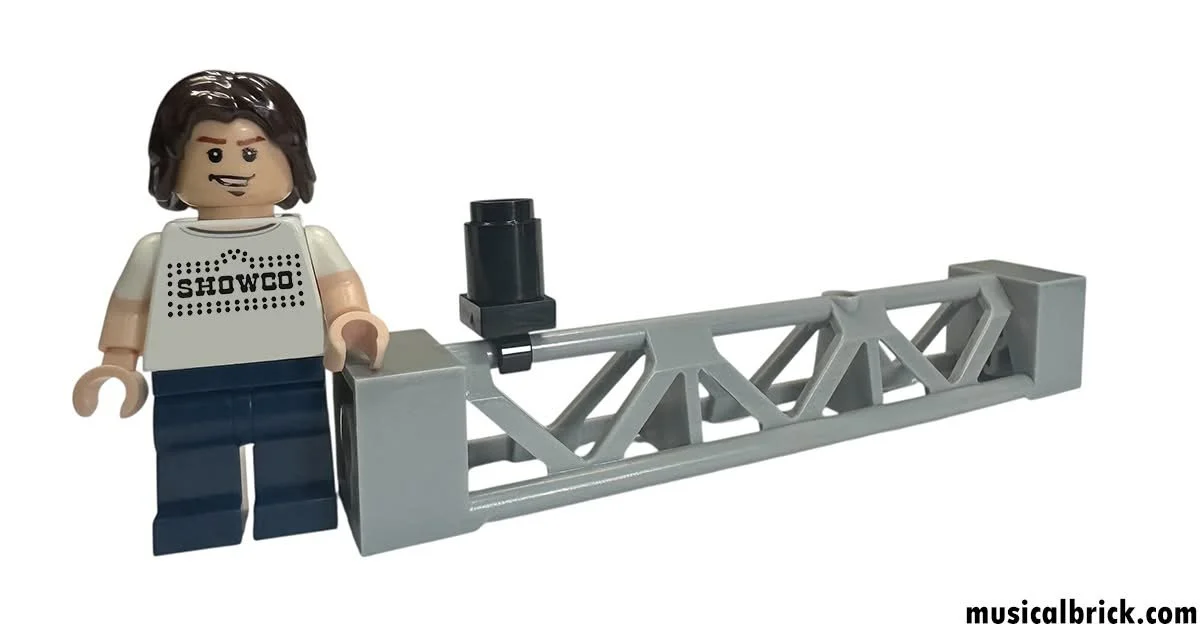
Showco Archives × Musical Brick
A New Creative Collaboration
Showco Archives and Musical Brick have begun a creative collaboration exploring a new way to interpret Showco-era touring history.
Created by Dan Kerson, Musical Brick produces detailed LEGO recreations inspired by legendary artists, concerts and stage designs. His existing work includes several Genesis-related creations, with particular attention given to the structures and hidden engineering behind the performances.
Dan has also published a dedicated feature about Showco, its influence on live concert production and the work being done by Showco Archives to preserve the company’s history and recognize the crews behind it.
A Genesis Stage Project in Development
The next step is a proposed LEGO recreation of a historic Genesis stage from the Showco era. Dan has agreed to create the model using archival stage designs and reference materials supplied by Showco Archives. Several possible designs have been shared, and the project remains in its beginning stages.
No official Showco-branded stage model has been completed or released yet. Updates and images will be added here as the project develops.
In the meantime, Showco Archives and Musical Brick feature and link to one another through their respective websites, connecting two projects built around a shared appreciation for the designers, engineers, builders and crews working behind the scenes.
Read Musical Brick’s feature about Showco
Explore Musical Brick