
The Dallas beginnings of Showco
Angus Wynne III, Jack Calmes, and a growing live-music scene
Before Showco became known for touring sound, its name belonged to a Dallas concert-promotion and talent-booking business built by Angus Wynne III and Jack Calmes.
Both had experience organizing music events while in college. Their partnership grew through parties and concert promotions, bringing performers and audiences together in a city becoming an important stop for live music. They established a booking and promotion office in the Quadrangle, and Wynne is credited with naming the venture Showco.
Soul City and the musicians around Showco
In 1967, Wynne and Calmes opened Soul City on Greenville Avenue. The club brought national rhythm-and-blues performers into an intimate Dallas setting and provided a meeting place for the musicians and working relationships surrounding Showco.
Calmes played guitar in the Soul Society, the club’s house band. Rusty Brutsche played bass, and David Alley sang and played trumpet. In Jim Bornhorst’s later account, Brutsche also built the club’s sound system. These connections help explain how musicians and technical people already knew one another before Showco’s touring sound business took shape.
Wynne and Calmes sold their interest in Soul City in 1968. Their promotion work continued toward a much larger undertaking.
The Texas International Pop Festival
Over Labor Day weekend in 1969, Wynne, Calmes, and Atlanta promoter Alex Cooley brought the Texas International Pop Festival to Lewisville. The gathering put North Texas within the emerging festival movement and brought together artists including Led Zeppelin, Janis Joplin, and B.B. King. A July 24, 1969 letter concerning Interpop Superfest, Inc., addressed to Cooley care of Showco at 225 The Quadrangle, 2800 Routh Street, Dallas, places his festival organization at Showco’s office during planning.
Its importance to Showco’s history lies in both the opportunity and the difficulty it revealed. Large audiences wanted live music on a new scale. Producing those events required dependable sound, extensive organization, and financial resources that could be put at considerable risk.
Bill Hanley supplied the festival sound system. In Bornhorst’s recollection, seeing that equipment at work helped convince the future Showco sound-company team that touring systems could be made more practical and reliable.
The festival lost money, bringing the original promoting venture to a turning point. Wynne and Calmes subsequently pursued different business paths.
A new direction in 1970
Calmes carried the Showco name into a new sound-focused venture with Rusty Brutsche and Jack Maxson in 1970. David Alley also became an important early principal.
The promotion years supplied relationships, musical experience, and lessons about producing live events. The next chapter would focus on building the equipment and organization that could travel with the performers.
Related pages: Meet Angus Wynne III · Meet Jack Calmes · Continue to 1970–1974
Sources: Jim Bornhorst’s 2018 presentation; Angus Wynne’s In the Studio interview introduction. See also the Dallas Morning News profile and original archive material below.
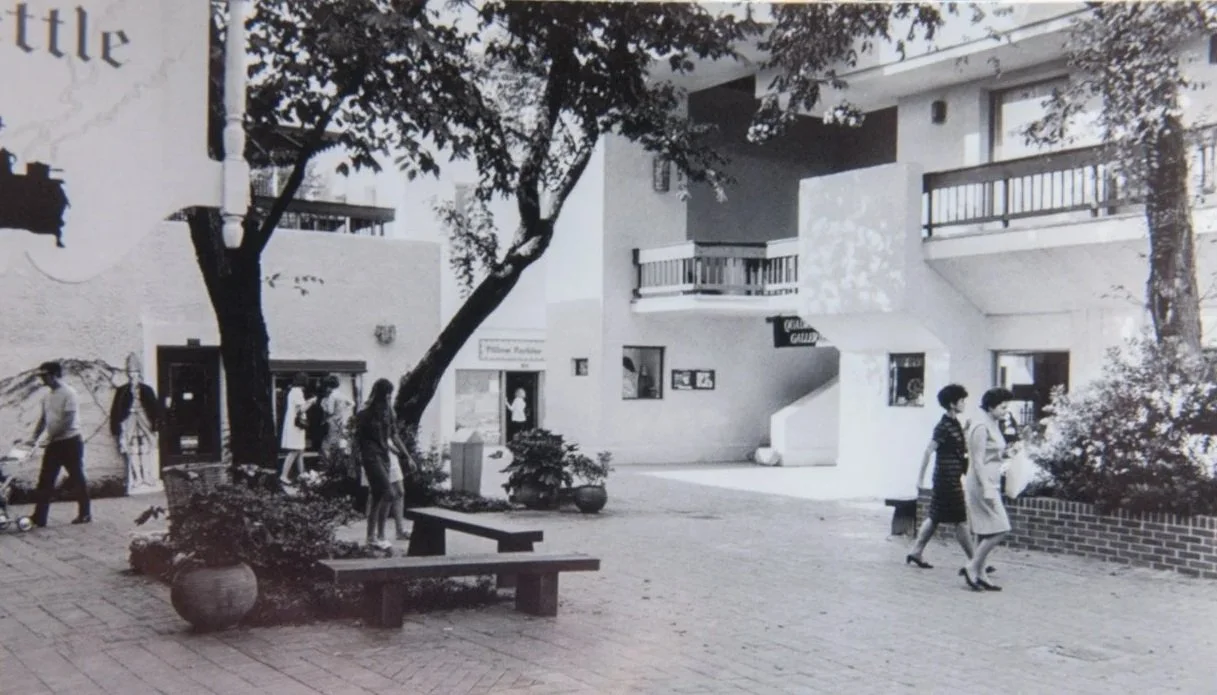
THE QUADRANGLE-SHOWCO OFFICE
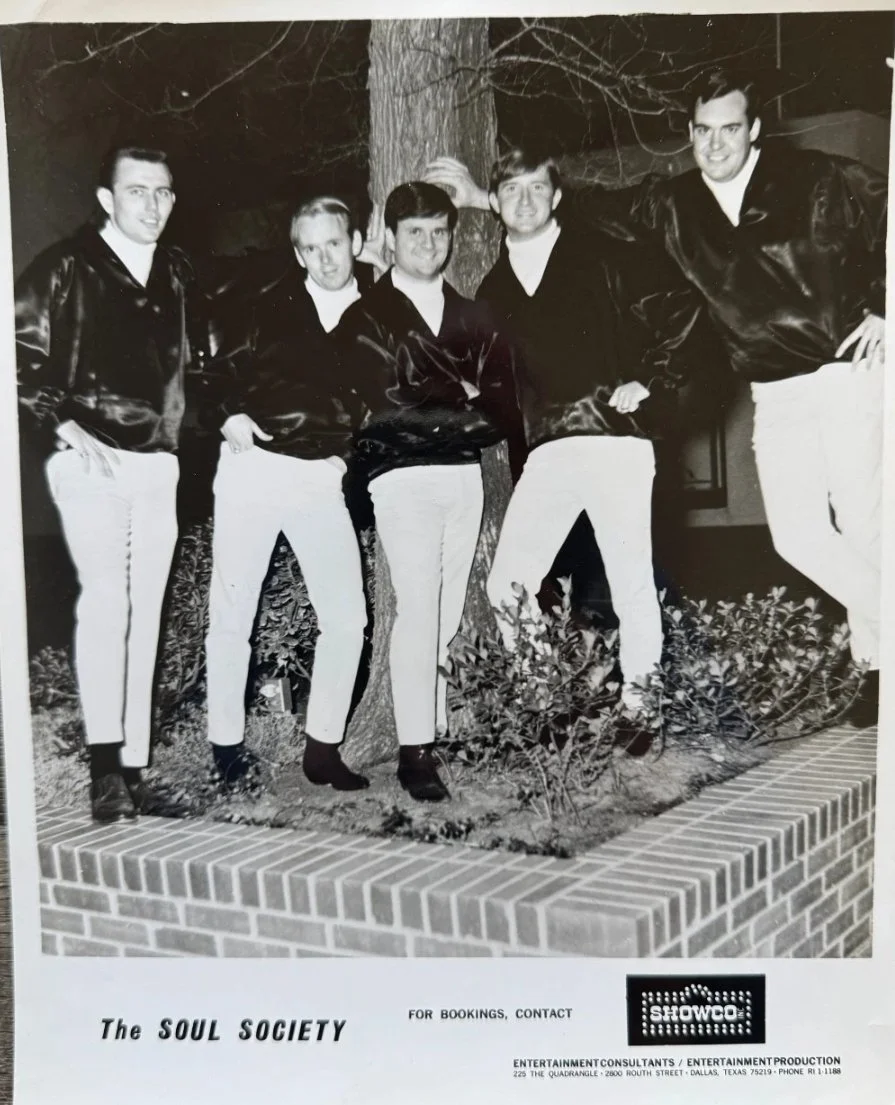
The Soul Society Promo Photo - Showco
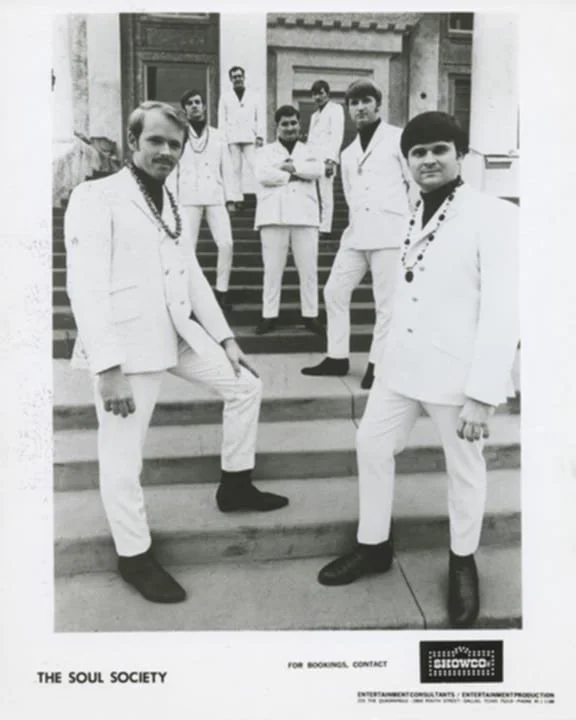
THE SOUL SOCIETY-SHOWCO PRODUCTIONS-BRUTSCHE-CALMES-ALLEY-WYNNE
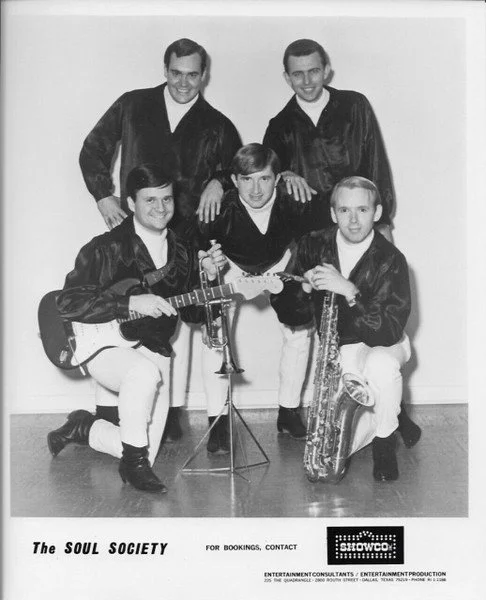
THE SOUL SOCIETY-CALMES-BRUTSCHE-PROMO PHOTO
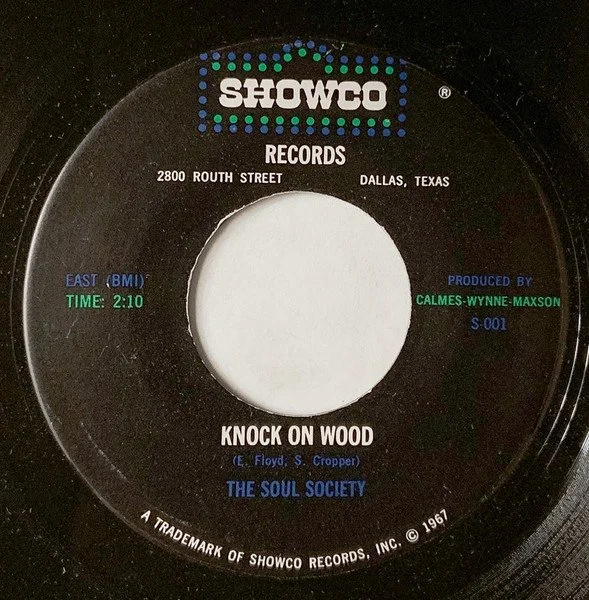
SHOWCO RECORDS-1967-THE SOUL SOCIETY-SIDE 1-KNOCK ON WOOD-CALMES-WYNNE-MAXSON

SHOWCO RECORDS-1967-THE SOUL SOCIETY-SIDE 1-GET OUT OF MY LIFE WOMAN-CALMES-WYNNE-MAXSON
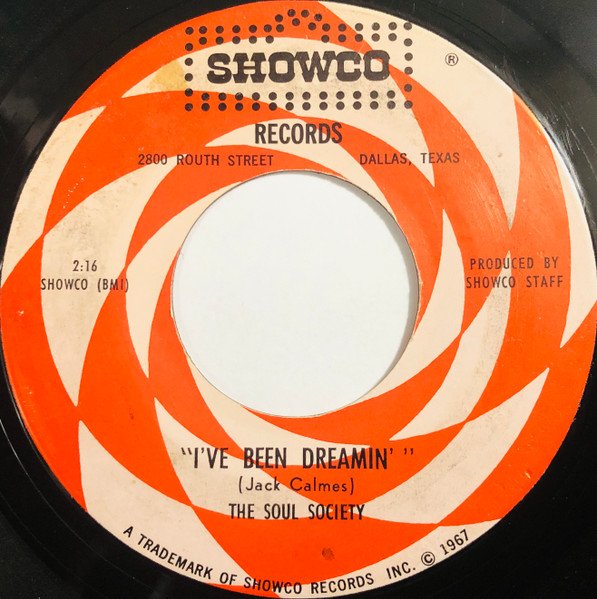
SHOWCO RECORDS-1967-THE SOUL SOCIETY-SIDE 1-I'VE BEEN DREAMIN'-JACK CALMES-SHOWCO STAFF
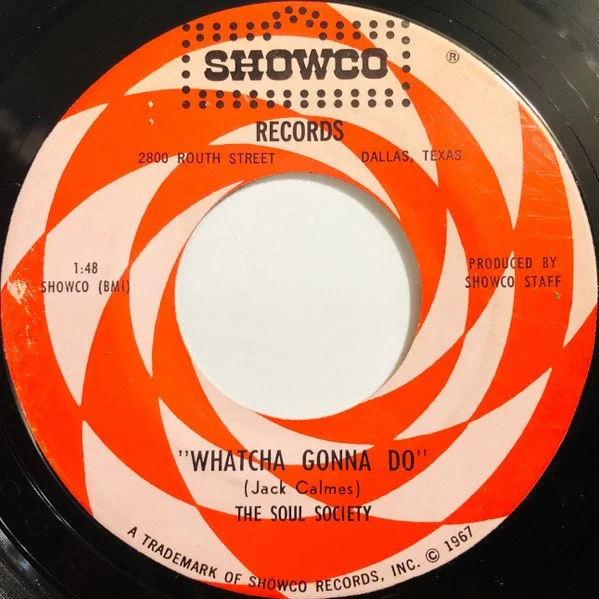
SHOWCO RECORDS-1967-THE SOUL SOCIETY-SIDE 1-WHATCHA GONNA DO-JACK CALMES-SHOWCO STAFF
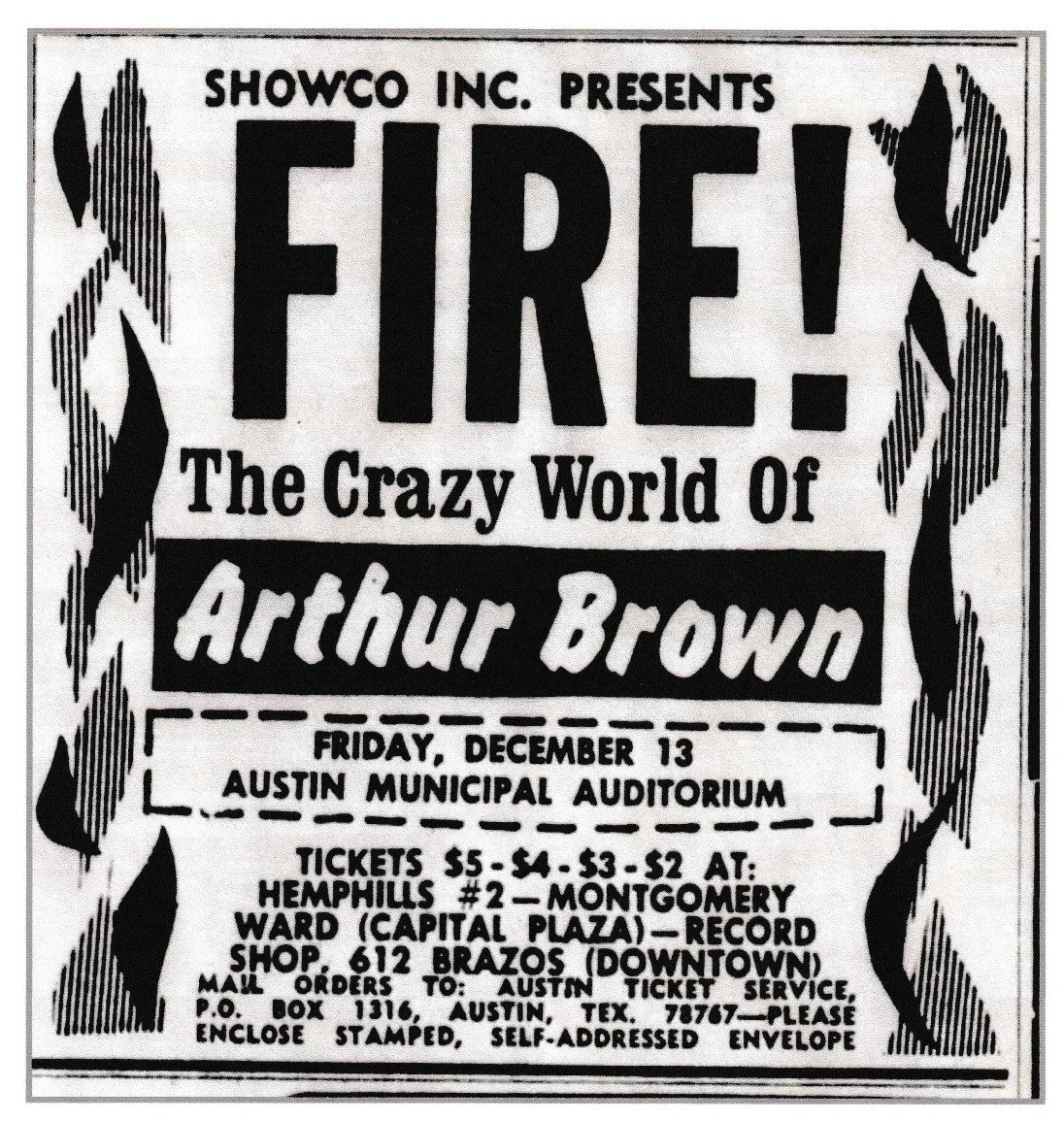
SHOWCO INC. FLYER-ARTHUR BROWN
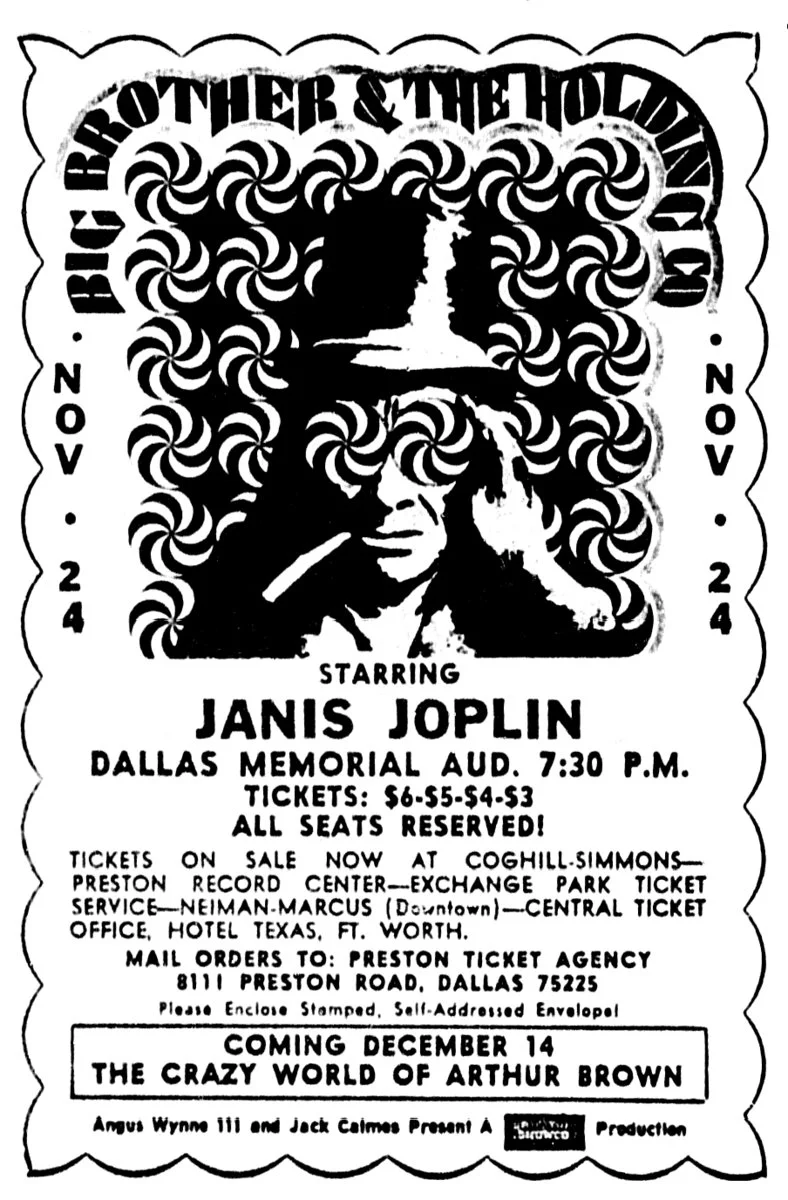
SHOWCO PRODUCTION-JANIS-JOPLIN FLYER-DALLAS MEMORIAL AUDITORIUM
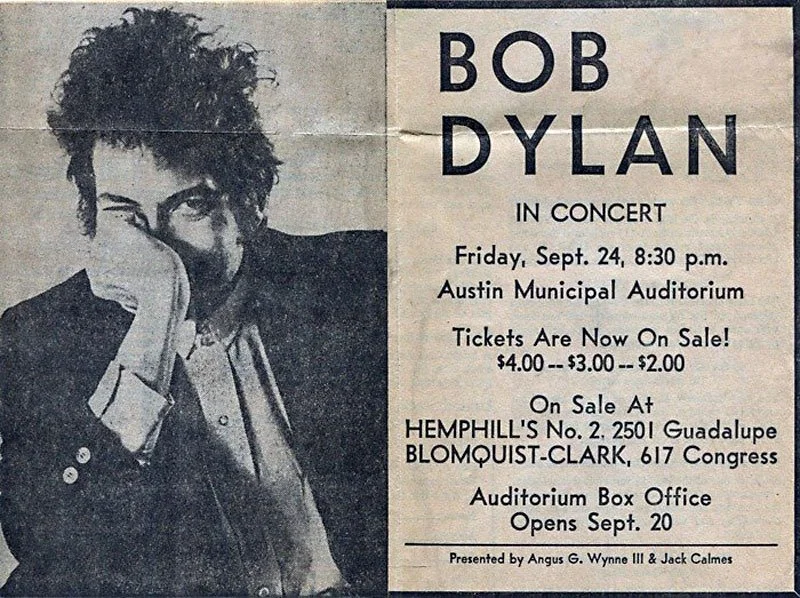
Bob Dylan Advert Sept. 24
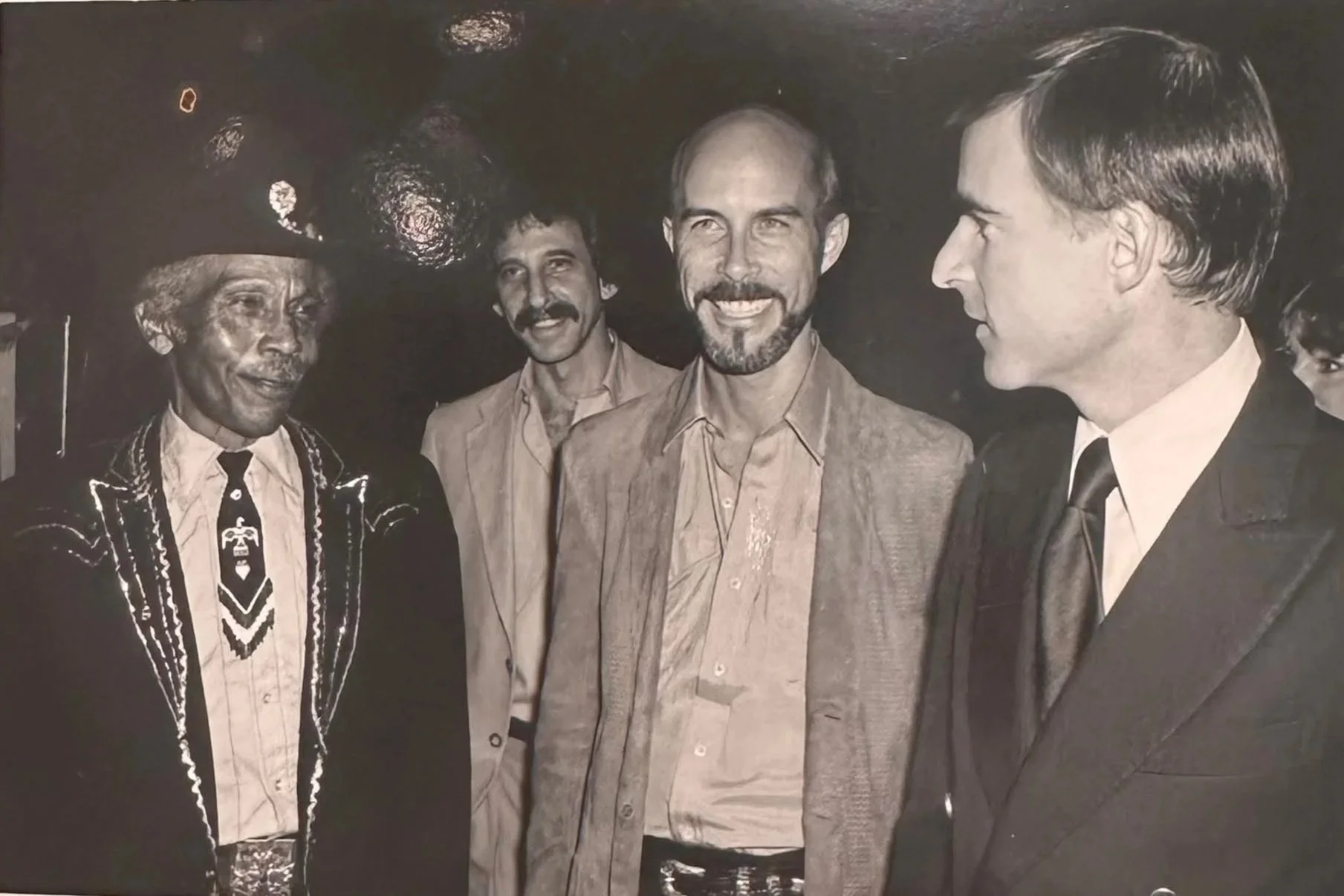
Black and white photo of four men including Angus Wynne III (3rd from left) dressed in suits and ties, at an indoor event.
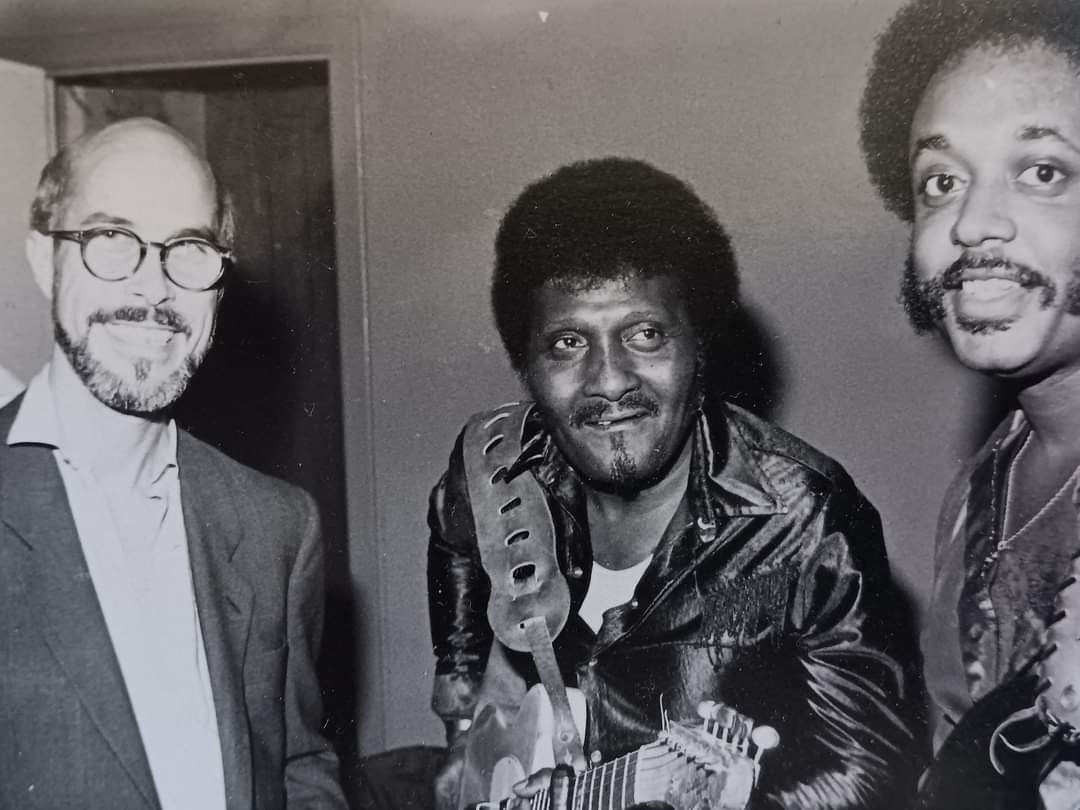
Black and white photo of three men, one holding an acoustic guitar. The man on the left is Angus Wynne III.
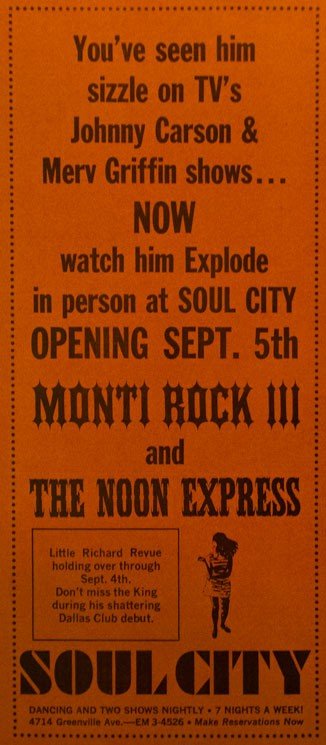
Soul City Ad
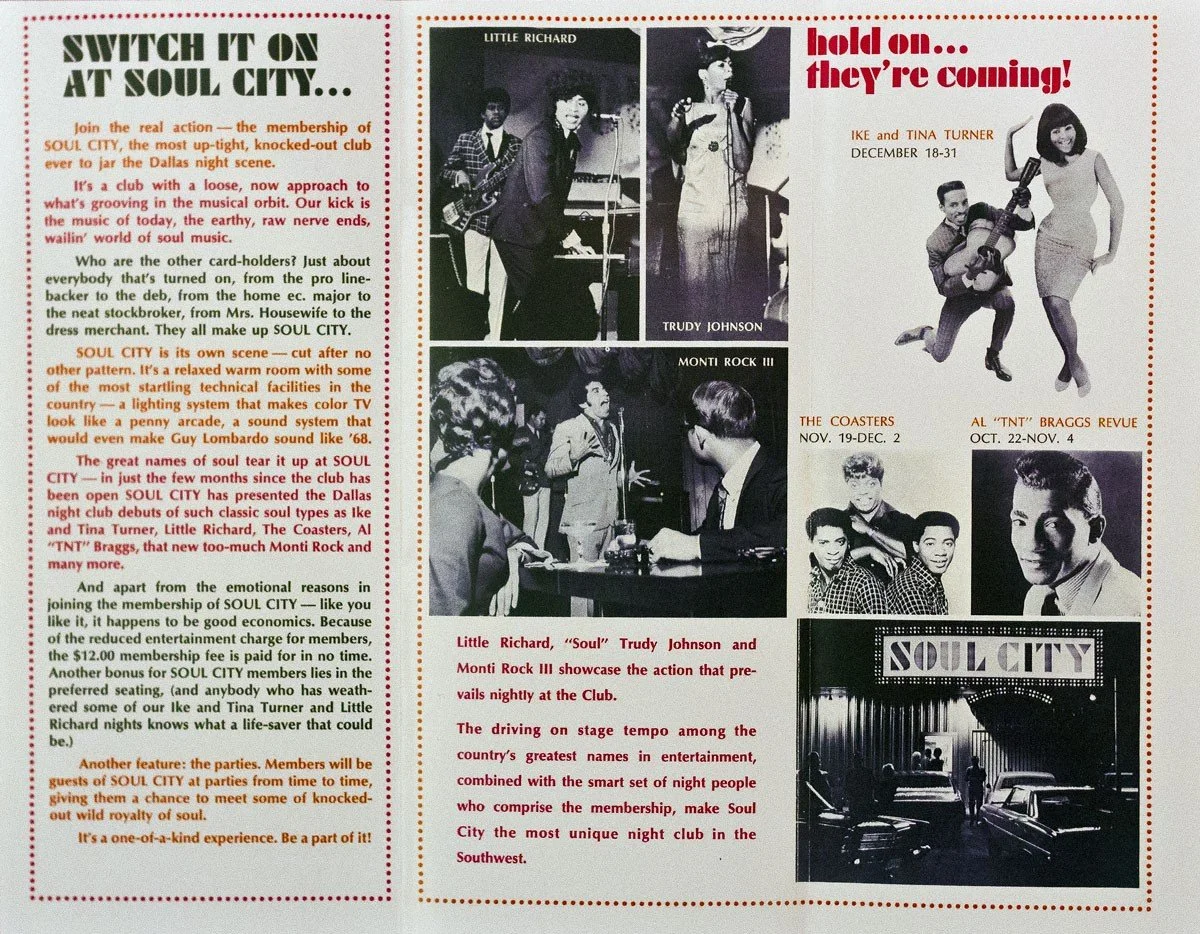
Soul City Flyer
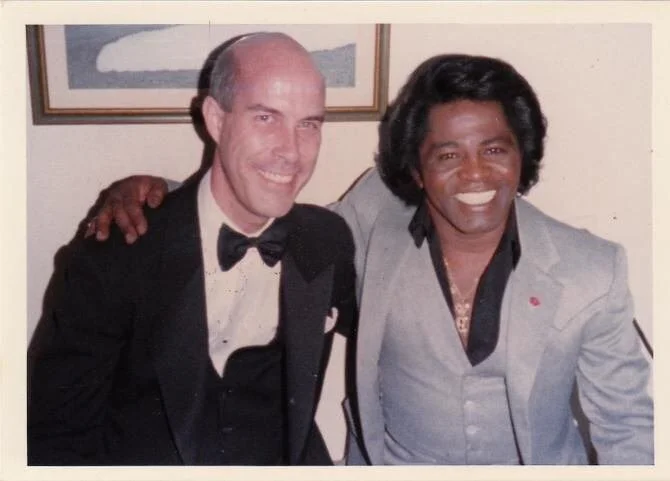
Angus Wynne III, James Brown
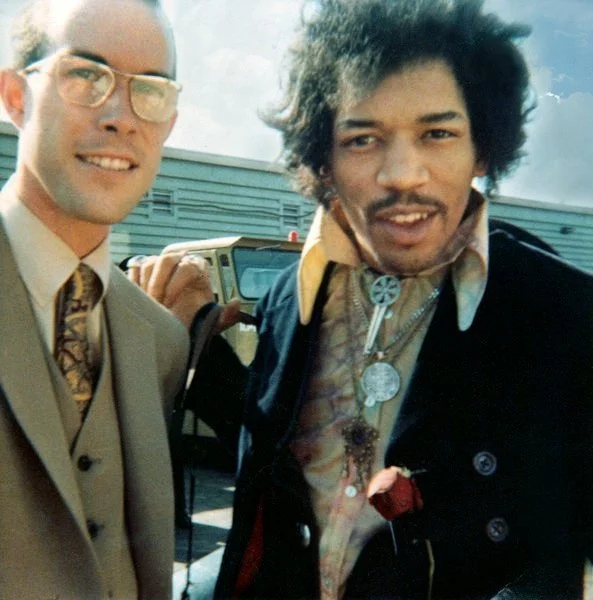
Angus Wynne III, Jimi Hendrix @ Love Field Airport
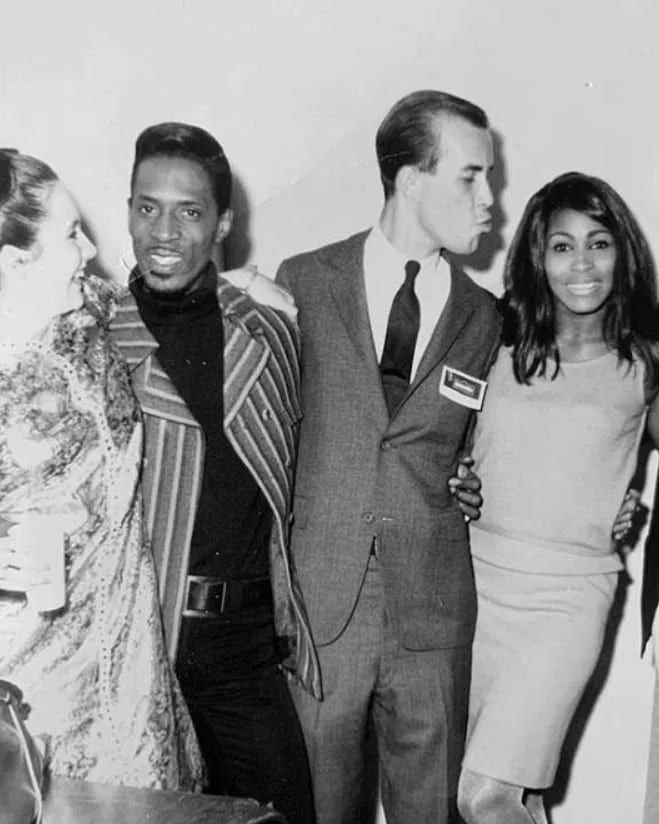
Ike & Tina Turner, Angus Wynne III - Showco
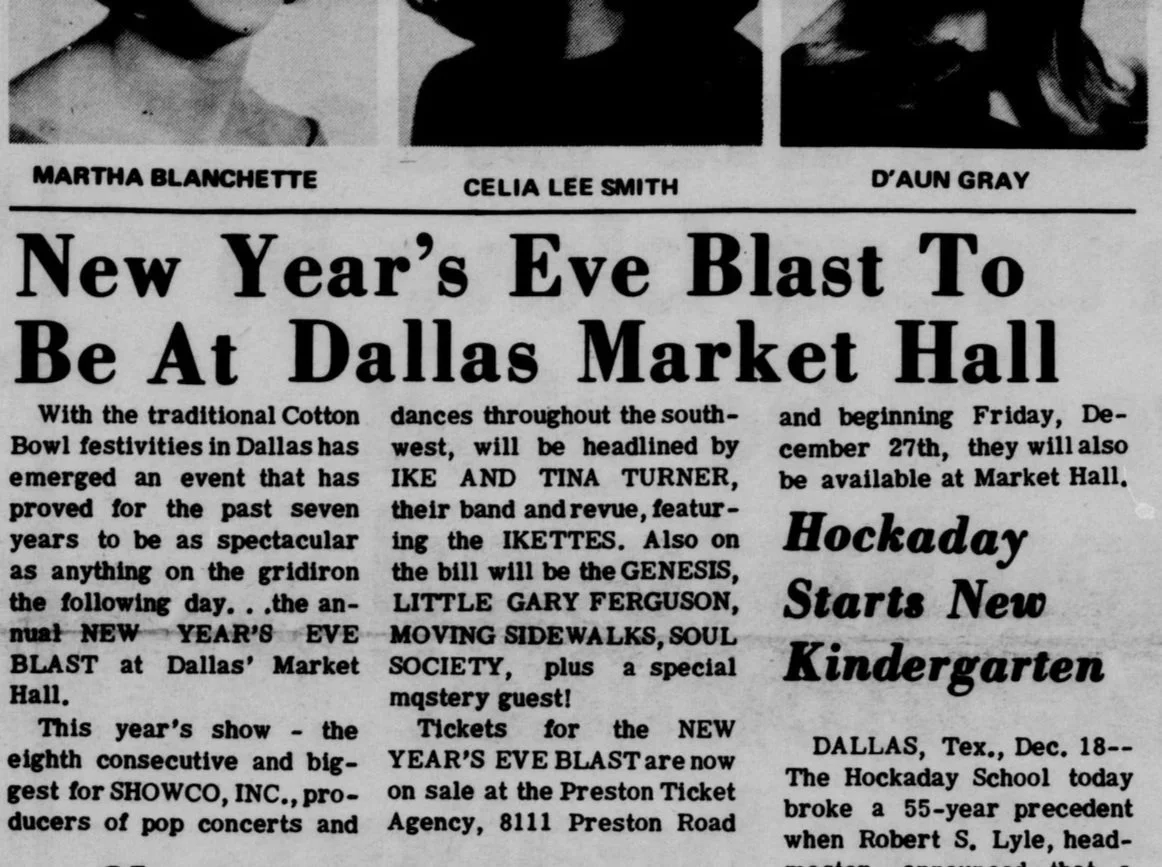
Dec-27-1968-Dallas-Park-Cities-News-p-1
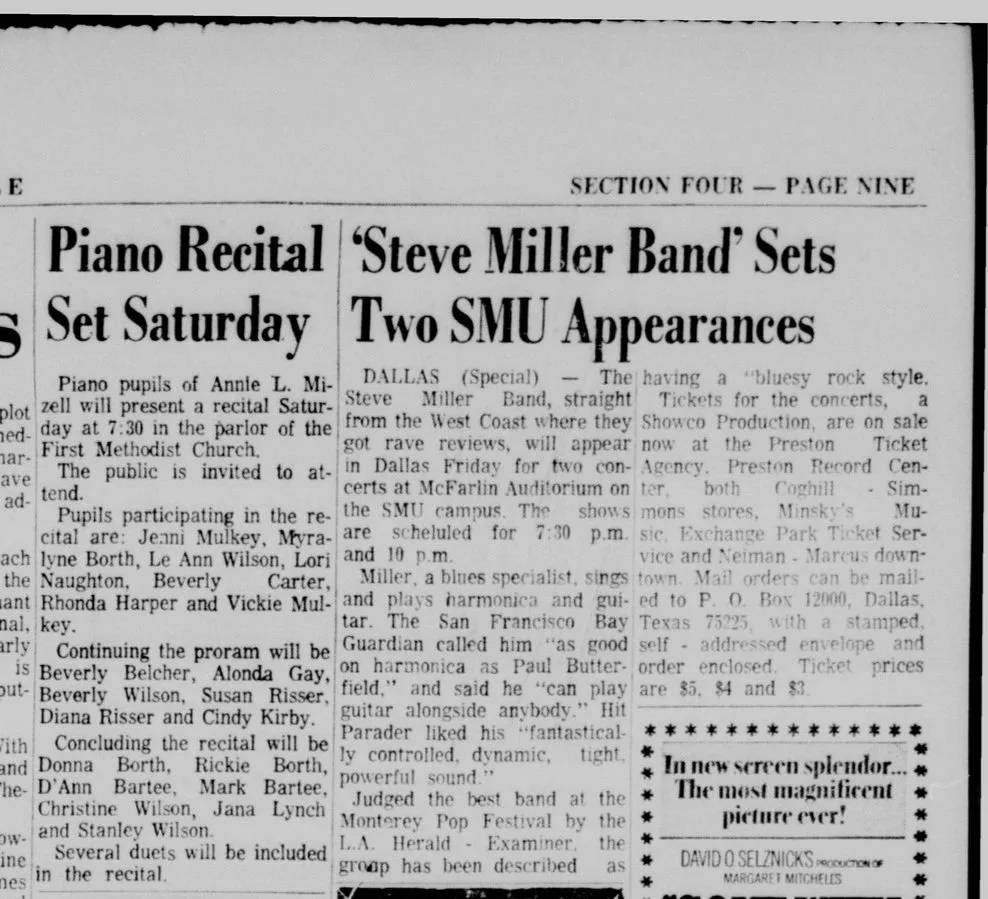
May-11-1969-Denton-Record-Chronicle-p-35-SMU
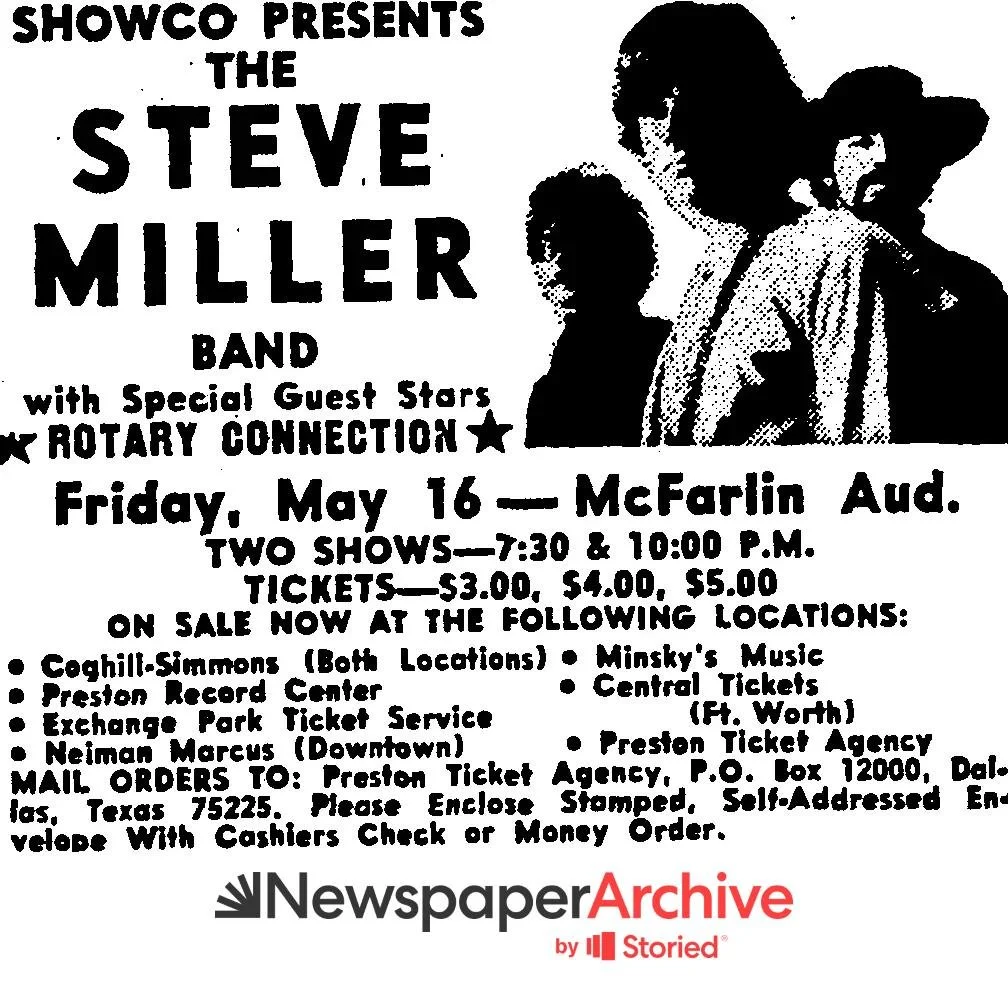
April,29-1969-Dallas-Smu-Campus-p-5-STEVE-MILLER-SHOWCO PRESENTS
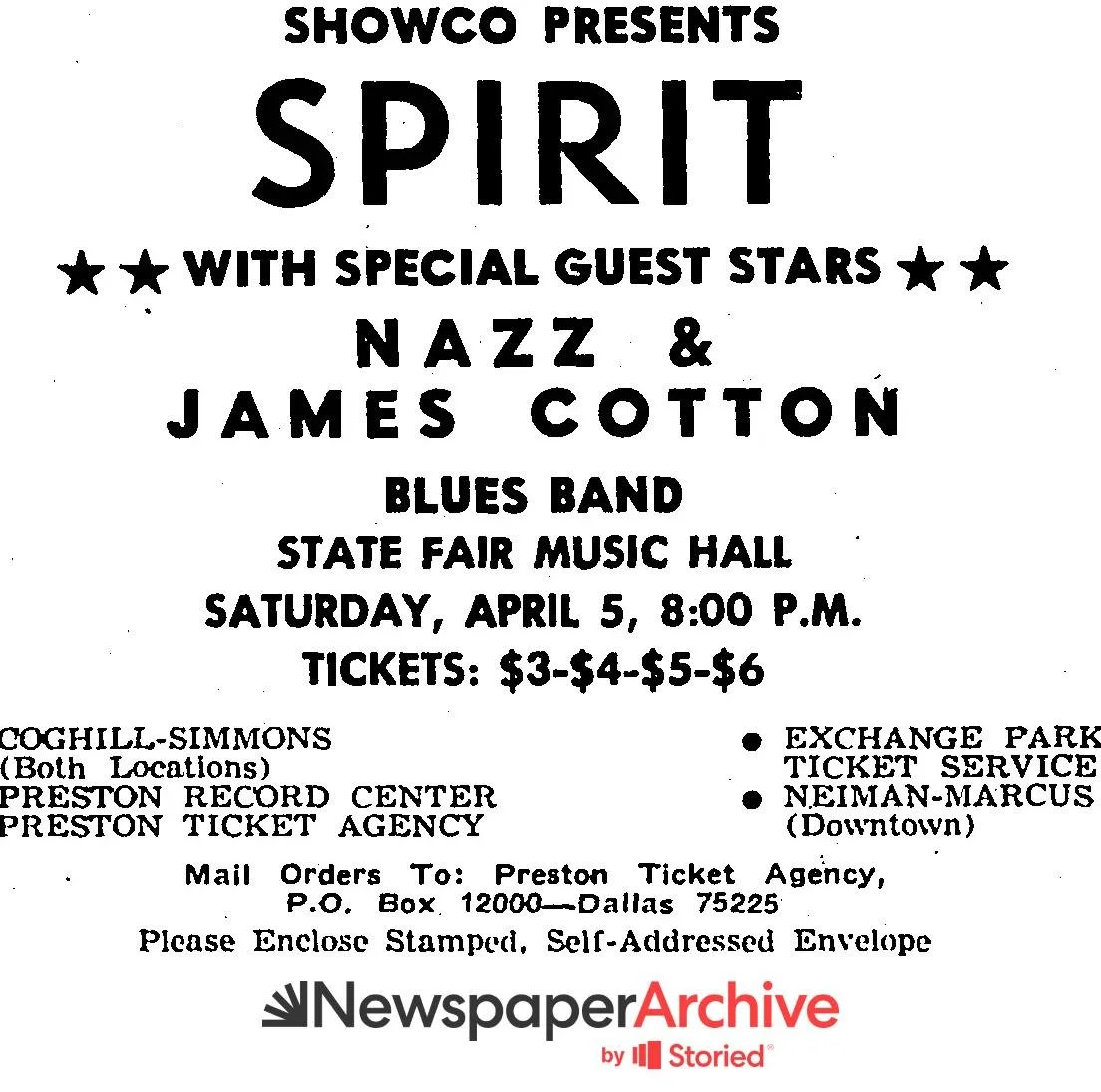
March,26-1969-Dallas-Smu-Campus-p-8-SPIRIT-SHOWCO PRESENTS NAZZ & JAMES COTTON
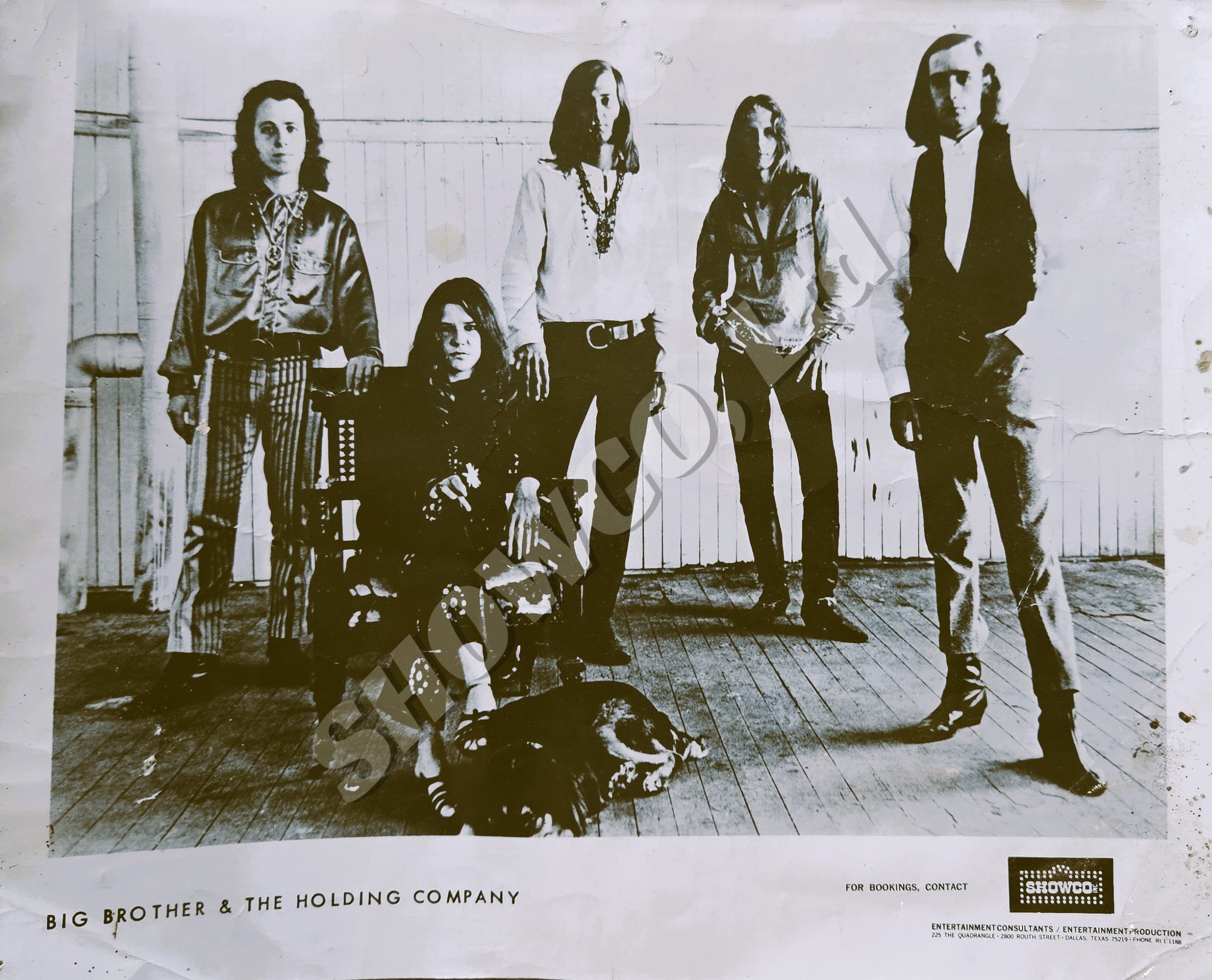
Big Brother & The Holding Company - Showco Mgmt. (Janis Joplin)
Want to dive deeper? Check out these press features and articles covering Showco’s milestones, people, and behind-the-scenes moments from this time:
Featured Artist(s), Festivals:
💬 Add to the Story
Did you work with Showco during these years? Share a memorable experience? Recognize yourself or someone else in a photo?
I'd love to hear your memories, stories, corrections, or additional information. Your contributions help preserve The Family Behind the Music.
Every memory shared here helps make the Showco Archives more complete for future generations.