
Building a touring sound company
In 1970, Showco entered a new phase. Jack Calmes, Rusty Brutsche, and Jack Maxson established a touring sound business in Dallas, building on the earlier Showco promotion years. David Alley joined the company’s early leadership; a 1973 Billboard profile identified all four men as its principals.
Their challenge was practical. A system had to reproduce a band clearly, provide sound the musicians could use onstage, withstand transportation, and be assembled repeatedly in unfamiliar venues.
From components to a complete system
Showco’s engineers used professional audio components while developing the cabinets, electronics, connections, and packaging around them. The system’s organization mattered as much as the power of any individual amplifier or speaker.
Equipment and skilled people traveled together. Each tour gave the company new information about what needed to be improved. Relationships with artists including Three Dog Night, James Taylor, and Led Zeppelin helped the operation grow.
The people behind the early equipment
Chuck Conrad joined during Showco’s earliest sound-company years and developed the modular Yellow Mixer. He also built a desk-style console associated with Jack Maxson and Three Dog Night.
Jim Bornhorst joined in January 1972. His early electronics work led to a central role in the Superboard project. In his account, Maxson defined its specifications, Brutsche handled the mechanical design, and Bornhorst designed the electronics and circuit boards.
These were successive developments, with different contributors and different purposes. Together, they show Showco learning how to design equipment specifically around touring work.
Sound grows into total production
Showco also began developing lighting and other production capabilities. John Tedesco’s self-contained airlift lighting tower addressed the same touring concerns as the sound equipment: packaging, transport, and quick setup.
Billboard’s September 8, 1973 profile captured how far Showco had moved beyond its earliest sound systems. The company was operating from an expanding 33,000-square-foot Dallas facility, employing about 70 people and sending ten complete sound units and four lighting-and-staging units onto the road, including work in Europe.
The operation extended across sets, special effects, large outdoor systems, equipment manufacturing, instruments and amplifiers, custom vehicles, and early video work. Affiliated companies also handled artist management, booking, publishing, and record production. Artists connected to this wider network included Bloodrock, Freddie King, Leon Russell, Thunder, John Nitzinger, and others.
At Willie Nelson’s Dripping Springs Picnic, Showco’s system reportedly served a crowd of roughly 60,000. Billboard also described massive bass horns designed for stadium audiences and noted that Showco’s recording work was done at January Sound Studios in Dallas. The article shows that by 1973, Showco was already operating as an integrated production organization—not simply a sound company.
The materials below document those formative years: the equipment, the tours, and the people turning a small Dallas operation into an international touring company.
Sources and related pages: Jim Bornhorst’s 2018 presentation; Chuck Conrad’s equipment history; the 1973 Billboard profile on David Alley’s page. Explore the earlier promotion years.
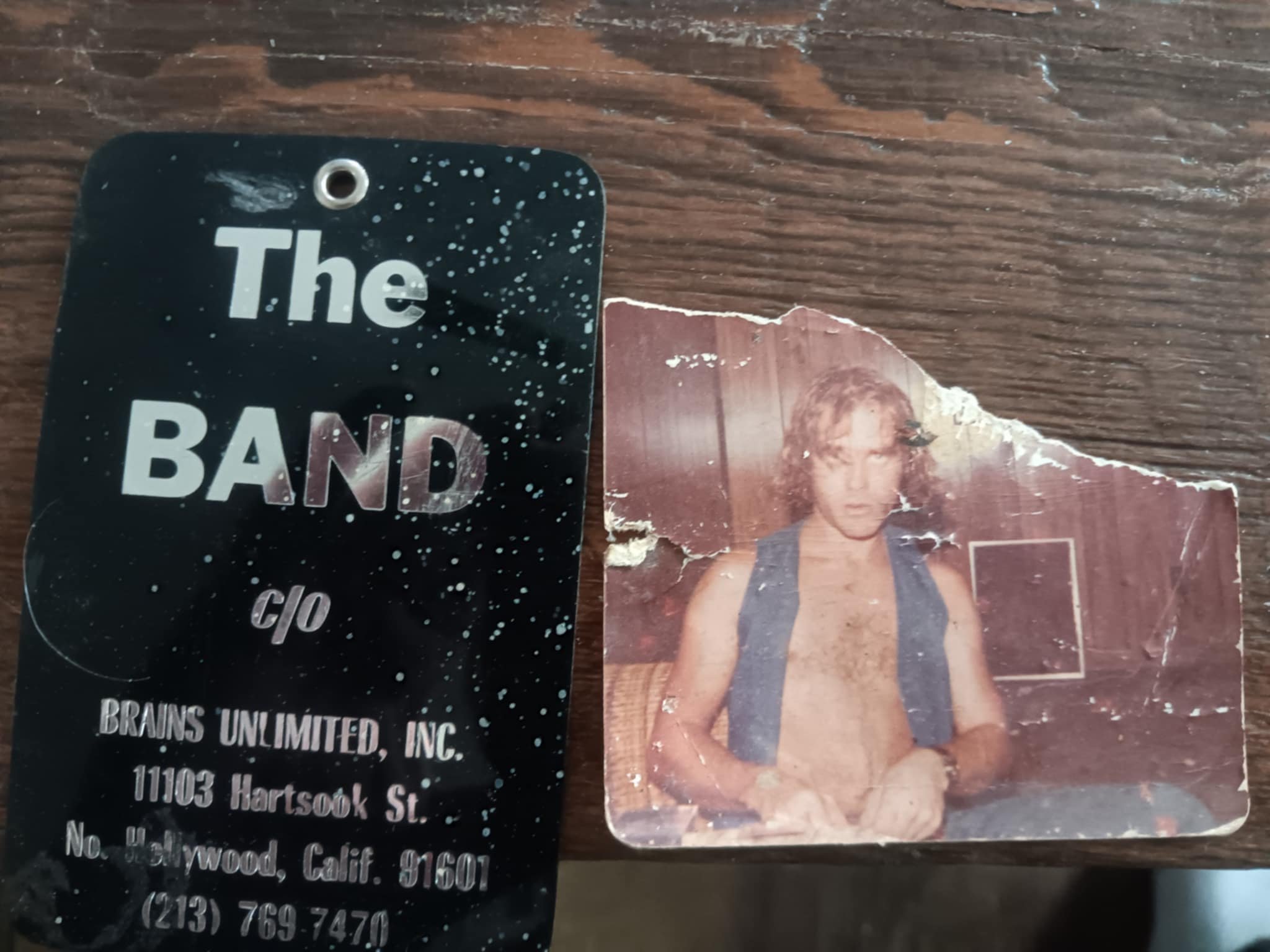
The Band laminate-Donnie Kretzschmar
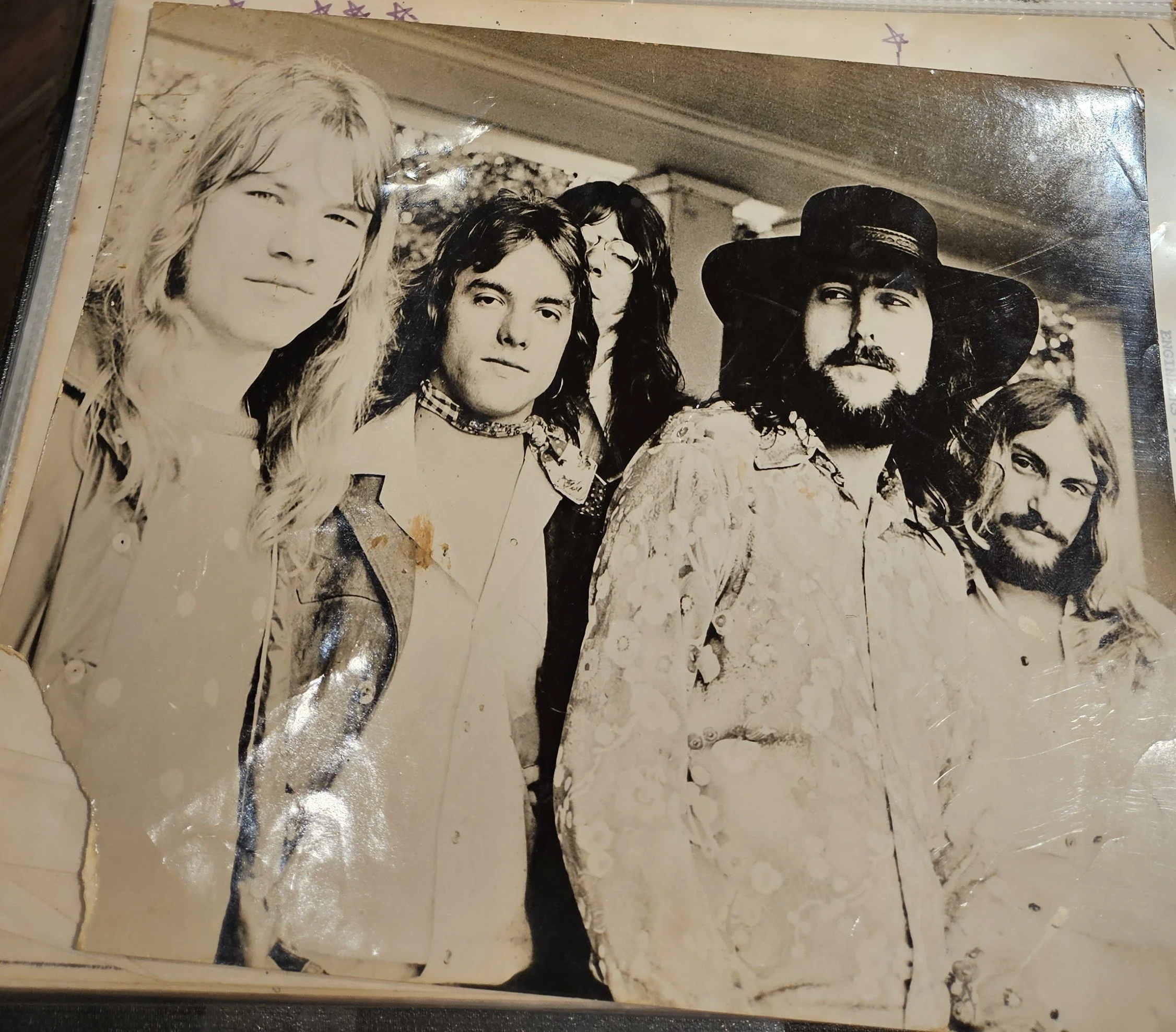
Lee Pickens-Carl Dunn photography
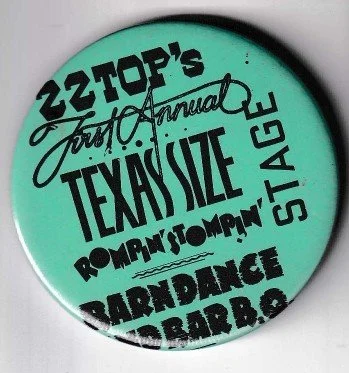
A round badge or button with teal background and black text, promoting ZZ Top's first annual Texas size stomp 'n' stage band dance event.
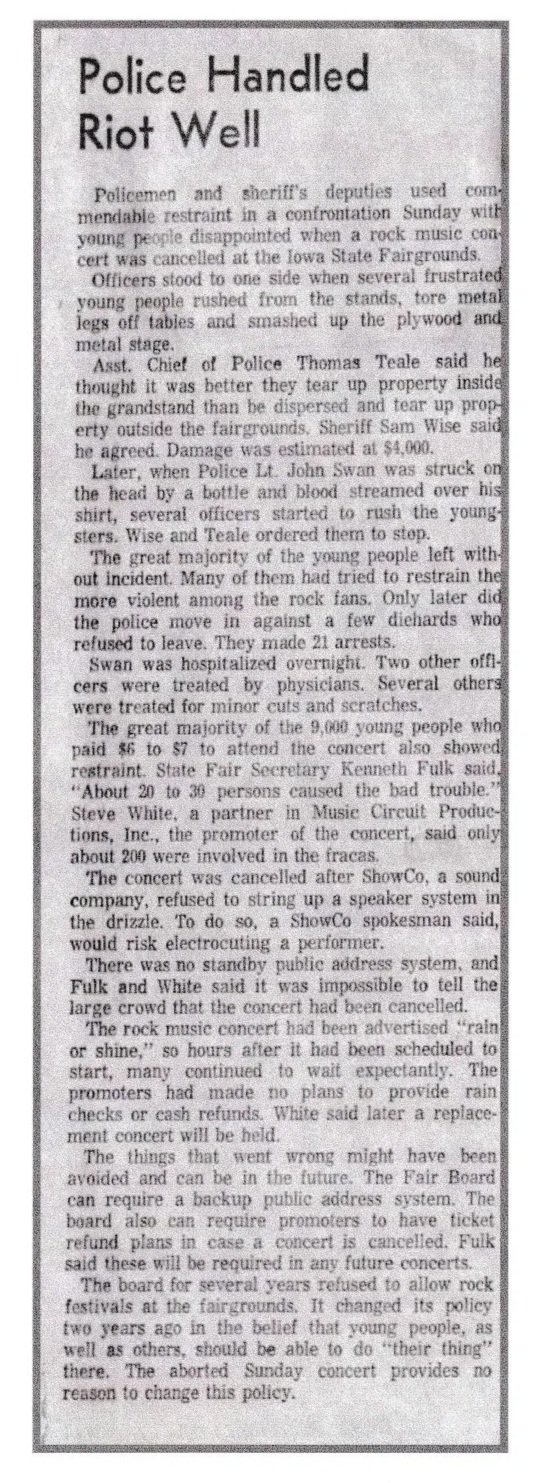
De Moines Tribune - 5.29.1974 - Police handle riot well
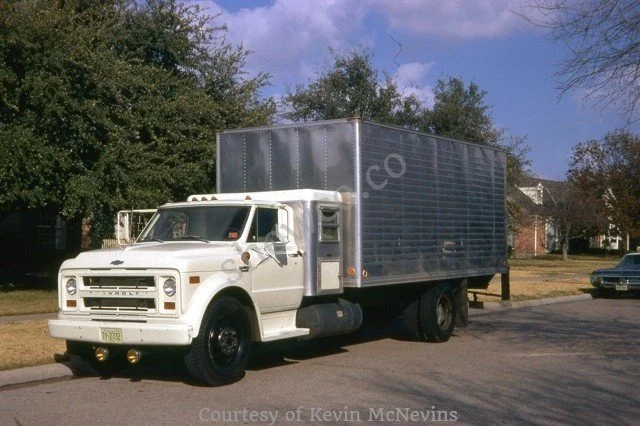
LORETTA THE 5-TON-LIMO Used for Led Zeppelin, 1970 James TAYLOR, 1971 CAT STEVENS
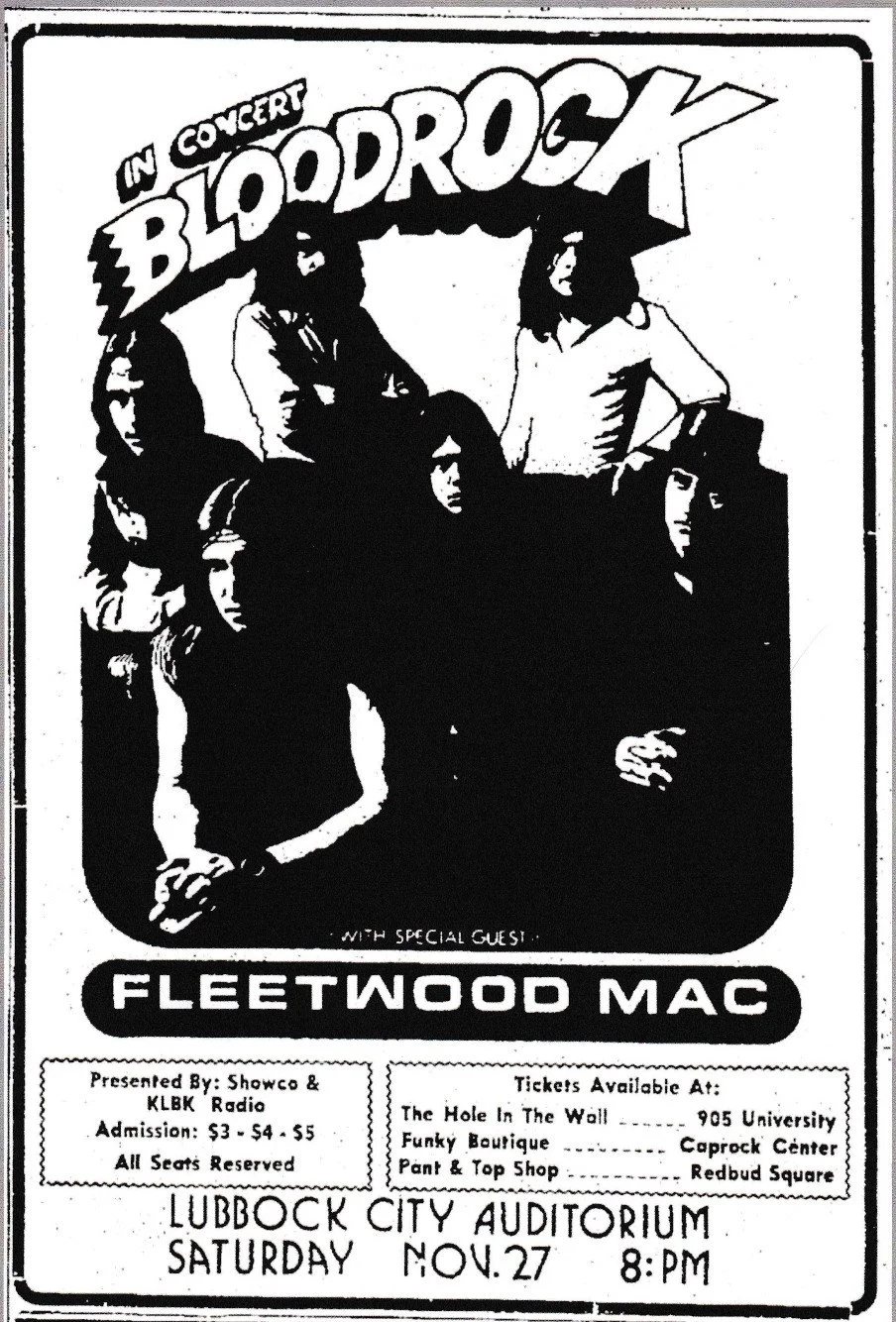
Bloodrock Flyer Presented by Showco - Lubbock Avalanche Journal 11.21.1971
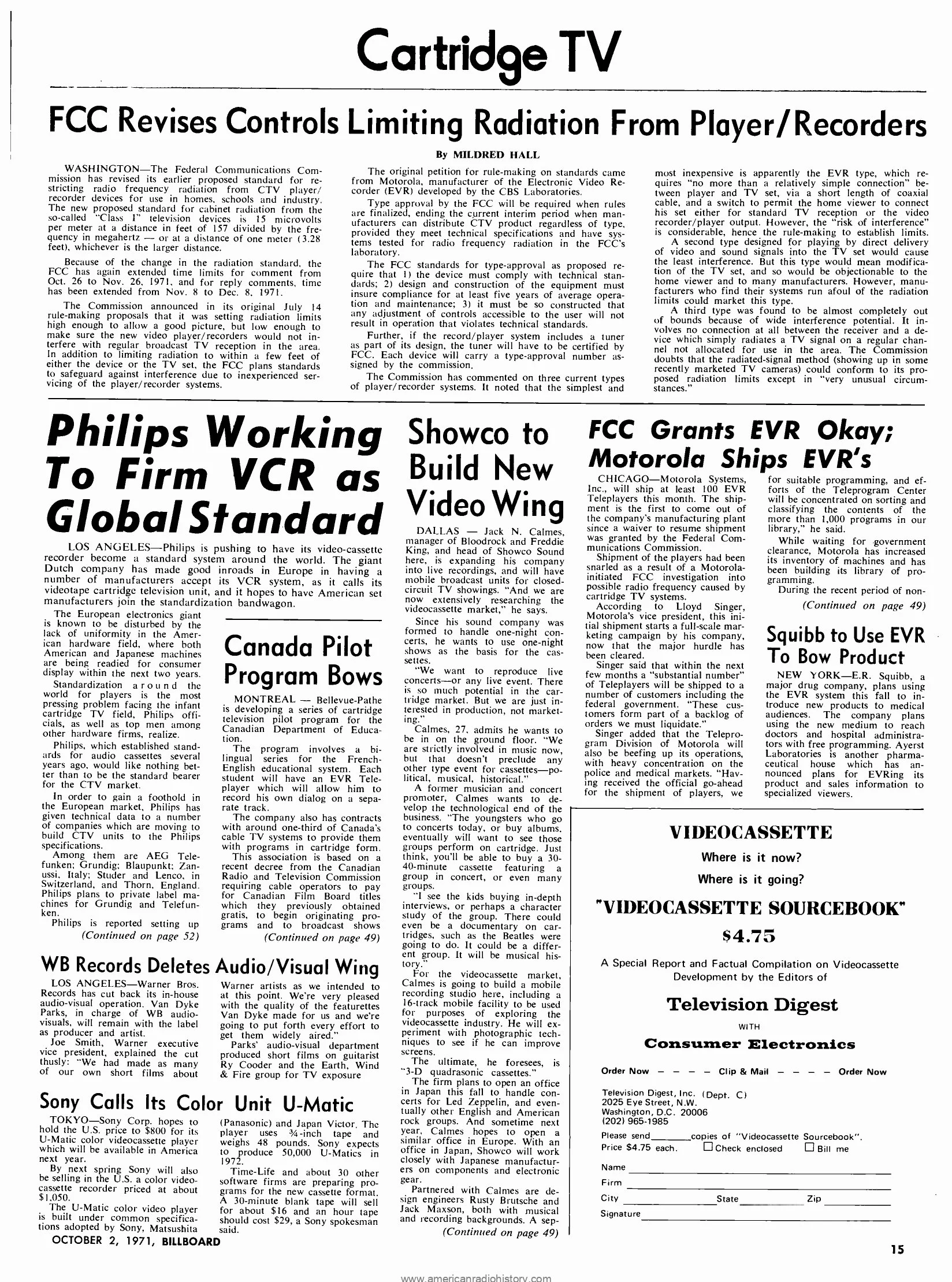
Billboard Magazine - 10.2.1971
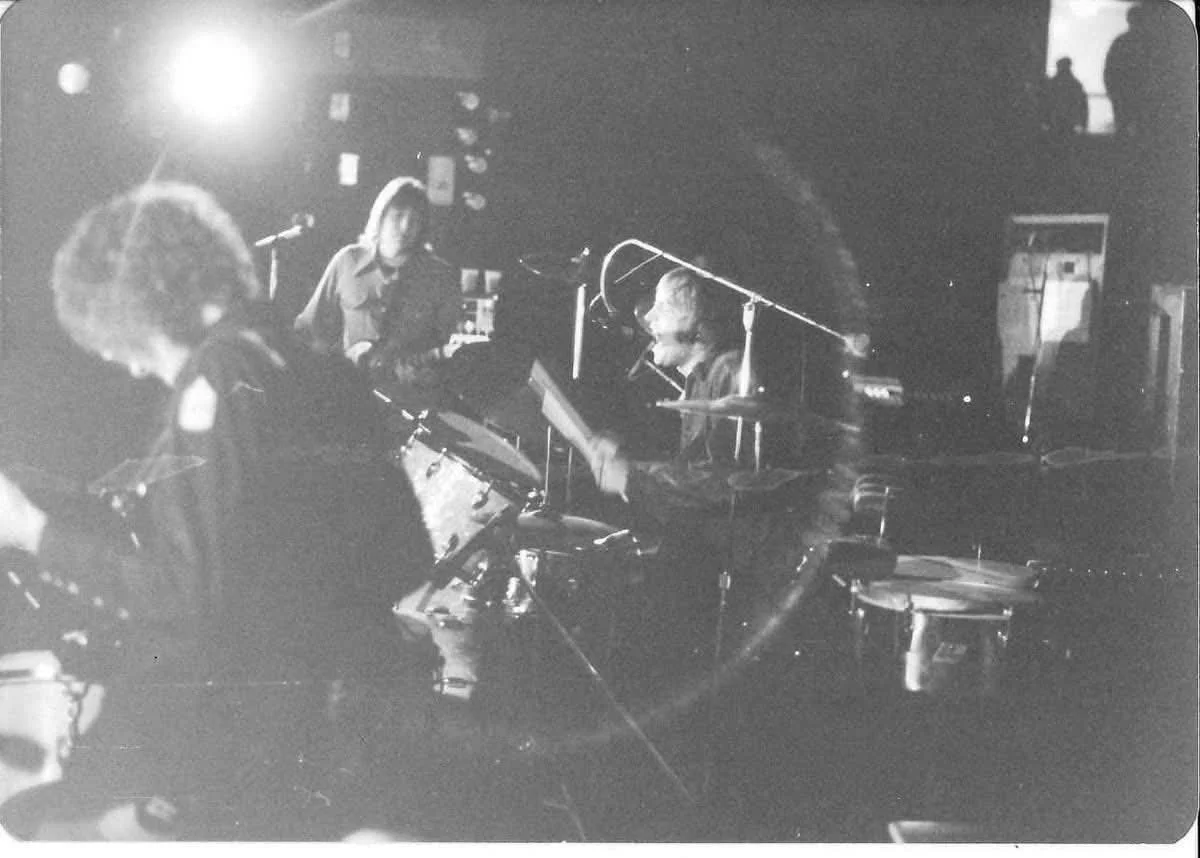
RARE EARTH show 1971 in Monroe, Louisiana
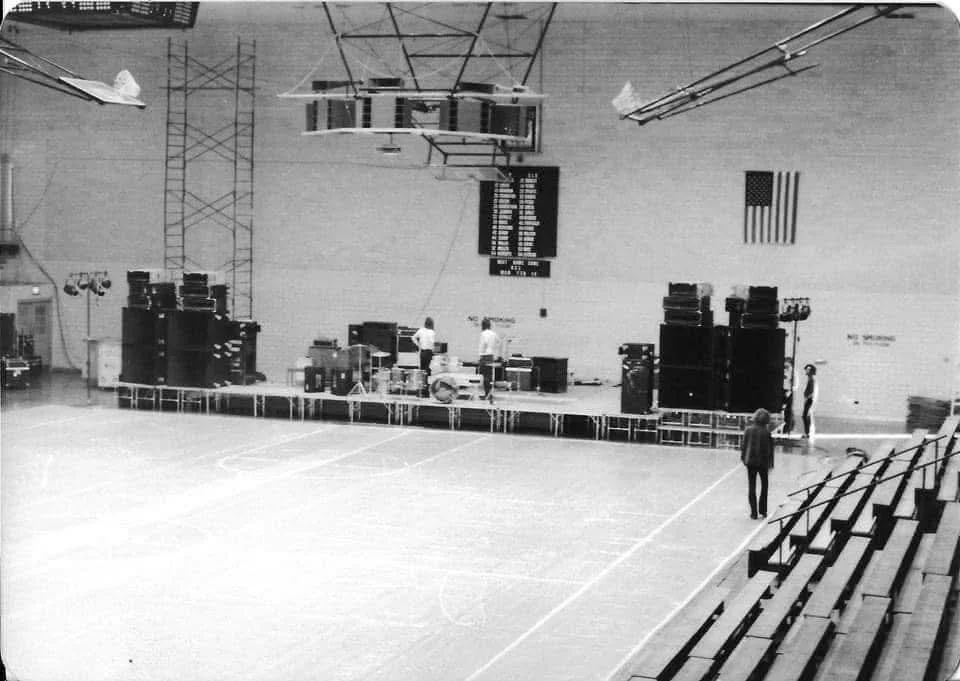
RARE EARTH show 1971 in Monroe, Louisiana -FRAZIER INSTALL-JBL 2470 DRIVERS
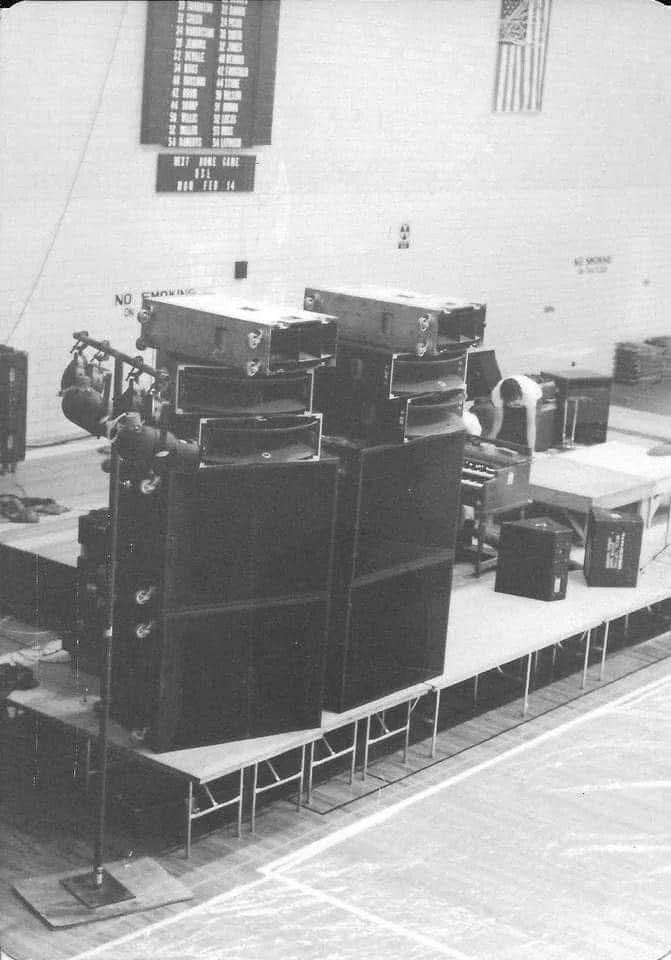
RARE EARTH show 1971 in Monroe, Louisiana -JBL-2470-HORNS-DUKANEDRIVERS-
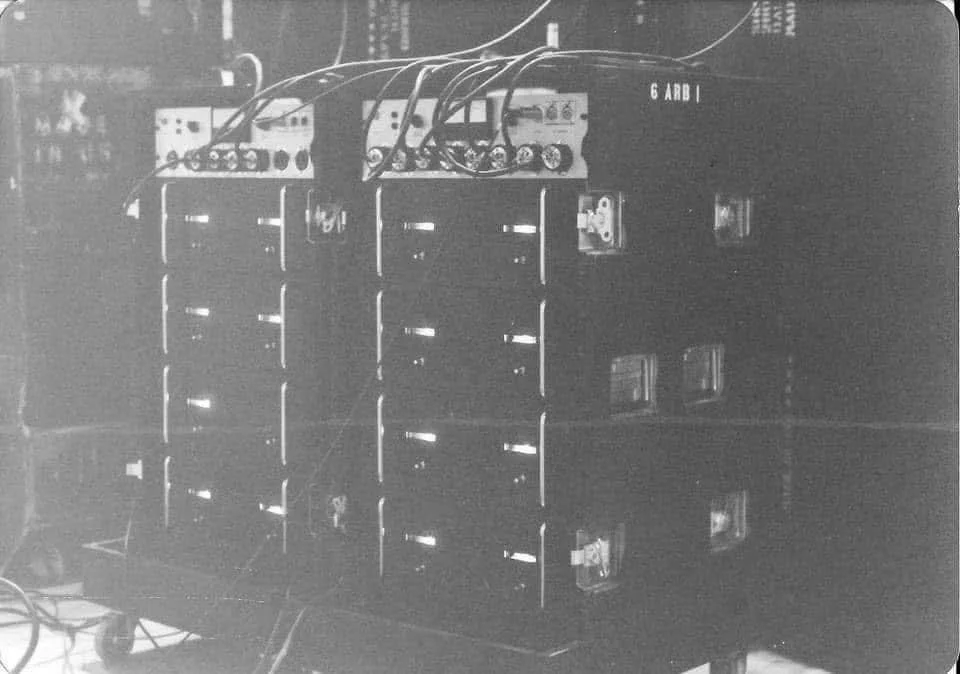
RARE EARTH show 1971 in Monroe, Louisiana - SAE AMP RACKS
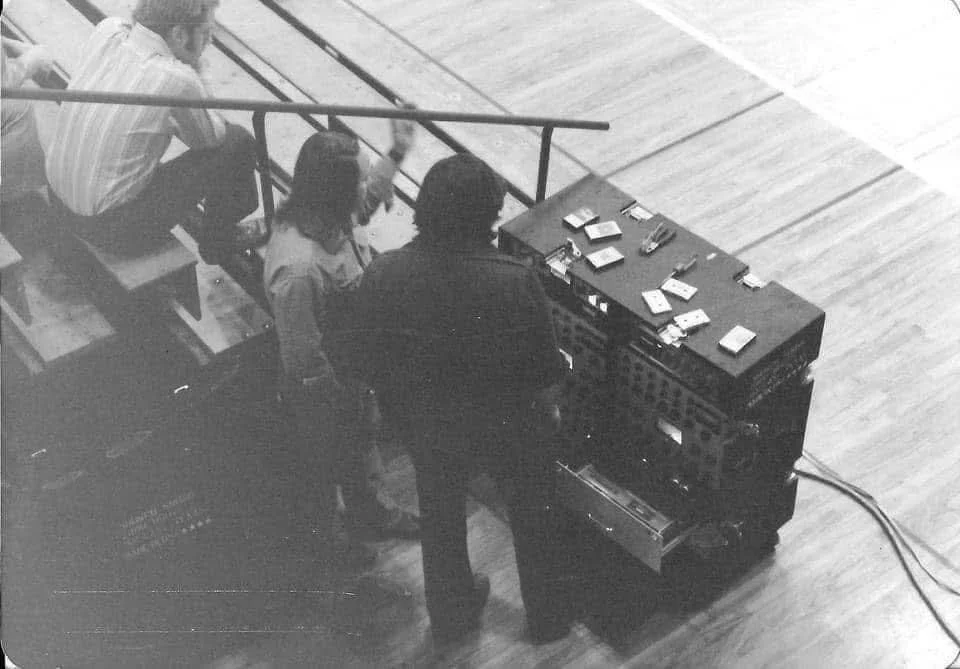
RARE EARTH show 1971 in Monroe, Louisiana - SHOWCO RACK MIXERS-3 DOG NIGHT-MAXSON-BRUTSCHE-YELLOW MIXERS

RARE EARTH show 1971 in Monroe, Louisiana - SHOWCO RACK MIXERS-MAXSON-BRUTSCHE
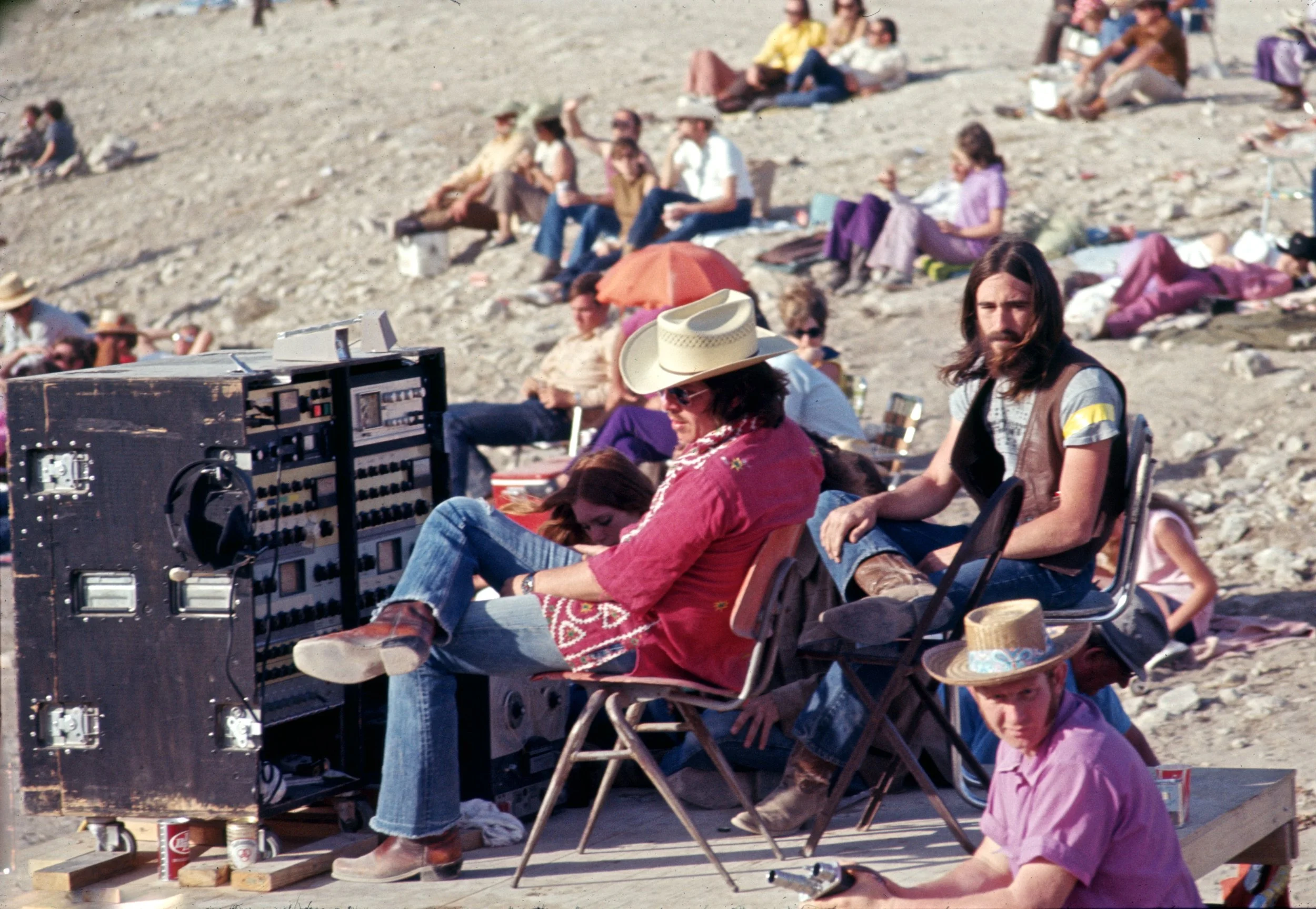
Yellow mixer Dripping Springs
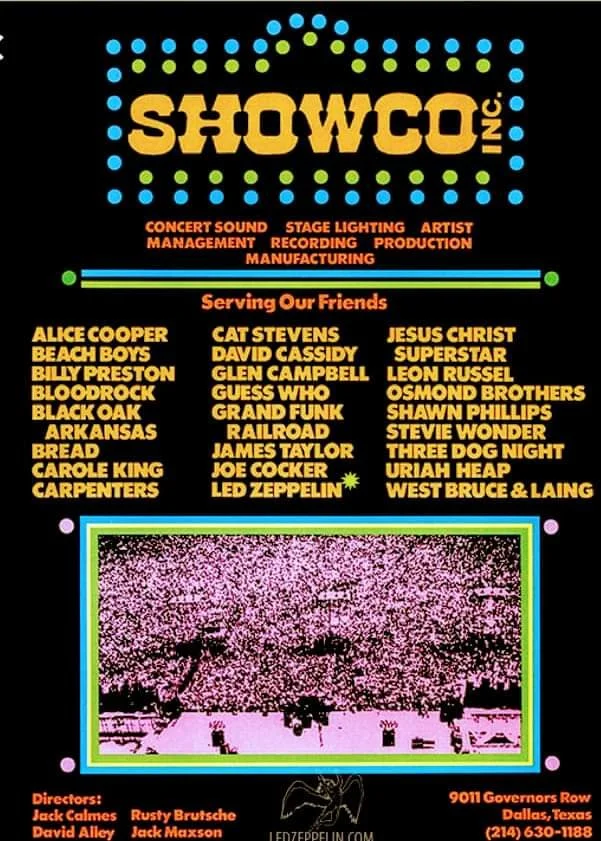
Billboard Magazine - September 8, 1973 Issue
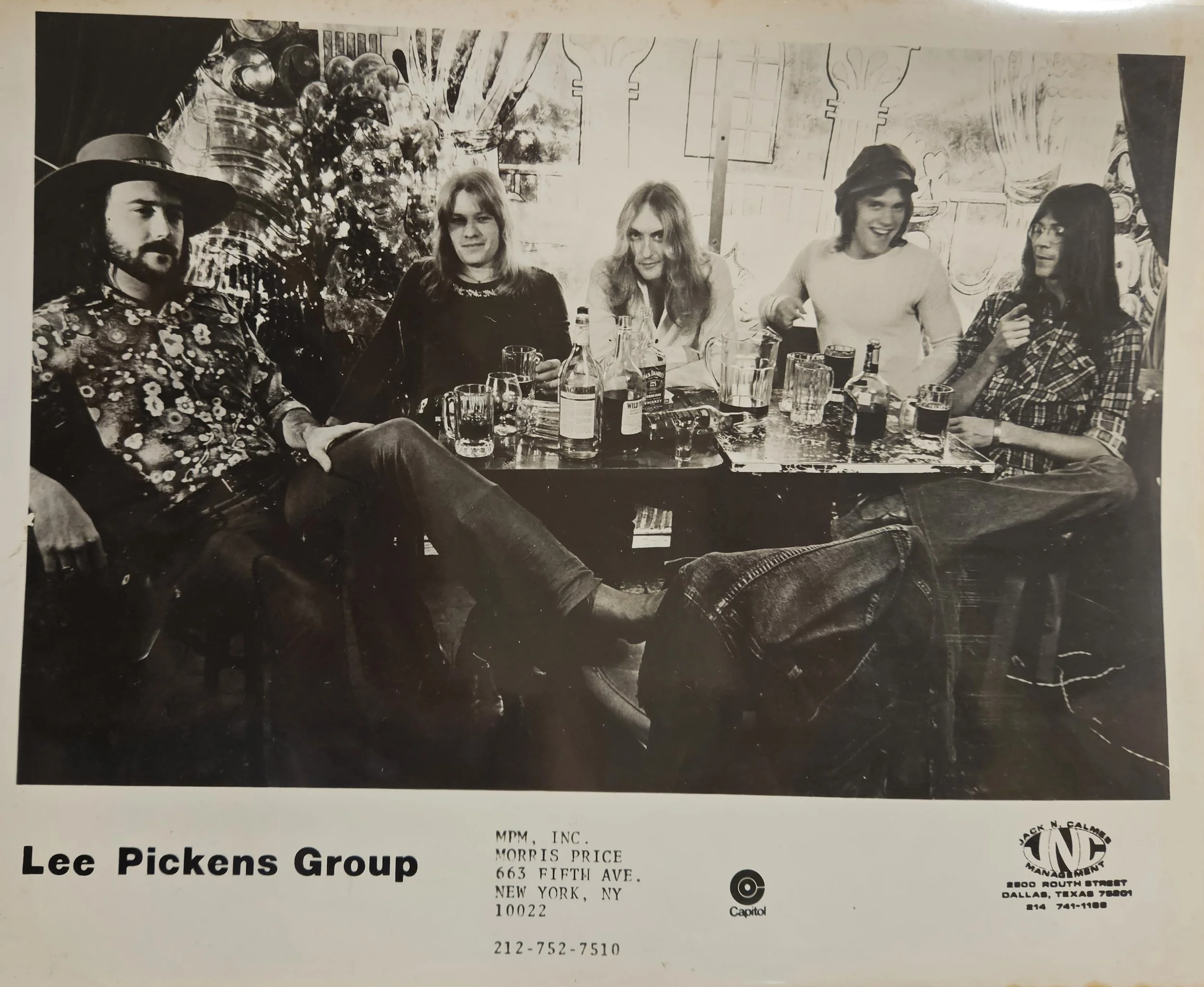
Black and white photo of the Lee Pickens Group, a group of five people sitting at a bar or restaurant table with drinks in front of them, smiling and enjoying each other's company, with a decorative mural in the background.
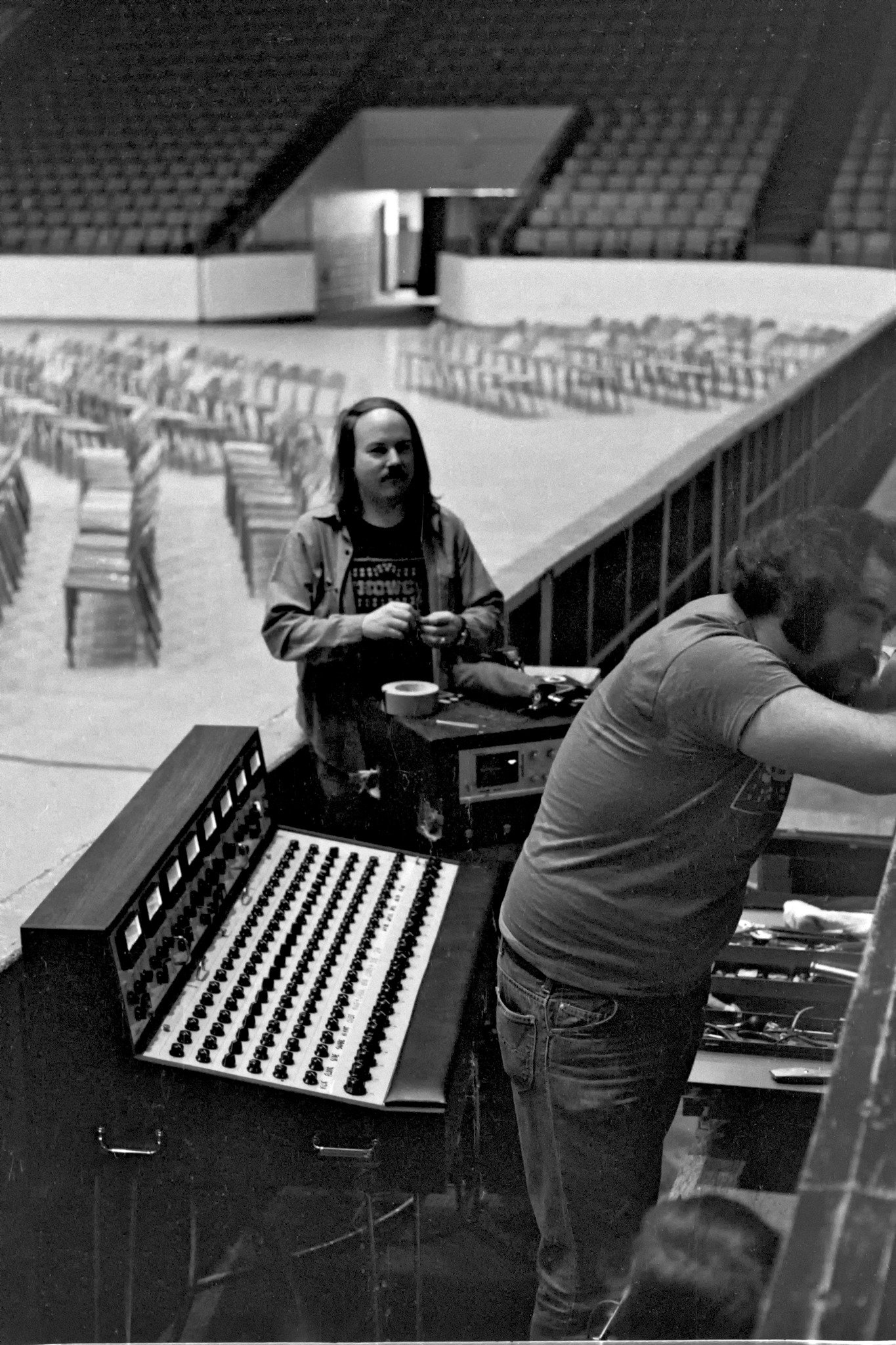
Jack Maxson, Tiny - Maxson's console- Three Dog Night - Courtesy of Chuck Conrad
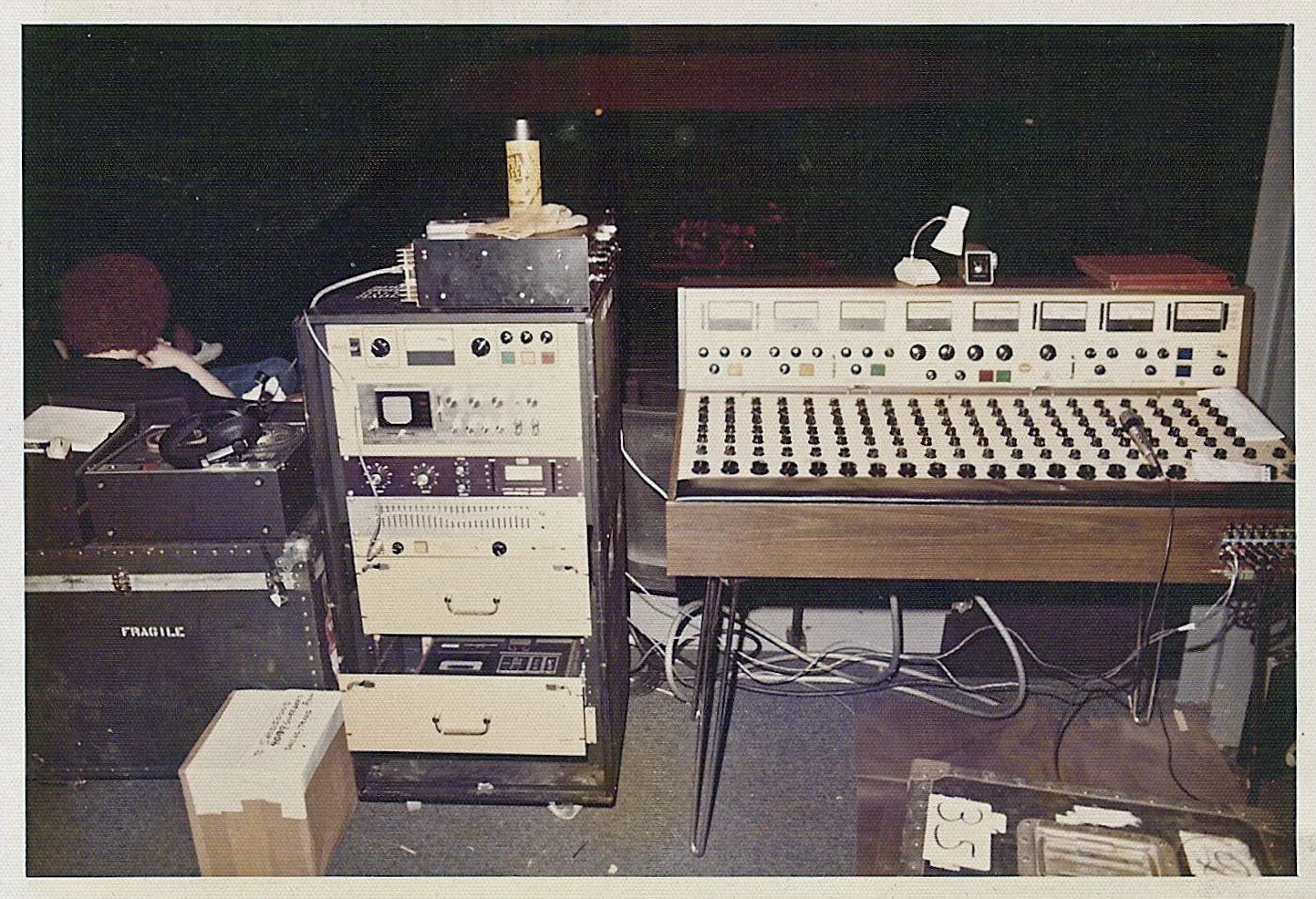
Jack Maxson's console -1972
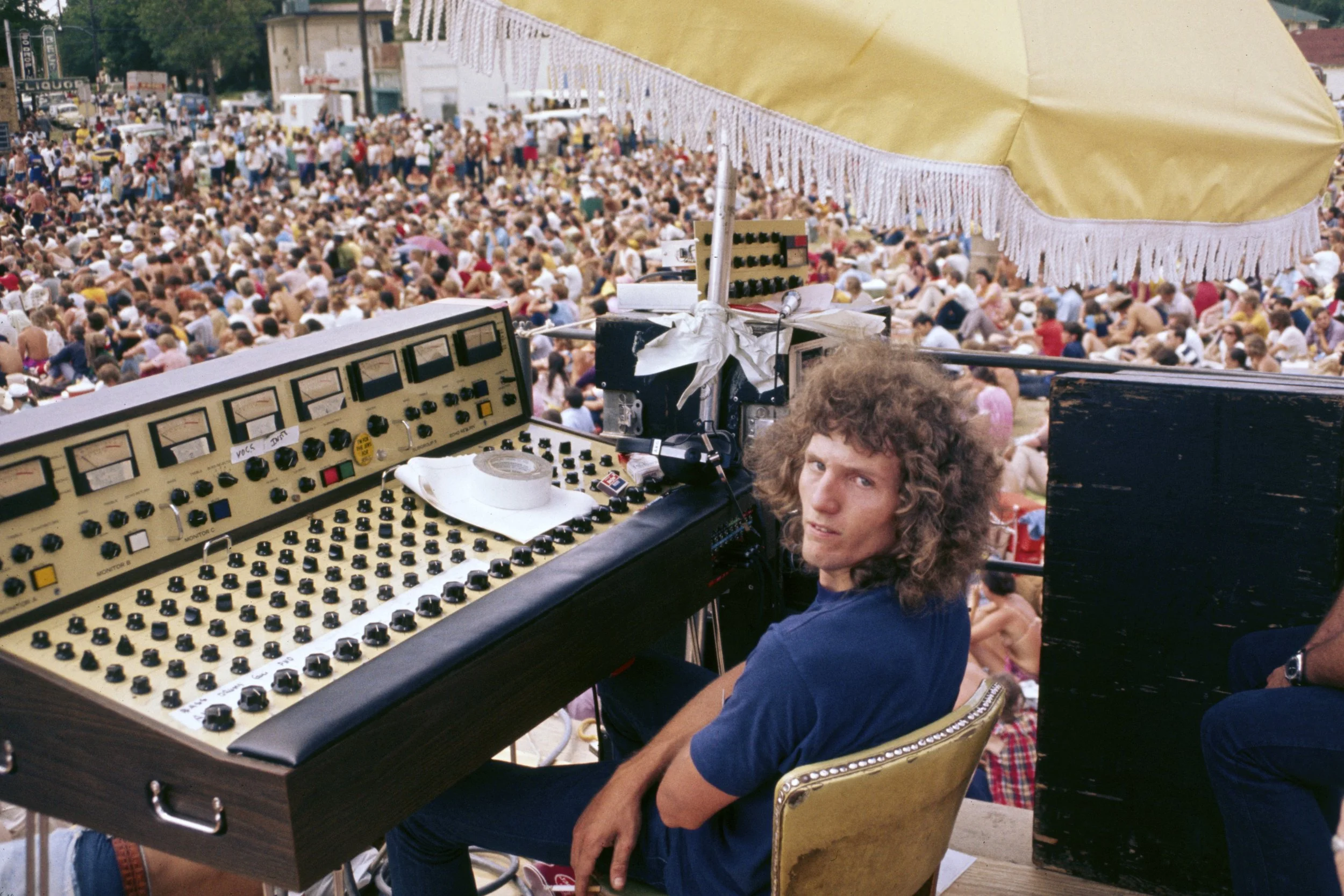
Robert Medley at the FOH position at a Billy Graham Crusade-Showco yellow mixer - courtesy Conrad
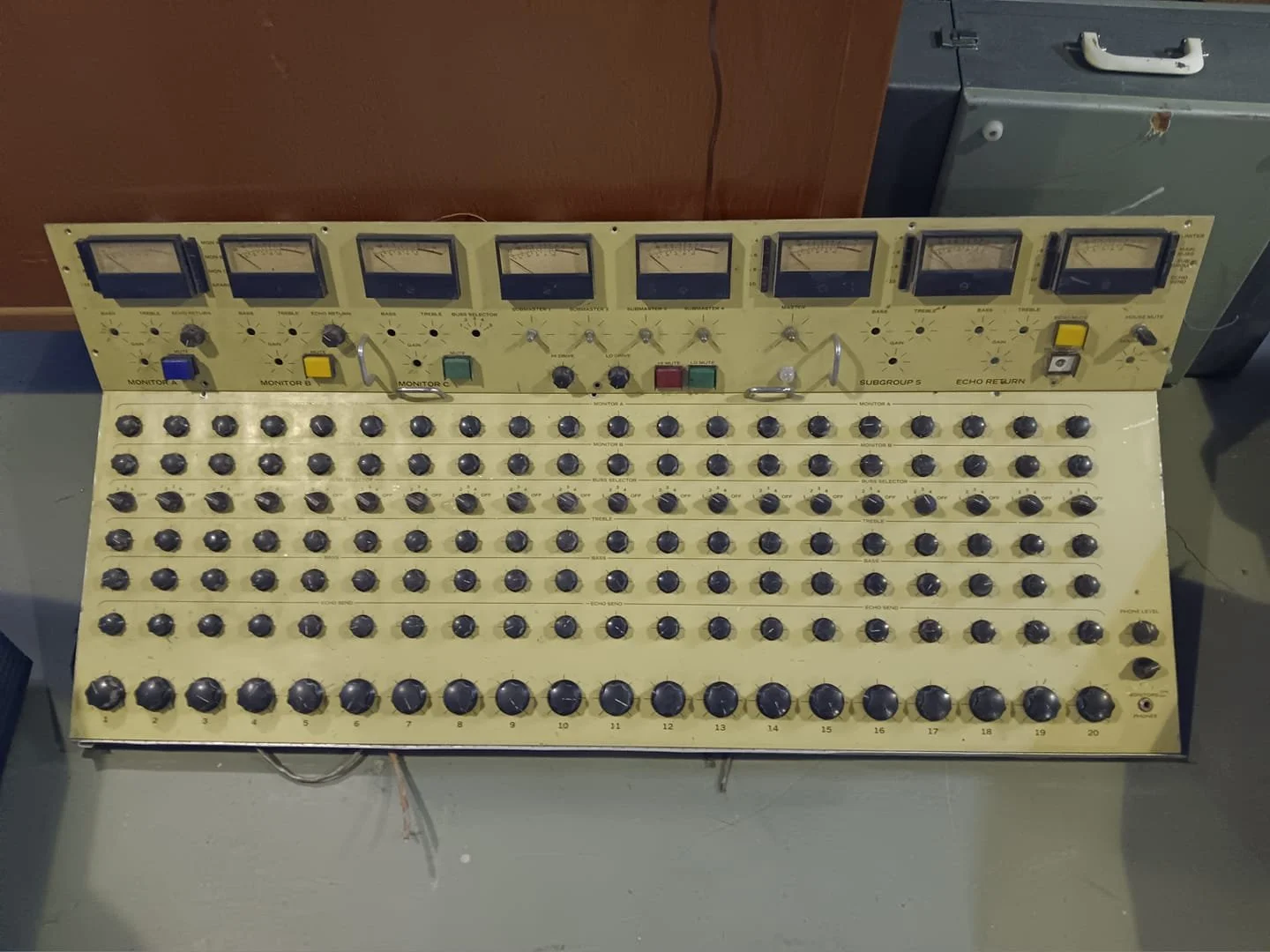
Showco Console - courtesy of Chuck Conrad
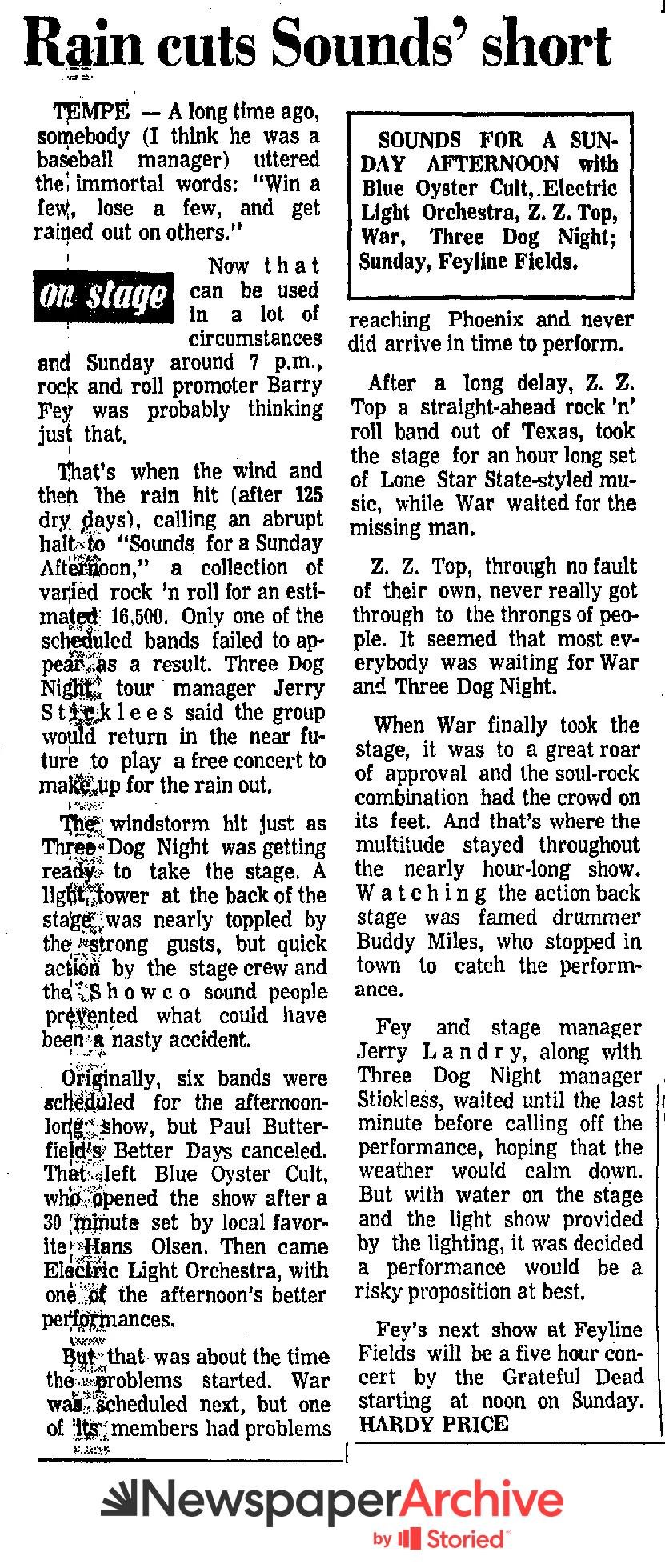
3-DOG-NIGHT-November,19-1973-Phoenix-Arizona-Republic-p-17
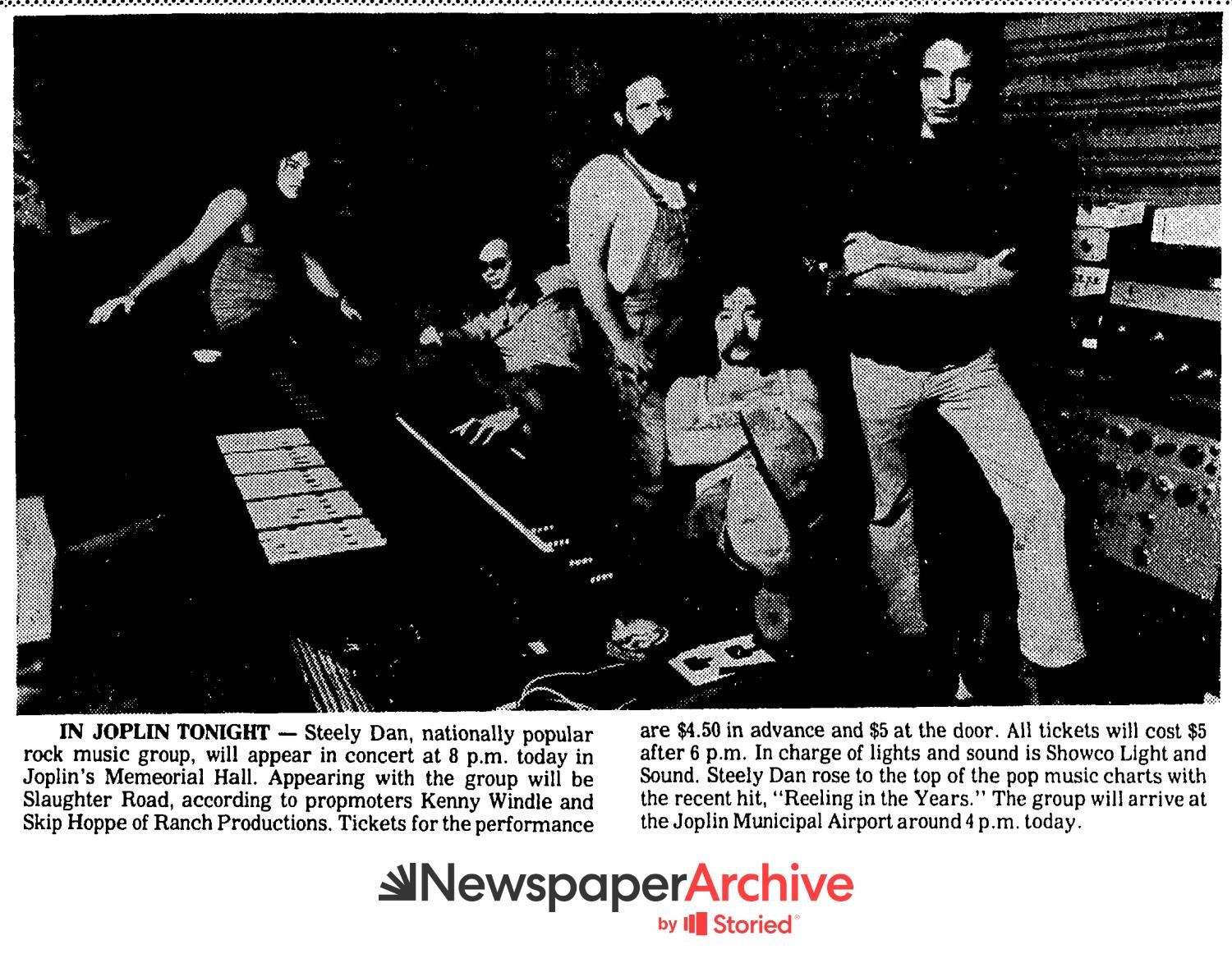
STEELY-DAN-September,11-1973-Joplin-Globe-p-11
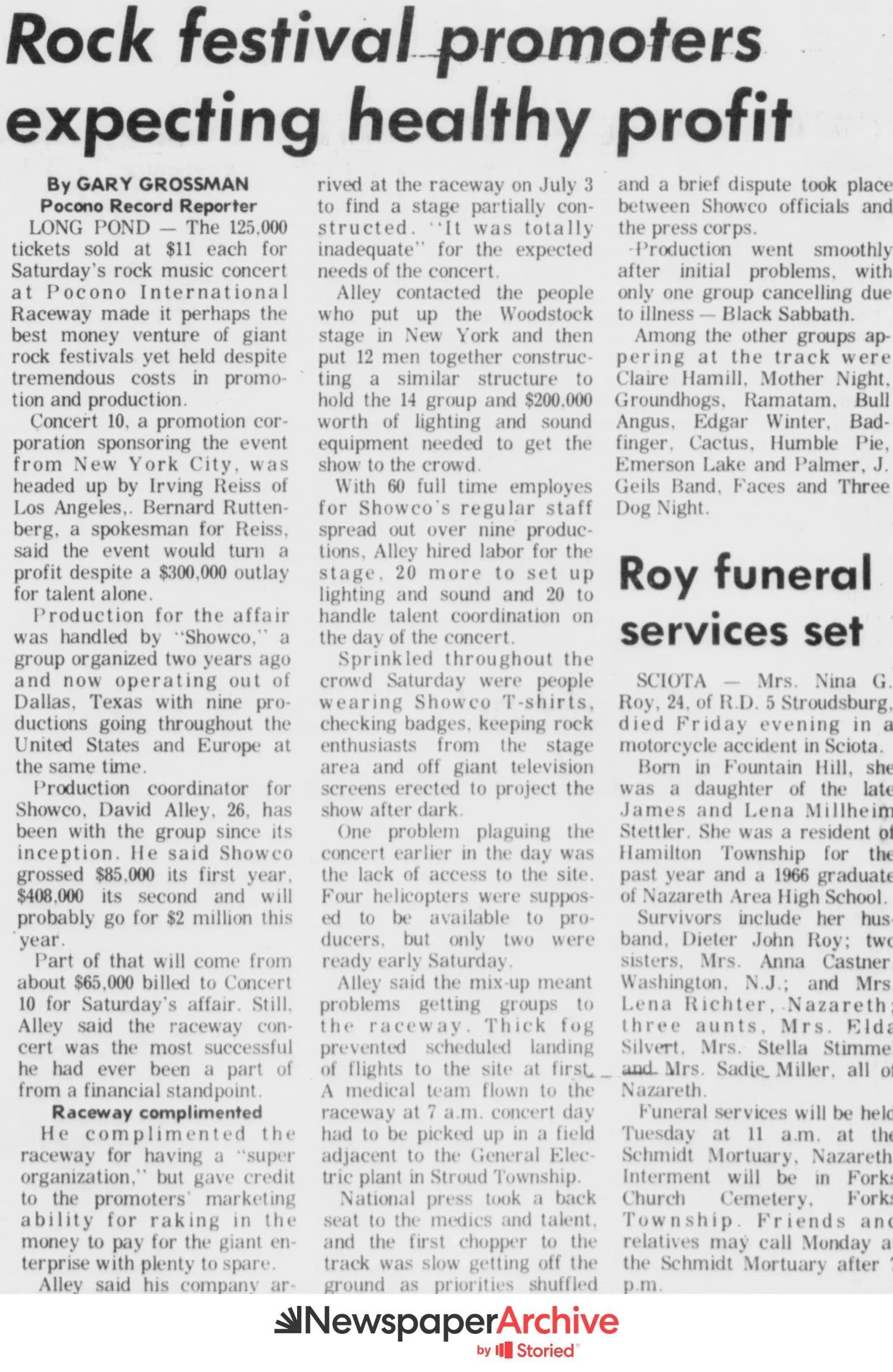
Jul 10, 1972-Stroudsburg-Pocono-Record-p-22
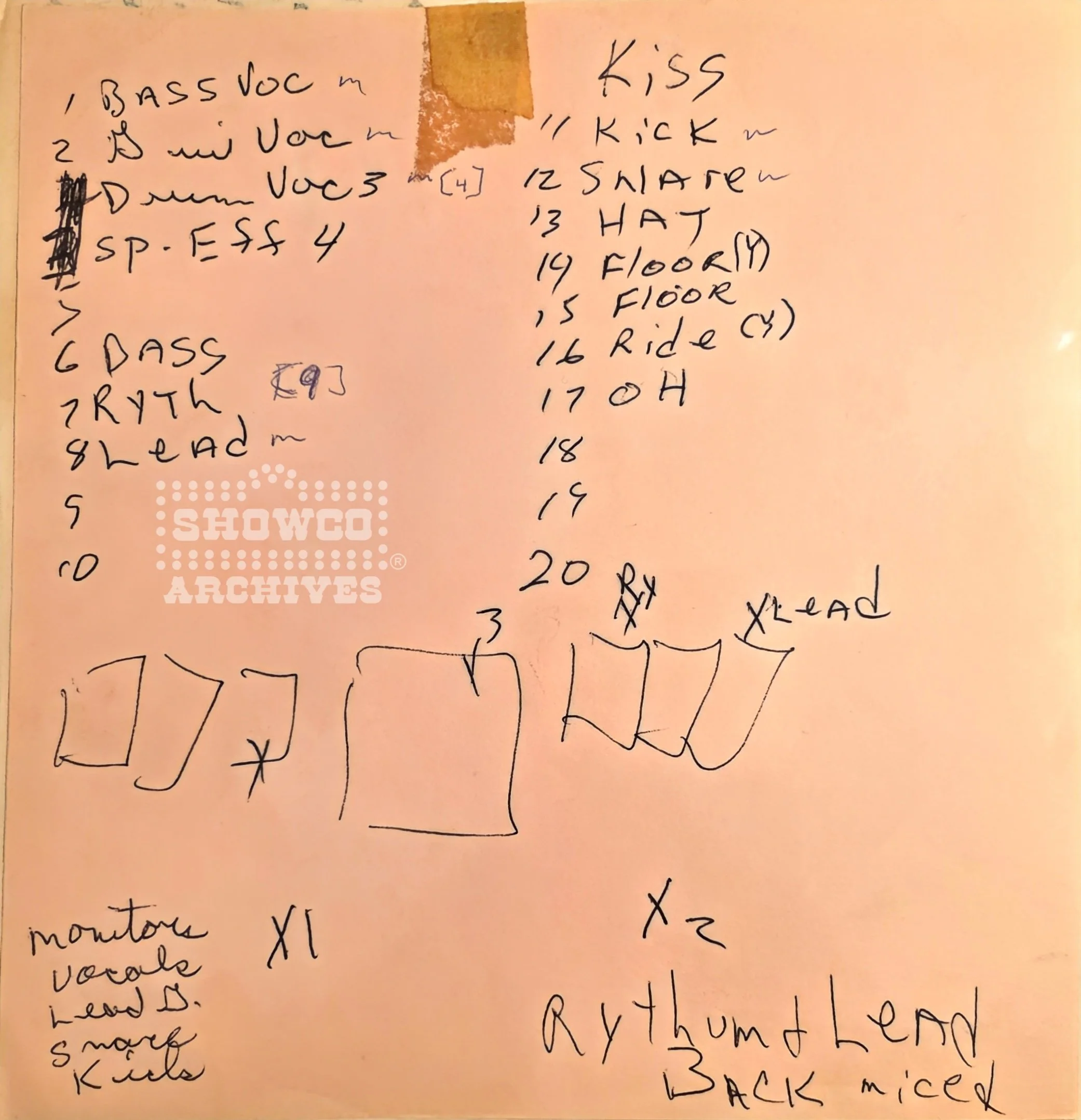
KISS Original SHOWCO Stage Plot & Input List — ZZ Top Tour (1974/1975)
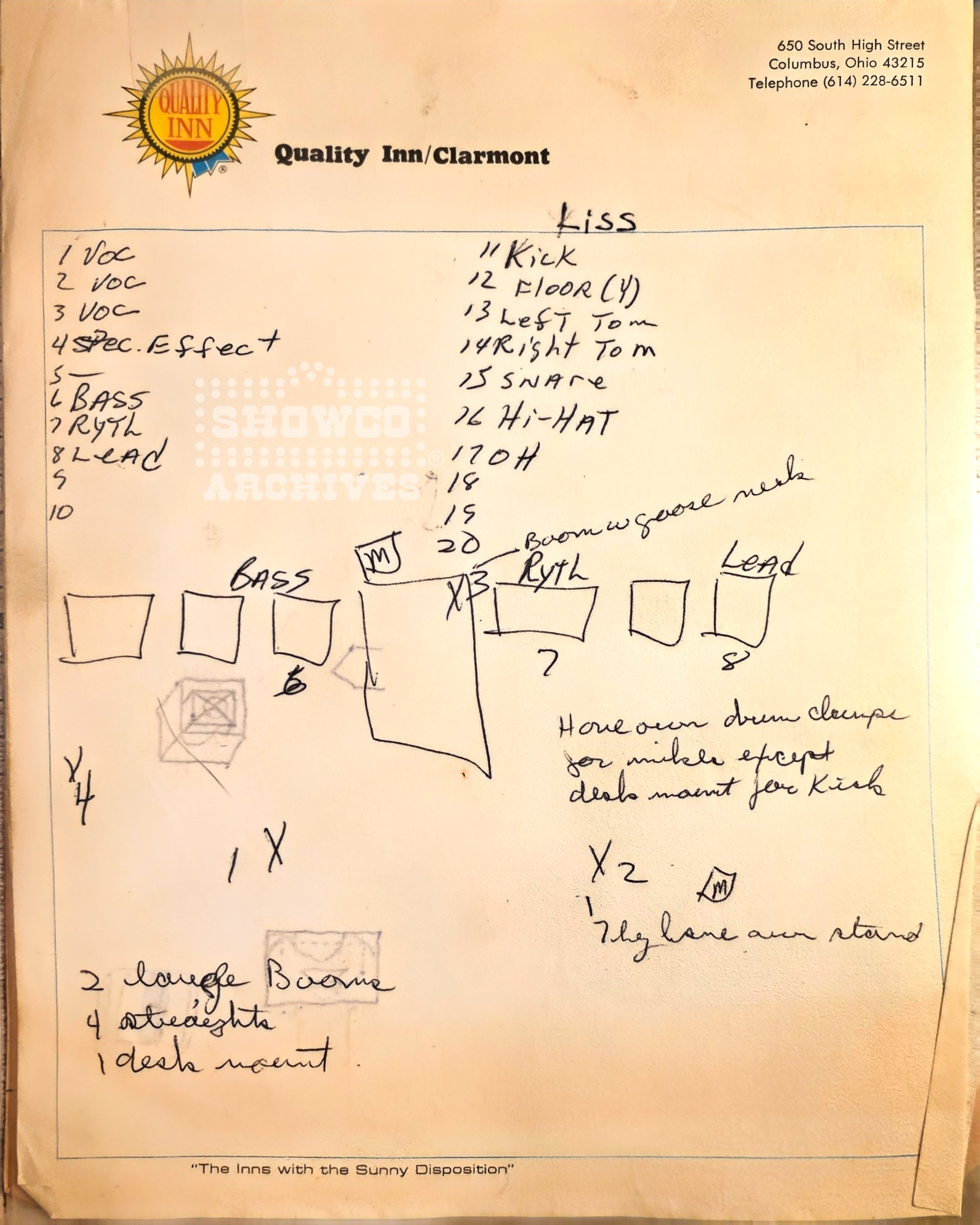
KISS Original Handwritten Input List on Hotel Stationery — SHOWCO / ZZ Top Tour (1974/1975)
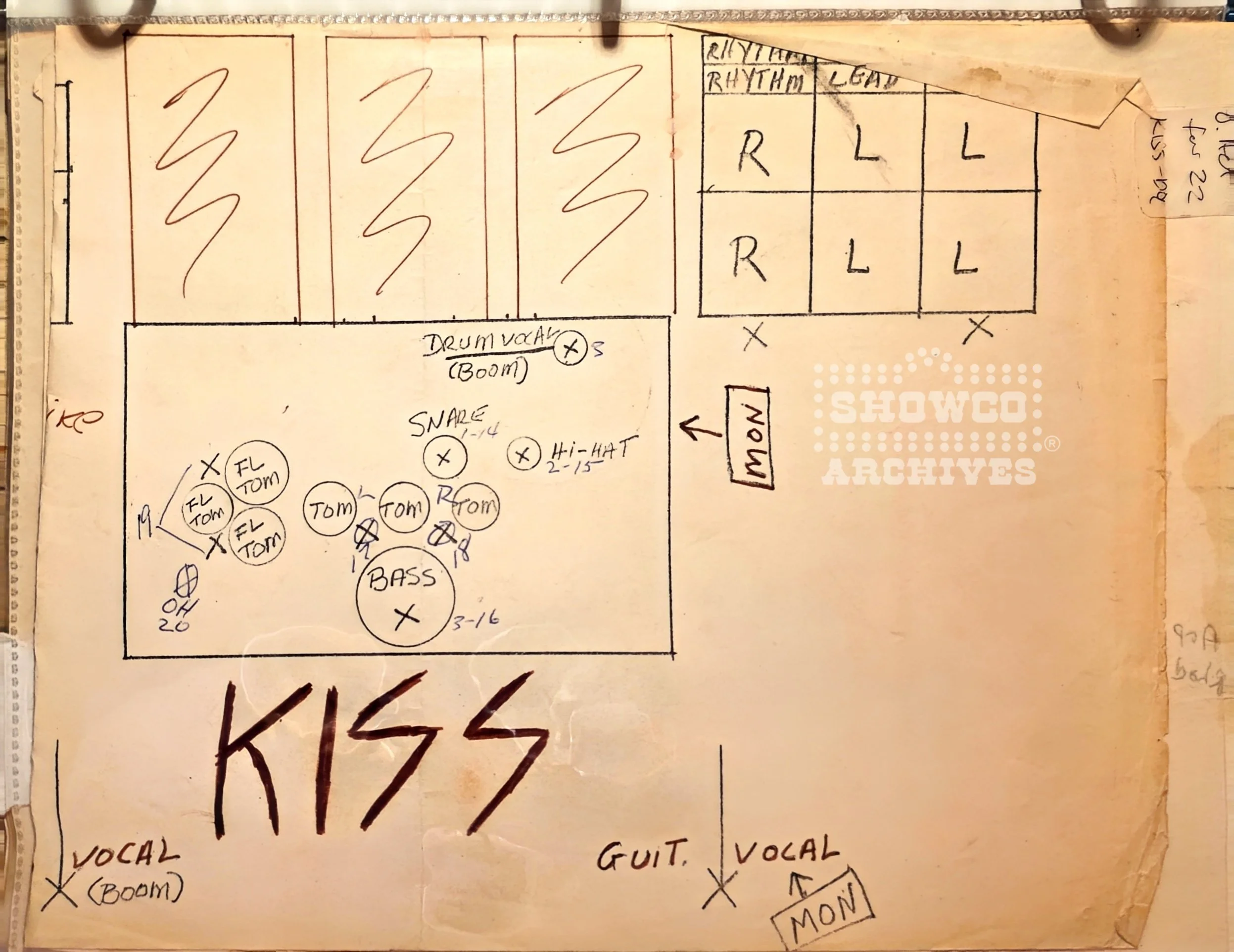
KISS Original Handwritten Input List & Mic Chart — SHOWCO / ZZ Top Tour (1974/1975)
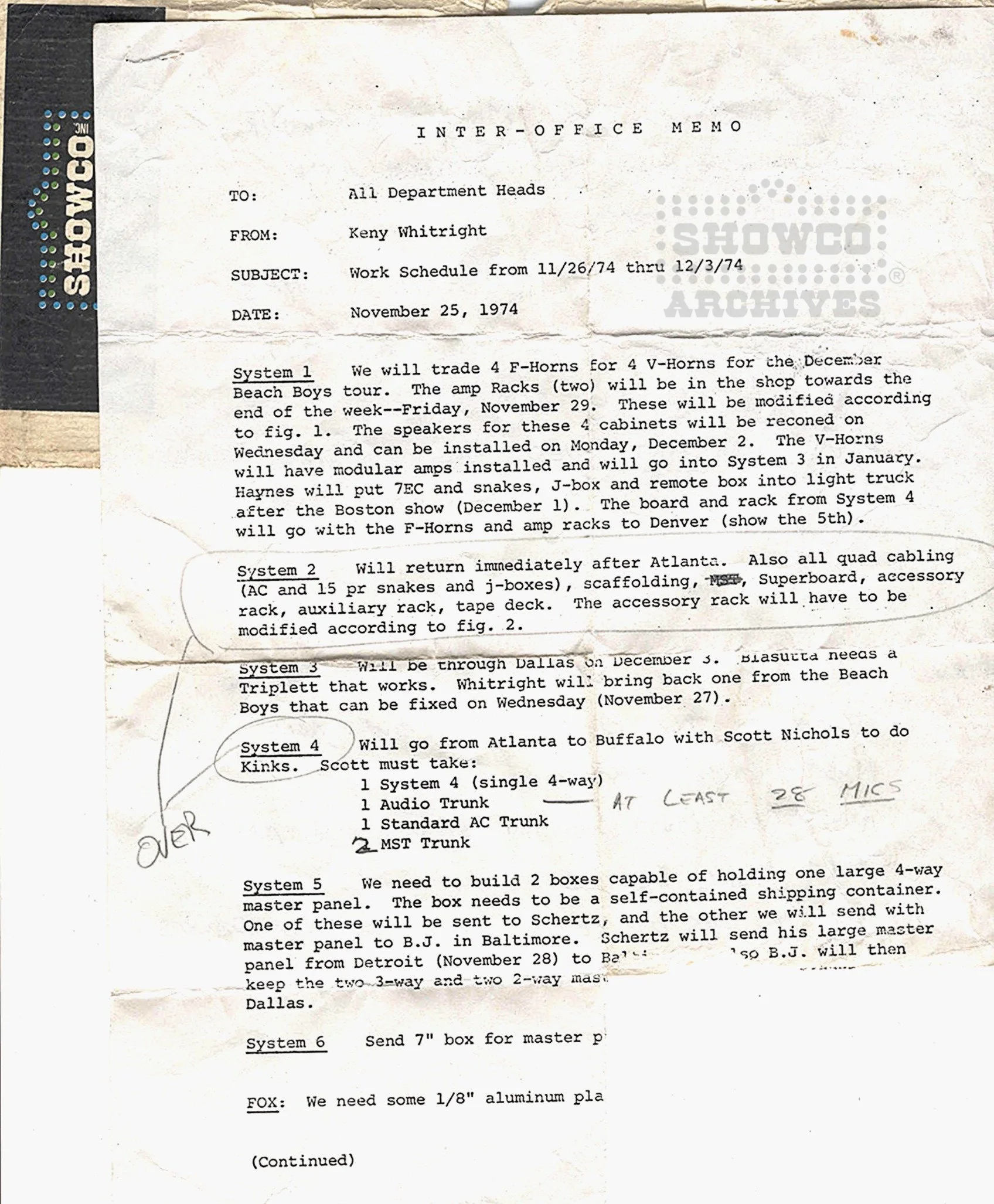
Interoffice memo 11/25/1974 from Keny Whitright re: work schedule for 11/26-12/3/1974 - courtesy of Linda Heath
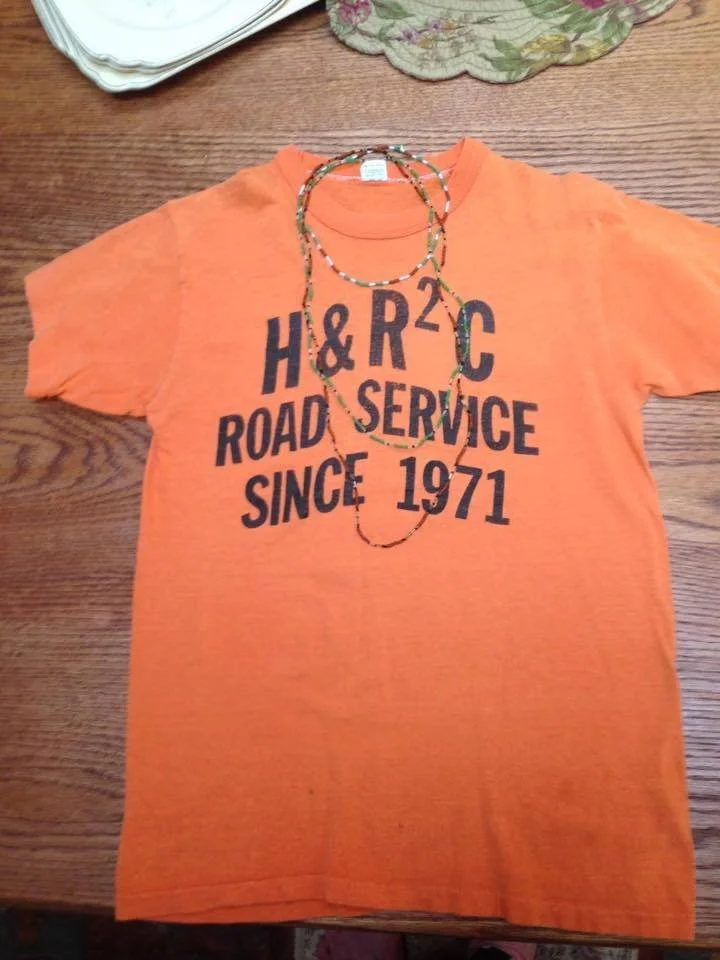
SHOWCO-SHIRT-CREW-H&R2C stood for Hopkins & Roberson, Ray, Cottham (John Hopkins, Rob Roberson, Bobby Ray, Mike Cottham).
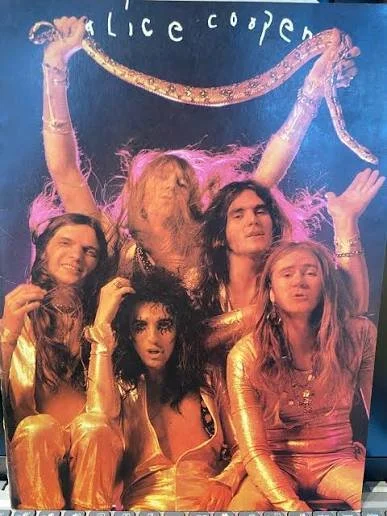
Alice Cooper - Killer
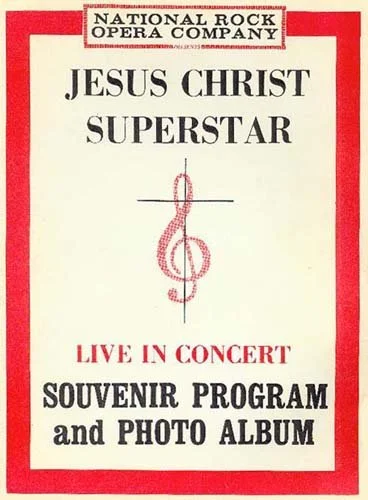
1971 Jesus Christ Superstar Program
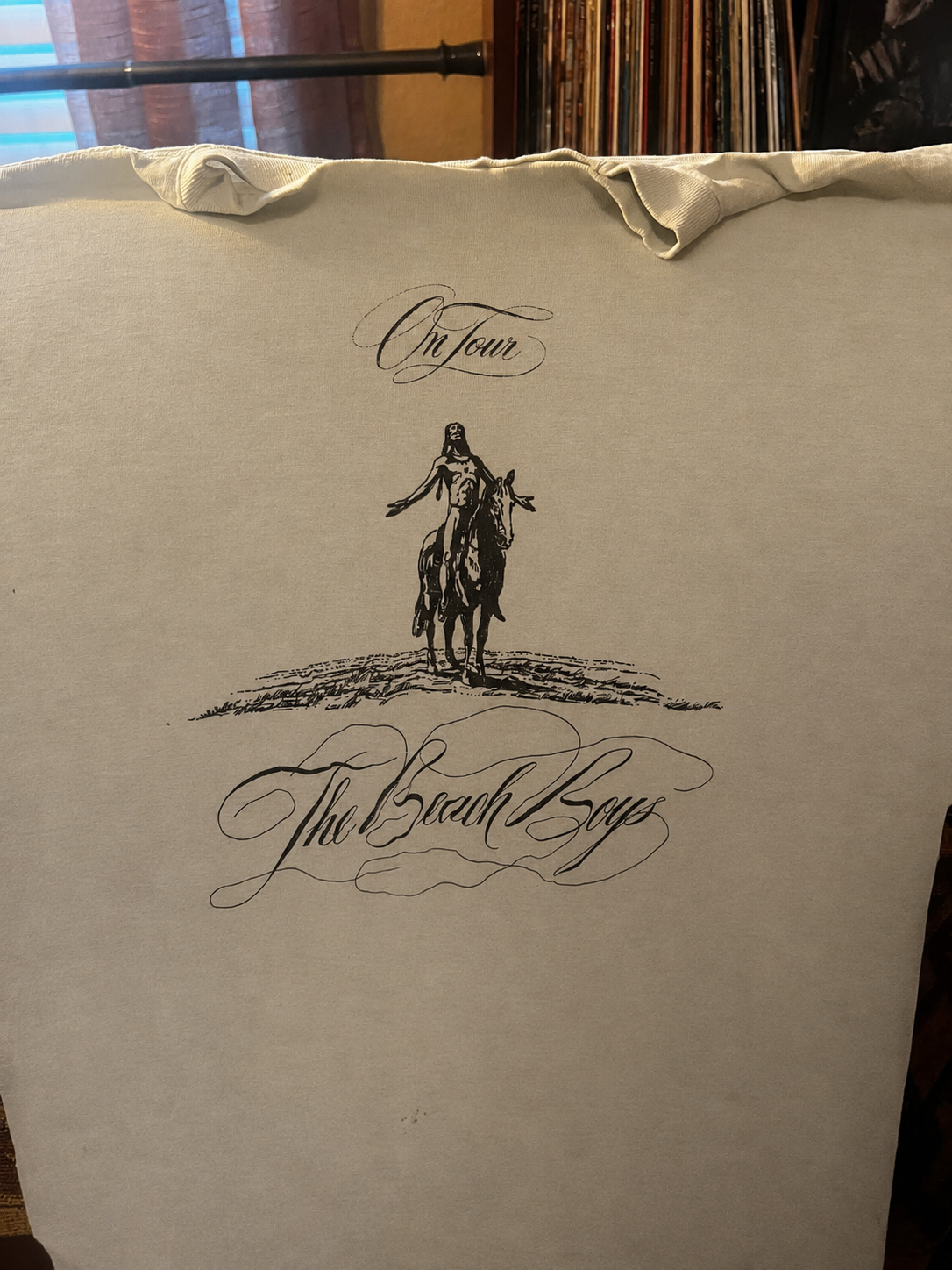
Beach Boys Showco shirt
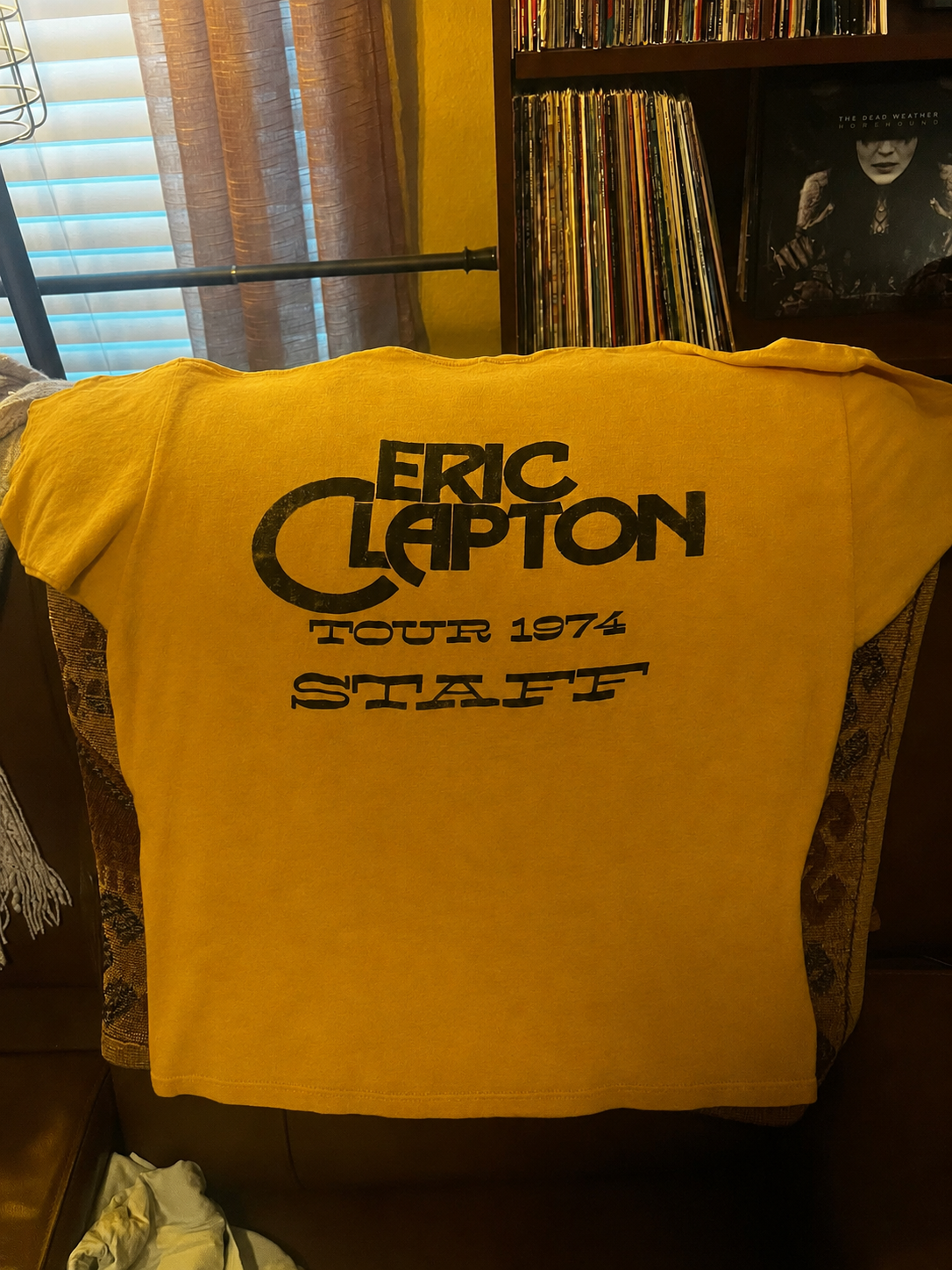
1974 Clapton Showco Staff shirt
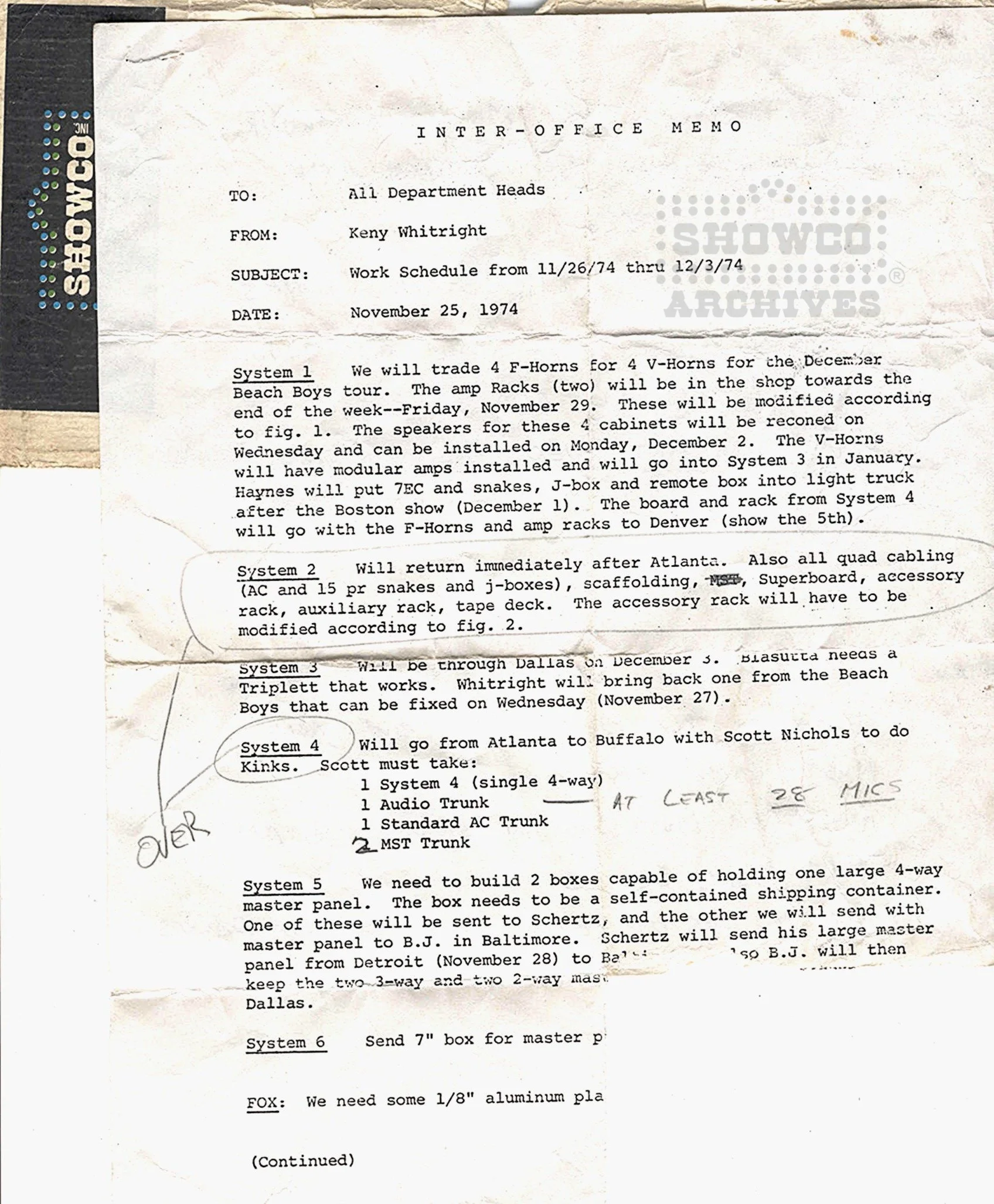
1974 inter-office memo re:Beach Boys equipment. From: Keny Whitright
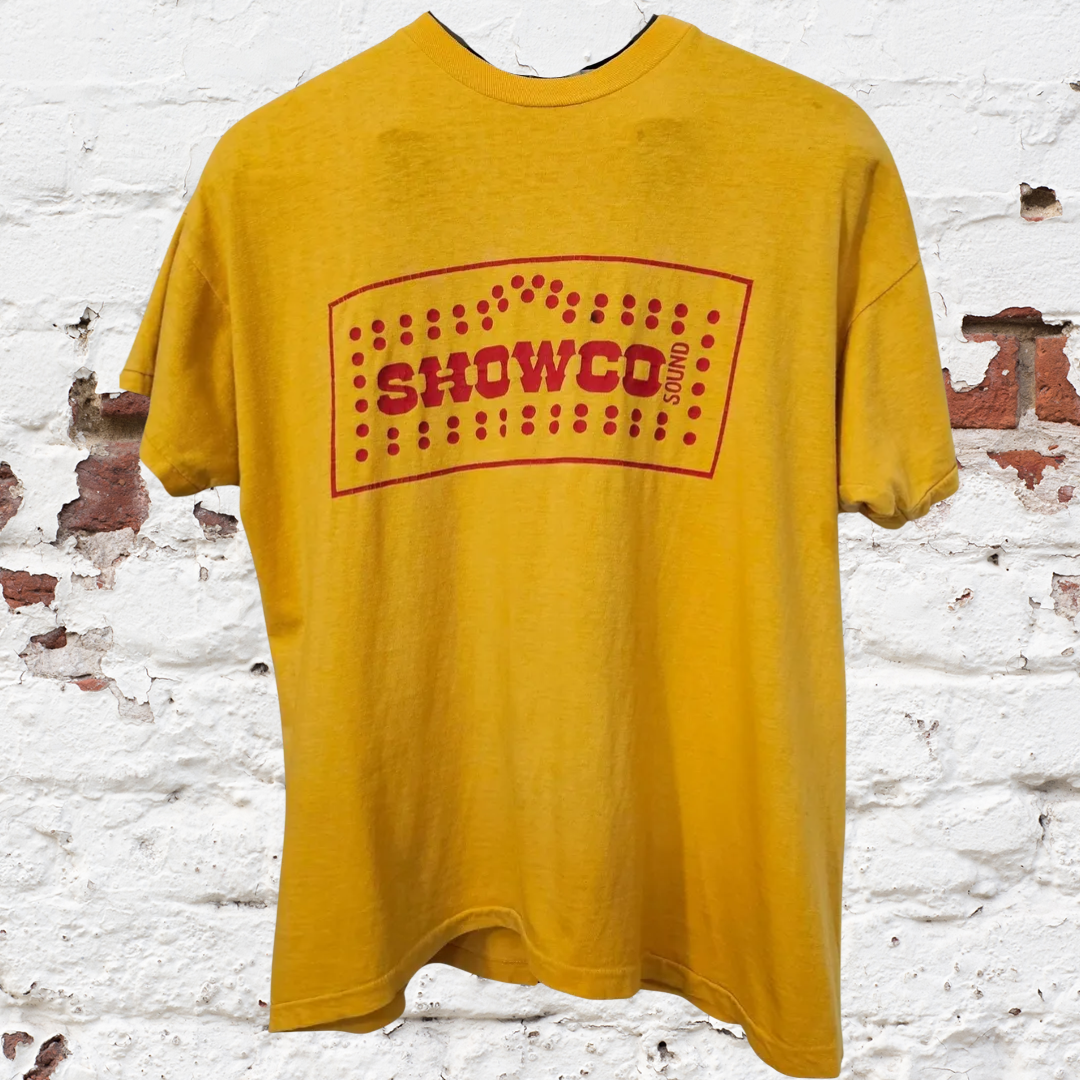
Showco Genesis 1974 American Tour shirt (front)
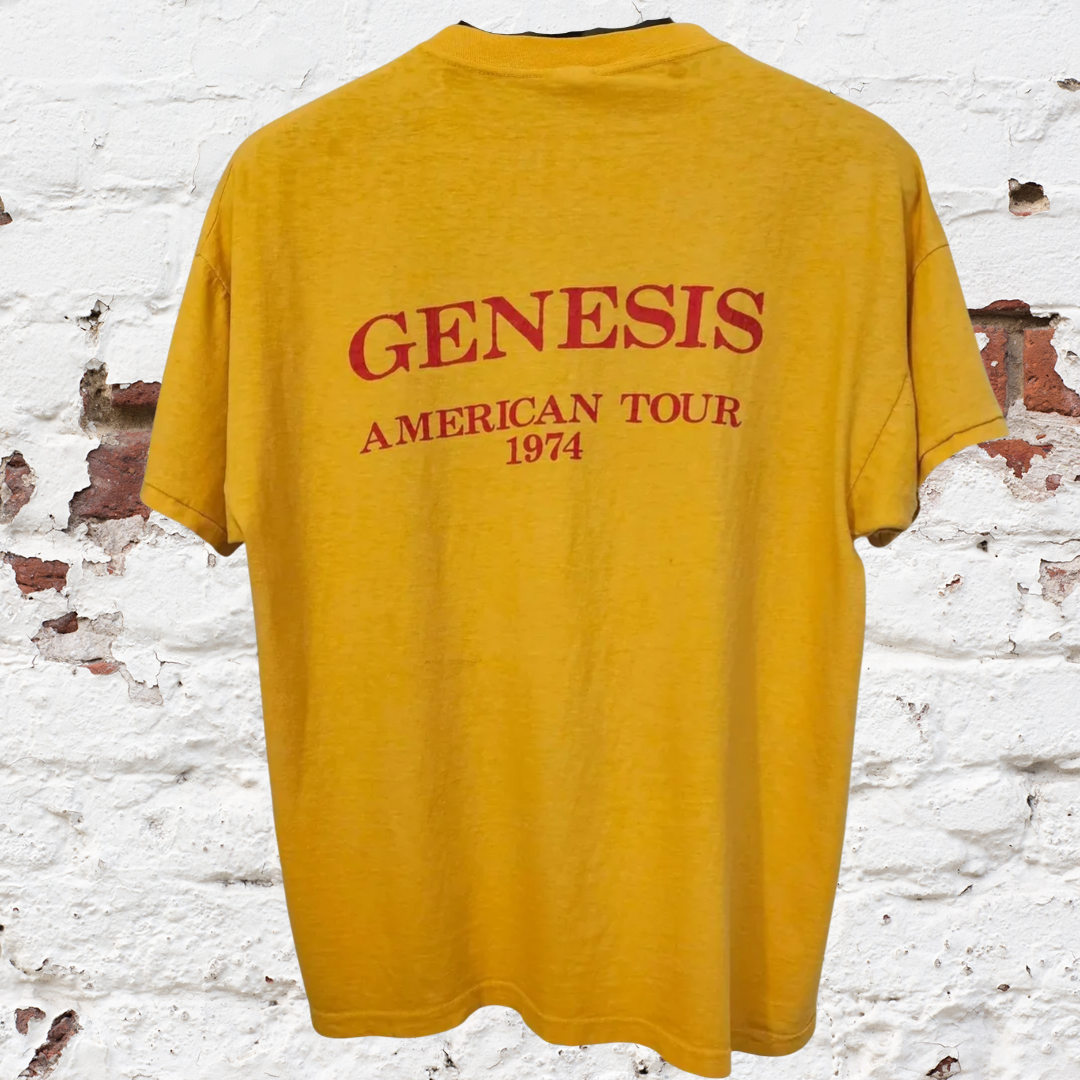
Showco Genesis 1974 American Tour shirt (back)
Mountain- Never in My Life-
Capital Theater Passaic NJ 12-30-73
Around 1972 and fresh out of Texas A&M engineering school, new Showco hire Jim Bornhorst sent his new concert PA mixer down to Mountain’s soundcheck when they were about to play in concert at Southern Methodist University. Bornhorst was confident that Mountain would love his new design and would become Showco’s newest client.
Reportedly halfway through the first song, Mountain blew out the PA, and Leslie West kicked the stage monitors into the McFarlin Auditorium orchestra pit! Back to the drawing board.
But clearly as you can hear from this Mountain live performance in late December 1973, Bornhorst and Showco wasted no time in designing and building a bullet-proof PA that could harness all that these hard rock bands could muster. Showco and Jim Bornhorst revolutionized the live music event business more than fifty years ago with designs and techniques which are still used around the world to this day. –Redbeard
Select an Artist or Event to View Ephemera (1970–1974)
View or download pieces of Showco history: