
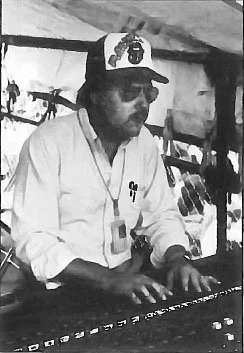
Jack Maxson
Showco Co-Founder • Audio Engineer • Mix Engineer • Entrepreneur • Vari-Lite Co-Founder
Showco: 1970–2000+
John DeGolyer “Jack” Maxson was a pioneering audio engineer, sound mixer, entrepreneur, and one of the founding figures behind Showco.
Working alongside Jack Calmes and Rusty Brutsche, Maxson helped establish Showco as a professional concert sound company in Dallas in 1970. What began as a small operation would grow into one of the most influential live production companies in the world, helping transform the way rock concerts sounded, traveled, and reached increasingly larger audiences.
Maxson was not simply a company executive. He was an experienced engineer who personally mixed major artists and helped guide Showco’s technical and operational development during the formative years of the modern concert touring industry.
Related histories: Meet Jack Calmes · Meet Rusty Brutsche · Meet David Alley · Meet Jim Bornhorst · Meet Chuck Conrad · Alumni Directory
Sources: Jim’s 2018 presentation and the Vari-Lite participant retrospective.
Before Showco
Before the creation of Showco, Maxson was already deeply involved in professional audio and media production.
He served as president and chief engineer of Delta Recording Company in Fort Worth, Texas, and was also associated with Spot Productions, a regional production company specializing in recorded audio, commercials, jingles, and broadcast material.
These early ventures gave Maxson hands-on experience in recording, engineering, production, and business management. That combination of technical knowledge and entrepreneurial vision would become essential as amplified rock music began outgrowing the public-address systems available in most venues.
The Founding of Showco
In 1970, Jack Maxson joined Jack Calmes and Rusty Brutsche in establishing Showco as a touring sound company. It followed the earlier Dallas concert-promotion business formed by Calmes and Angus Wynne in the mid-1960s. David Alley was also an important early principal; Billboard’s September 8, 1973 feature identified Alley, Calmes, Brutsche, and Maxson as the four principals running Showco.
The young company entered an industry that barely existed. Most venue sound systems had been designed to amplify announcements or speech—not the volume, dynamic range, and complexity of a live rock band.
Showco approached concert sound as a complete touring system. Equipment, engineering, transportation, maintenance, setup, and trained personnel all had to work together night after night in different venues and under constantly changing conditions.
Beginning with a small collection of trucks and sound systems, Showco developed powerful, portable equipment built specifically for touring. Its engineers and technicians brought a new level of consistency and professionalism to concert production.
Maxson’s engineering experience, attention to detail, and calm leadership helped establish the standards upon which Showco built its reputation.
Behind the Console
Jack Maxson brought practical mixing and recording experience to Showco’s equipment development. He wrote the specifications for the Superboard touring console; Rusty Brutsche handled its mechanical design, and Jim Bornhorst designed the electronics and circuit boards. This followed earlier mixer and console work by Chuck Conrad.
Showco’s touring work included the artists below. These company credits should not be read as a list of tours personally mixed by Maxson:
The Rolling Stones
Led Zeppelin
Paul McCartney and Wings
David Bowie
James Taylor
Three Dog Night
Steppenwolf
The Who
And many others
As both an engineer and company leader, Maxson understood the realities of touring from the ground up. He knew that advanced equipment was only valuable when it remained dependable under the pressure of travel, changing venues, large crowds, limited setup time, and live performance.
Those experiences informed Showco’s continued development of loudspeaker systems, processing equipment, mixing consoles, touring packages, and operating procedures.
Building the Modern Concert Experience
Showco’s contribution extended far beyond making concerts louder.
The company helped establish the idea that touring sound should be designed as an integrated professional system rather than assembled from whatever equipment happened to be available at a venue.
Showco developed and refined equipment capable of reproducing the wide dynamic range of live music with greater power, clarity, and consistency. Its systems traveled with the artist, allowing audiences in different cities to experience a more reliable performance.
The company also helped professionalize the people behind the equipment. Showco engineers, technicians, designers, builders, and road crews became an essential part of the touring production itself.
By the 1970s and 1980s, Showco was supporting many of the largest artists and productions in the world.
From Showco to Vari-Lite
Maxson’s influence also extended into concert lighting.
In 1980, Jim Bornhorst, Tom Walsh, and John Covington developed a remotely controlled color-changing lighting prototype at Showco. Maxson suggested adding movement, expanding a color-changing project into a light that could also change its position.
Turning that suggestion into touring equipment required optical, mechanical, electronic, and control-system development. Brooks Taylor wrote software for the touring system, while Rusty Brutsche supported the project and helped secure backing from Genesis and manager Tony Smith.
That Showco project led to the formation of Vari-Lite in 1981.
The original VL1 system introduced computer-controlled movement and rapidly changing color to the concert stage. The technology made its public debut with Genesis during the opening of the band’s Abacab tour in Barcelona on September 25, 1981.
Vari-Lite changed the visual language of live entertainment. Lighting fixtures could now move, change color, and create repeatable effects under computerized control, allowing designers to treat lighting as a fully choreographed element of the performance.
As a Showco partner and Vari-Lite co-founder, Maxson helped support the environment in which this revolutionary technology was conceived, engineered, tested, and brought to the stage.
Emmy Award-Winning Technology
Vari-Lite’s technical achievements received three Primetime Engineering Emmy Awards:
1991 — Vari-Lite Series 200 Lighting System
1994 — VL5 Wash Luminaire
2001 — Virtuoso Lighting Control Console
These awards recognized technological advancements that had transformed lighting for concerts, television, theater, and live events.
The honors reflected not only the individual products but also the culture of experimentation and engineering that had grown from Showco.
Showco’s Continuing Legacy
Showco continued to expand its influence throughout the following decades, supporting major concert tours and advancing the systems, practices, and technologies used in live production.
In 2000, Showco was acquired by Clair Brothers, now Clair Global. The acquisition brought together two of the most important names in professional touring sound.
Although the Showco name was no longer operated as an independent touring company, its equipment, engineering knowledge, training practices, alumni, and culture continued to influence the concert production industry.
Beyond Rock & Roll
Although Jack Maxson spent much of his professional life helping create the modern rock concert, his personal musical interests extended well beyond rock music.
He possessed an extensive knowledge of classical music and also appreciated jazz, big-band music, and pipe-organ performances. Friends and colleagues remembered him as intelligent, dignified, technically gifted, generous, and remarkably calm—even under the pressures of major touring productions.
Maxson also supported cultural and historical institutions in North Texas, including the Museum of the American Railroad in Frisco and the Dallas Arboretum and Botanical Garden.
His involvement reflected a broader interest in engineering, history, preservation, music, and the institutions that safeguard those legacies.
Personal Life
Jack Maxson was born in Dallas, Texas, on March 11, 1940, the eldest child of John Sherman Maxson and Virginia Nell DeGolyer Maxson.
He graduated from St. Mark’s School of Texas in 1958 and later attended the University of Oklahoma.
Maxson was the grandson of geophysicist, petroleum geologist, collector, and philanthropist Everett Lee DeGolyer. The DeGolyer family’s contributions to Dallas included the development of collections and institutions devoted to science, history, literature, art, and education.
Jack was the father of Margaret DeGolyer “Peggy” Maxson. He was married first to Margaret Paulson and later to Sally Stocker Maxson.
He died in Dallas on October 21, 2016, at the age of 76.
Remembering Jack Maxson
Jack Maxson helped build more than a successful company.
He helped build the technical foundation of the modern touring concert.
Through Showco, he contributed to a new standard of powerful, portable, professionally engineered sound. Through Vari-Lite, he helped foster the development of technology that permanently changed stage lighting. Through his work as a mixer, engineer, entrepreneur, mentor, and leader, he helped elevate the people behind the scenes into a skilled and respected profession.
Every modern concert production carries some part of the world Jack Maxson and his fellow Showco pioneers helped create.
His legacy remains present in the equipment, engineering practices, touring systems, production companies, and generations of professionals who followed.
Jack Maxson was part of the foundation upon which Showco—and the modern concert production industry—was built.
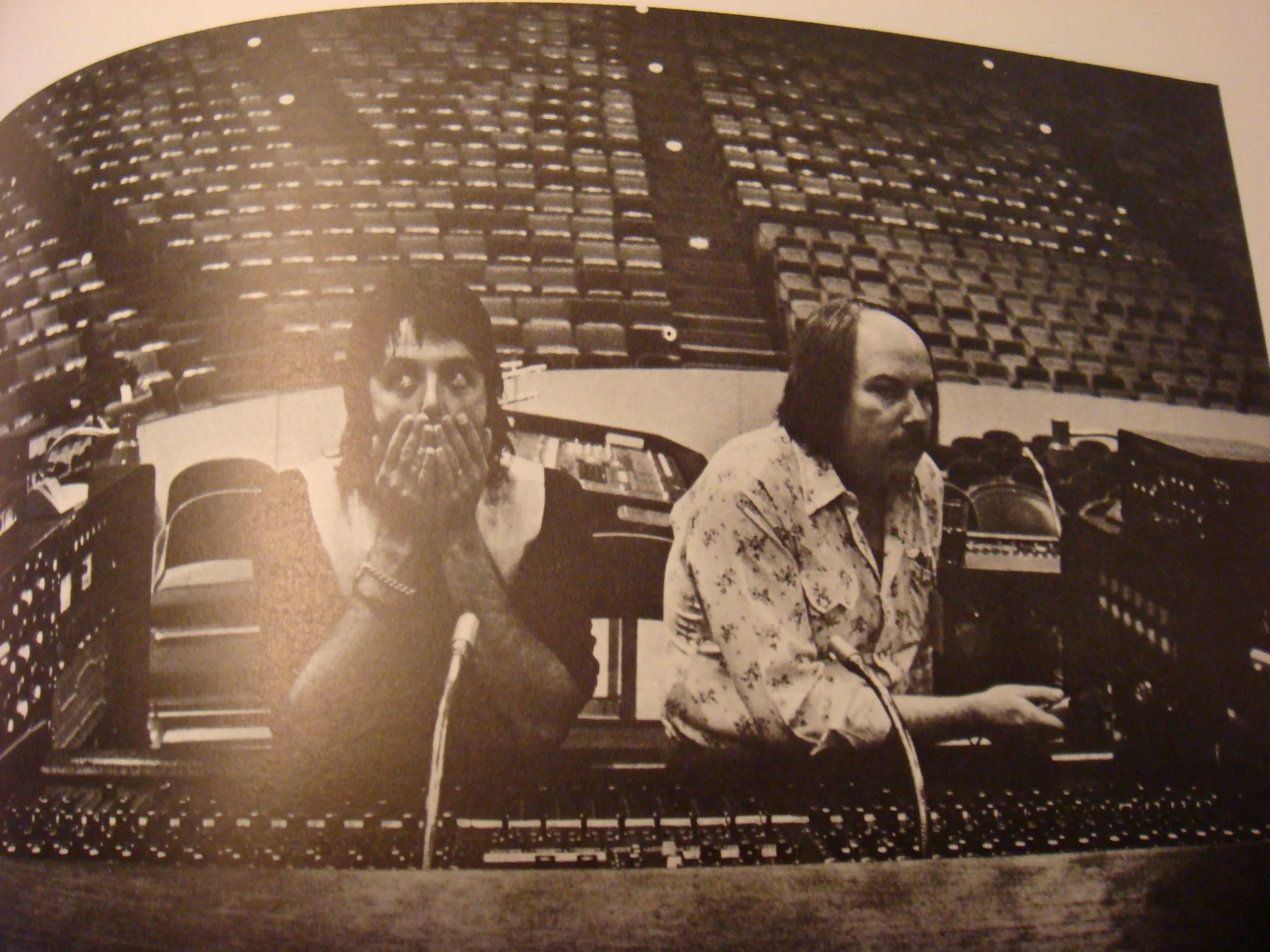
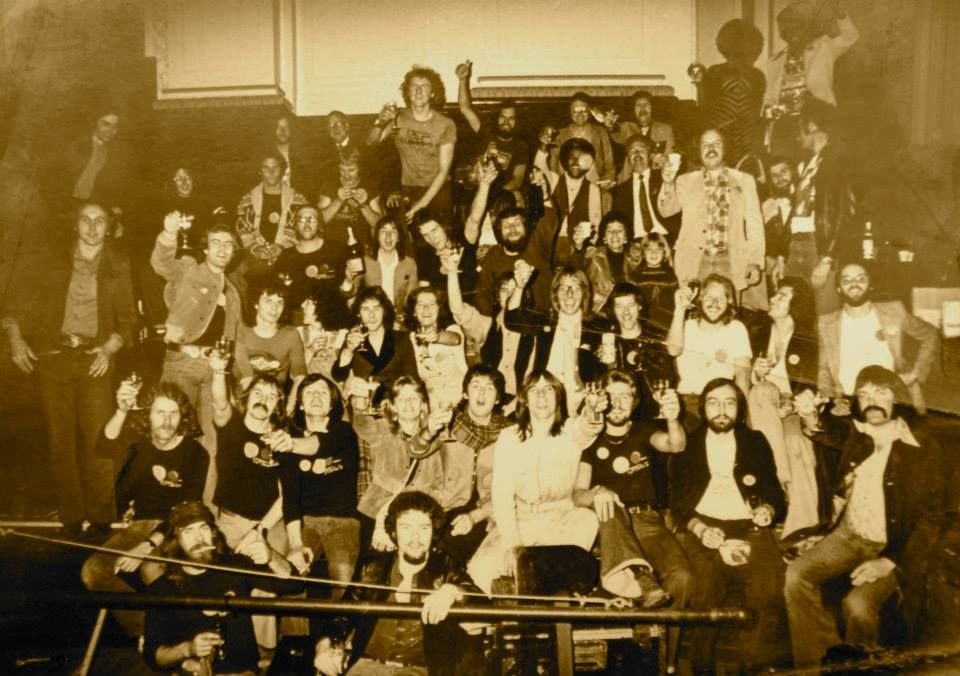
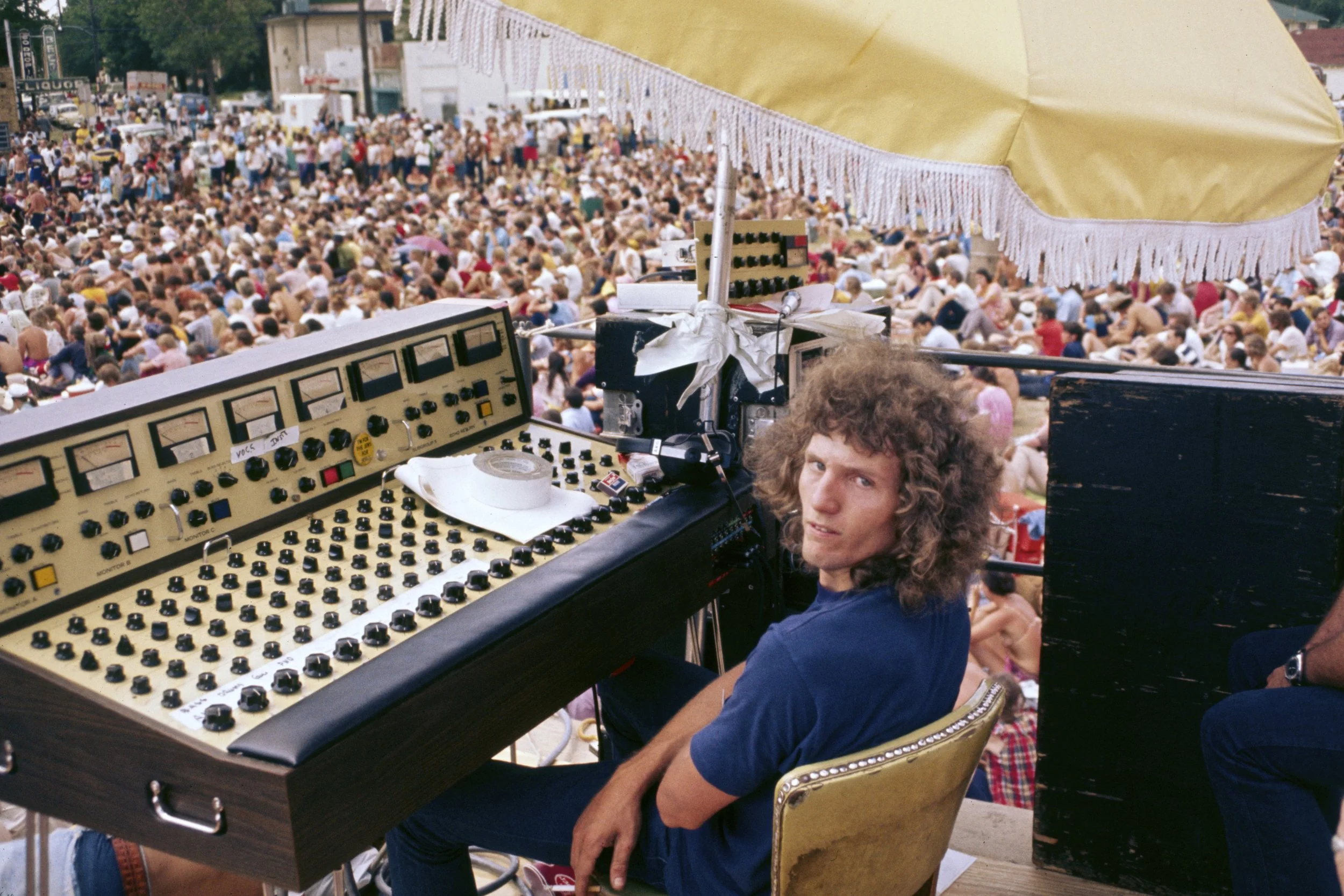
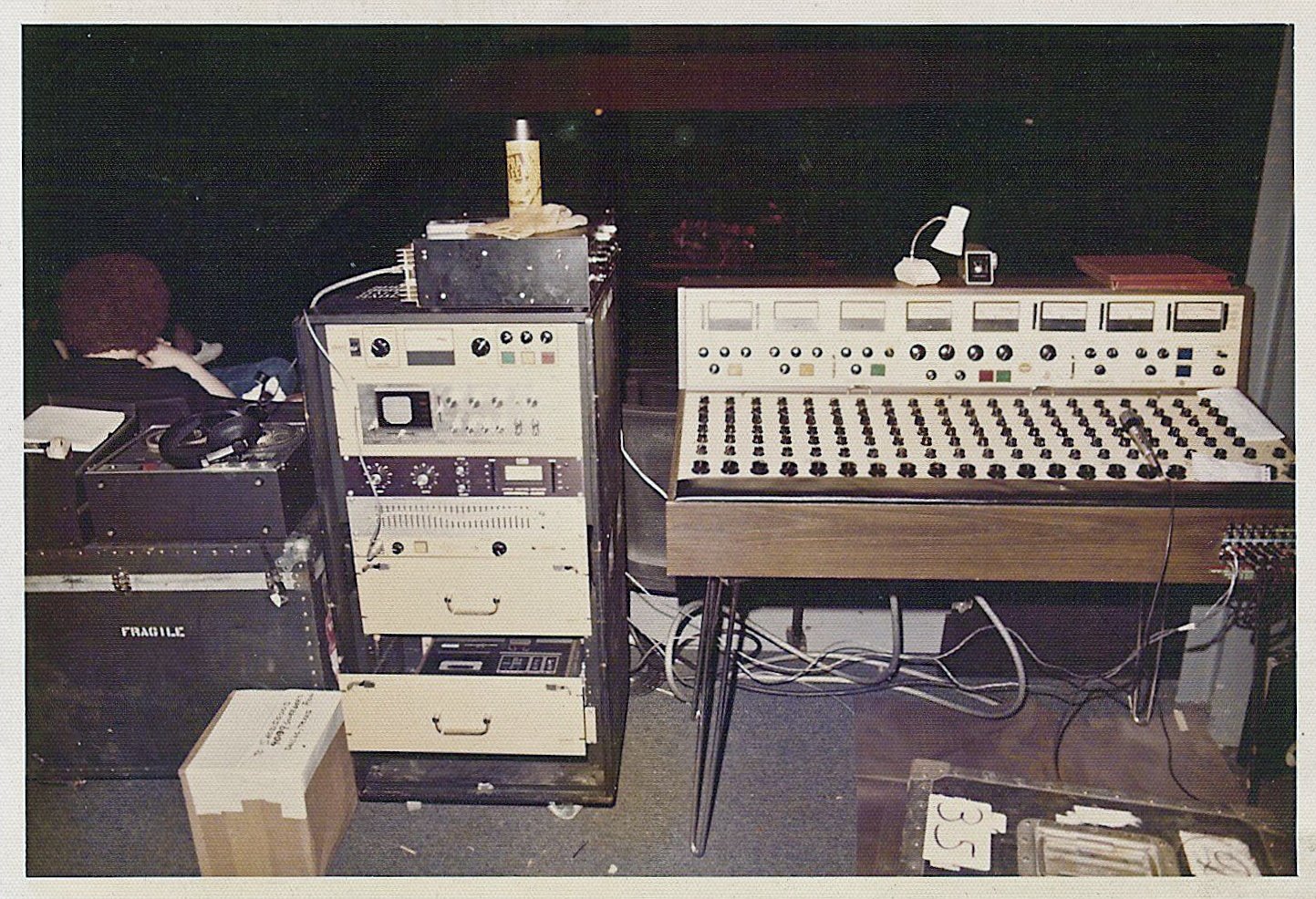
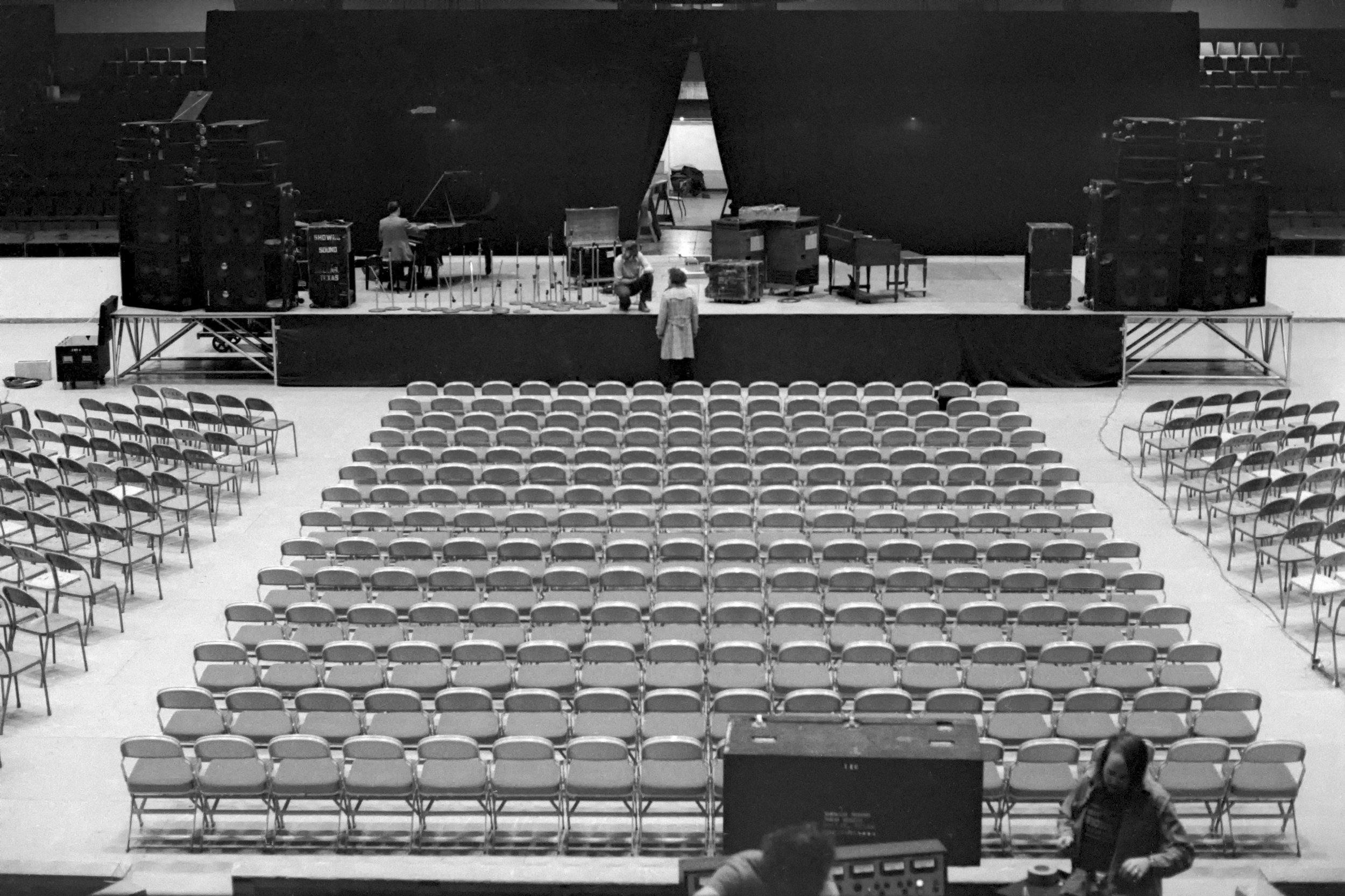
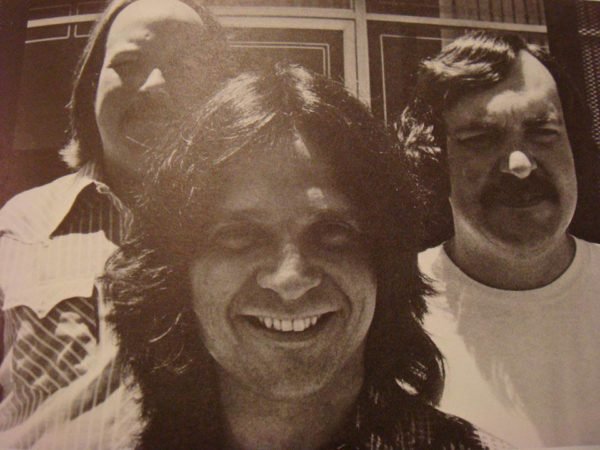
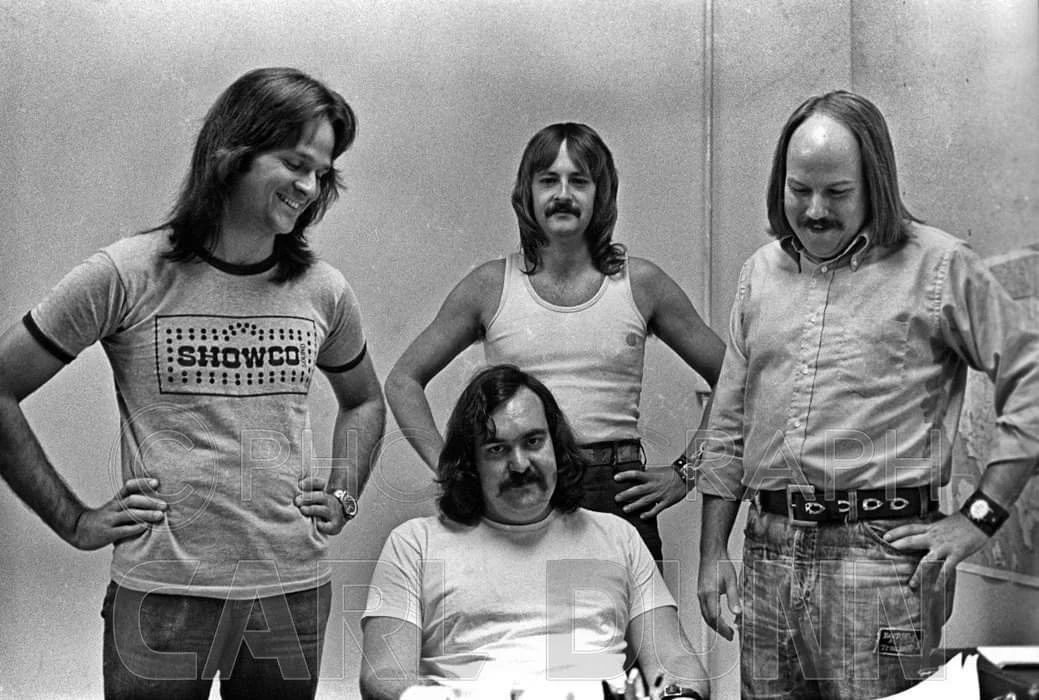
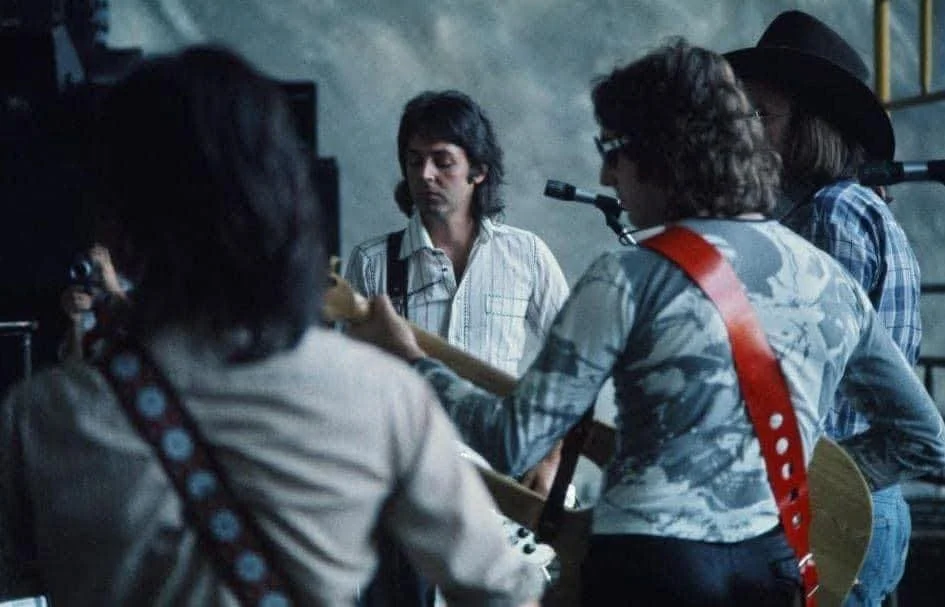
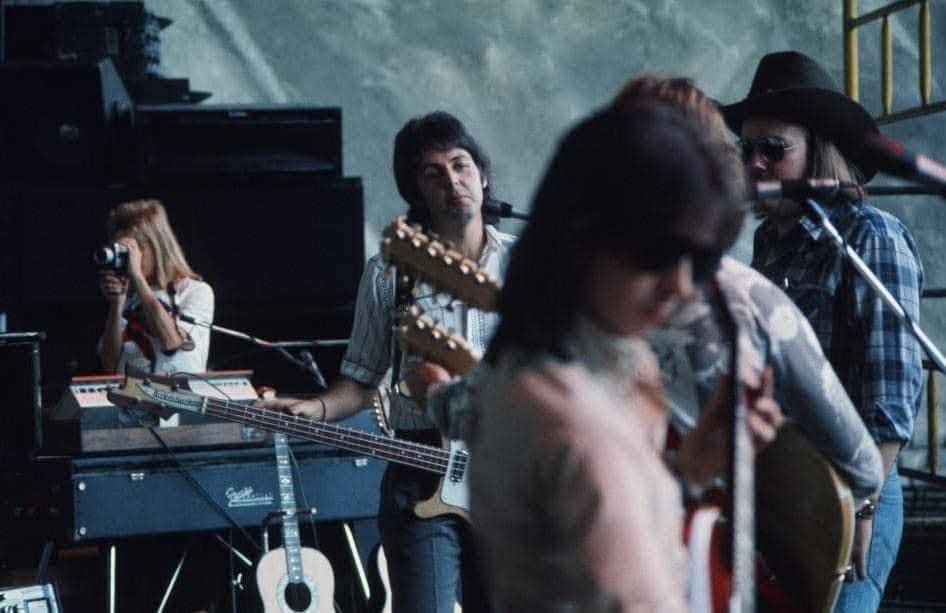
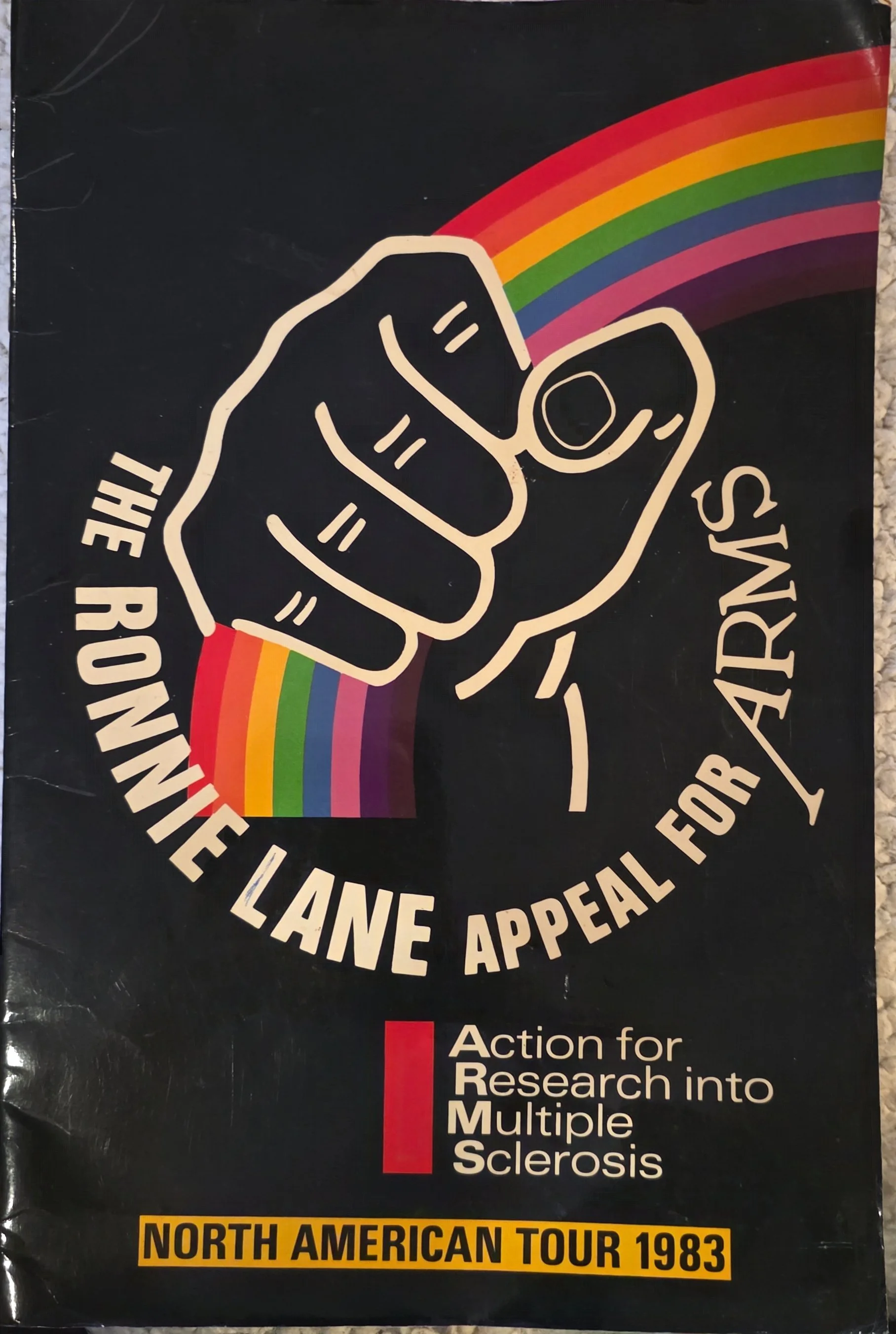
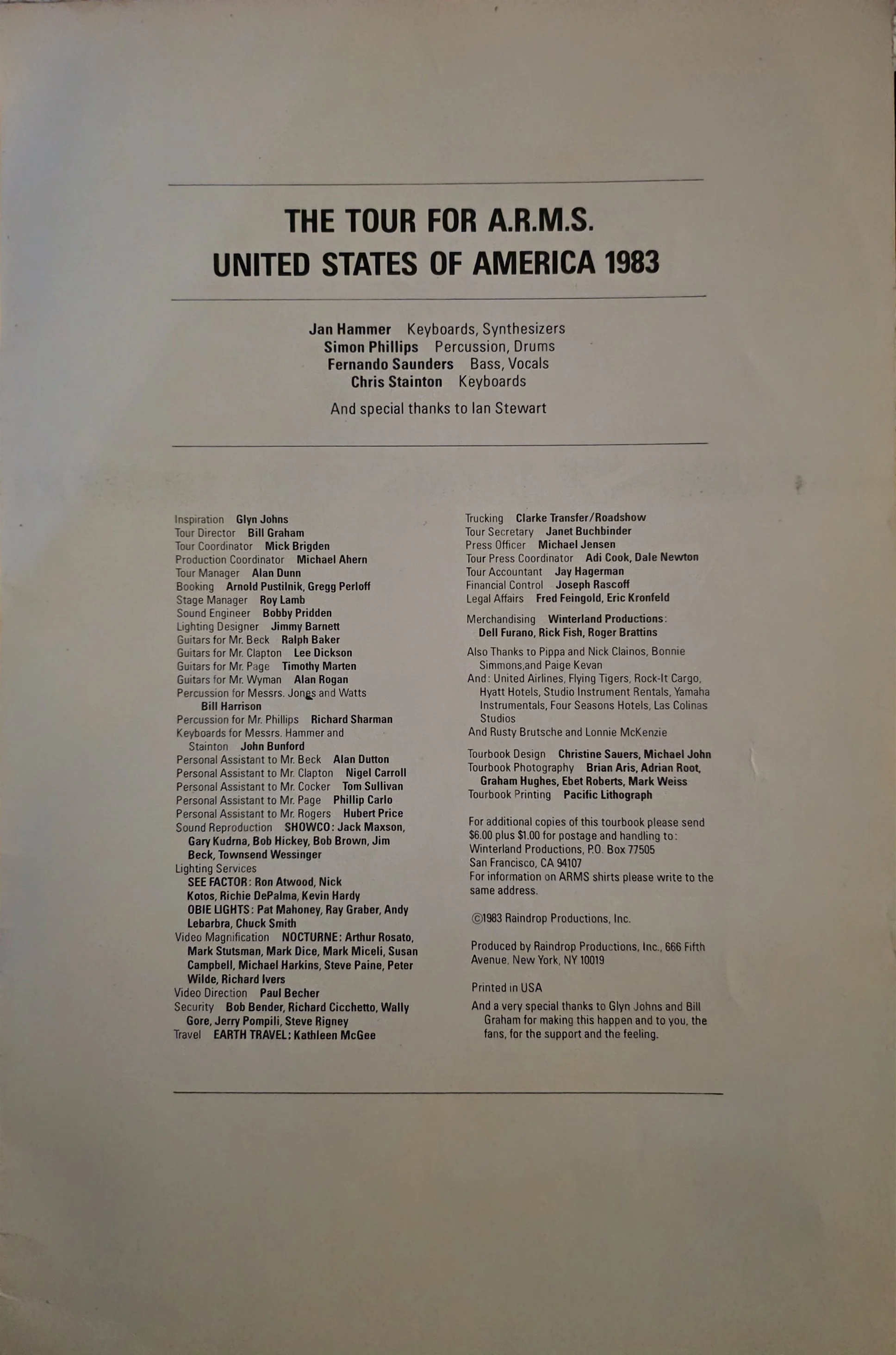
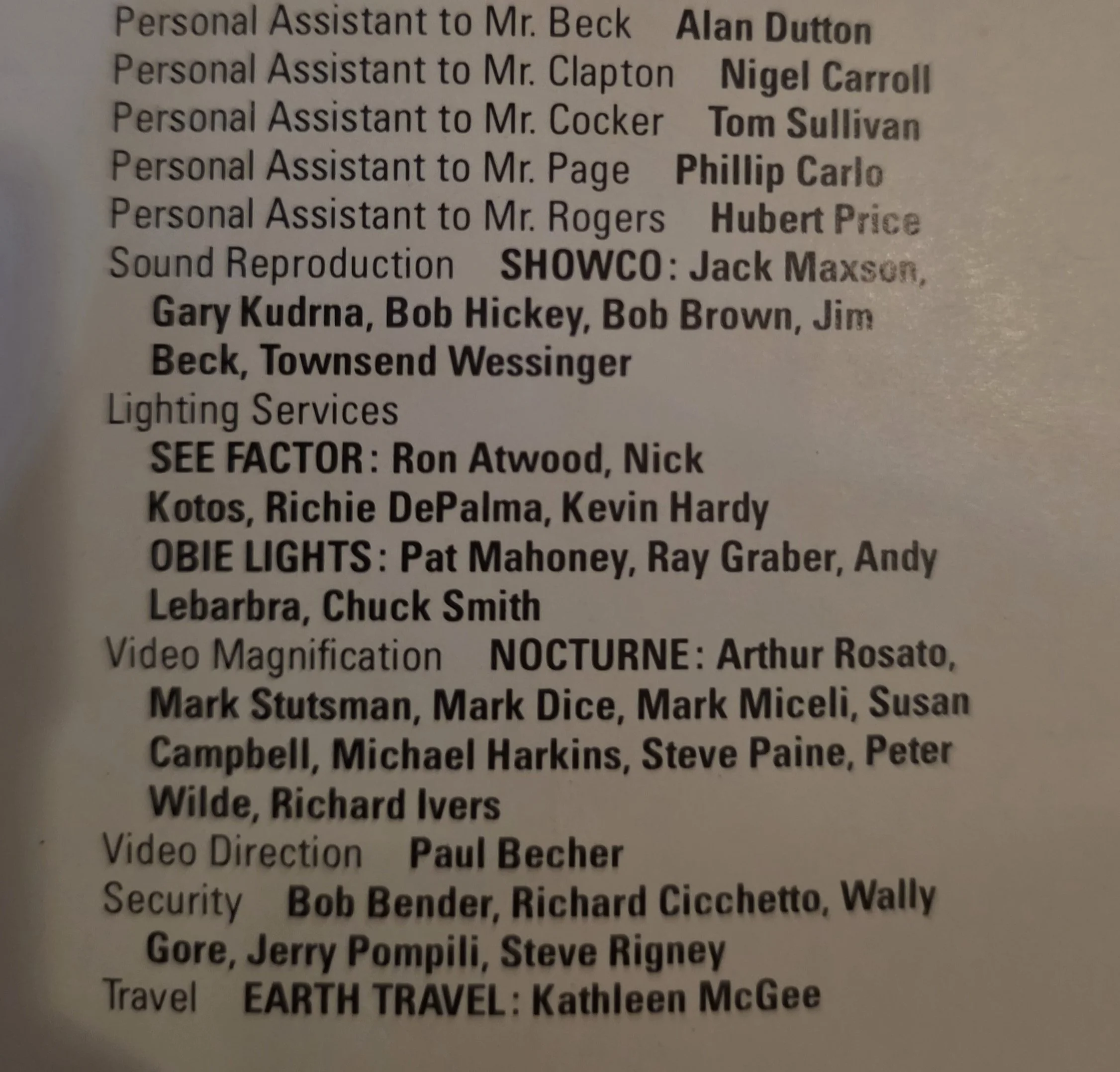
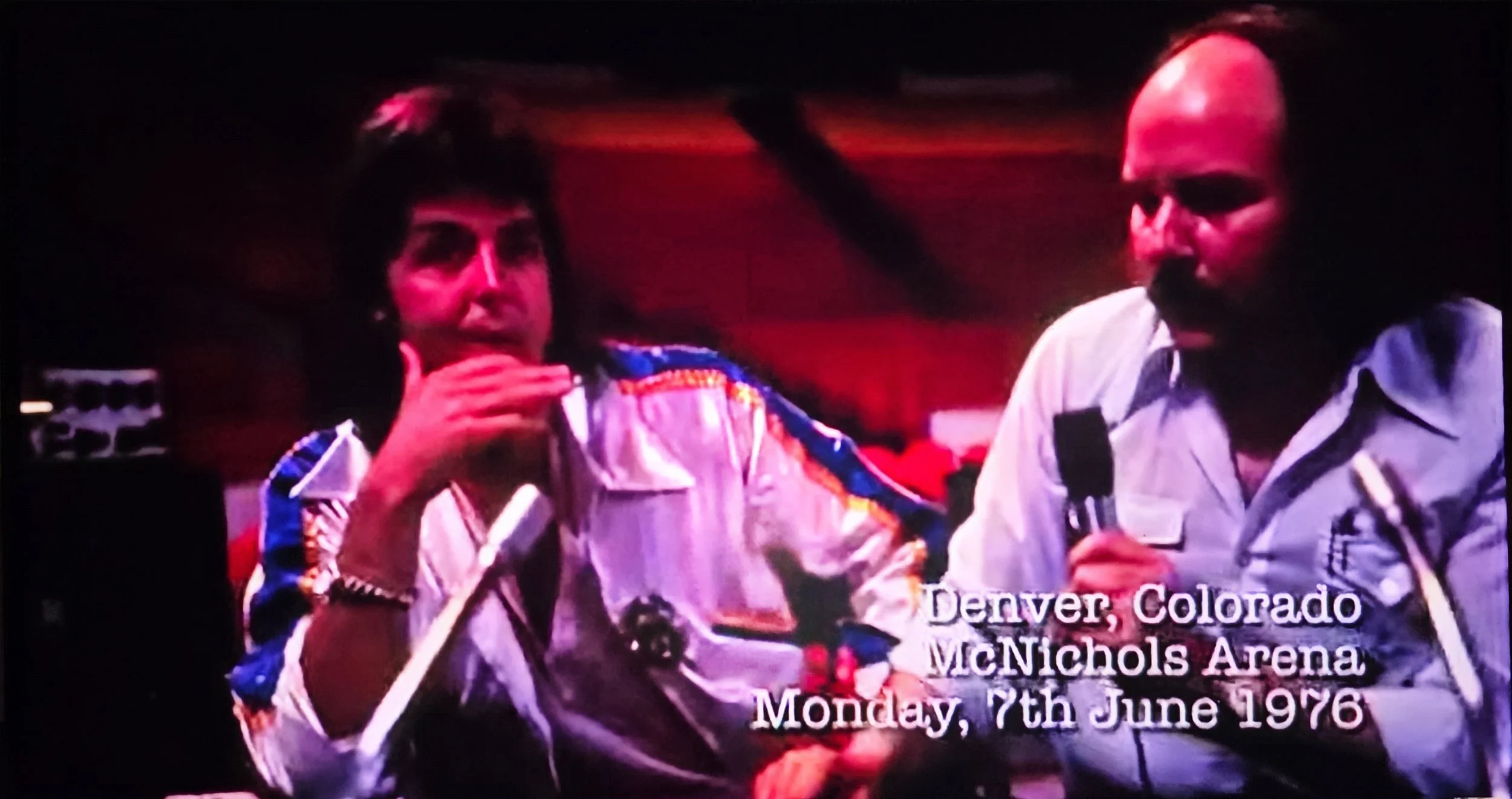
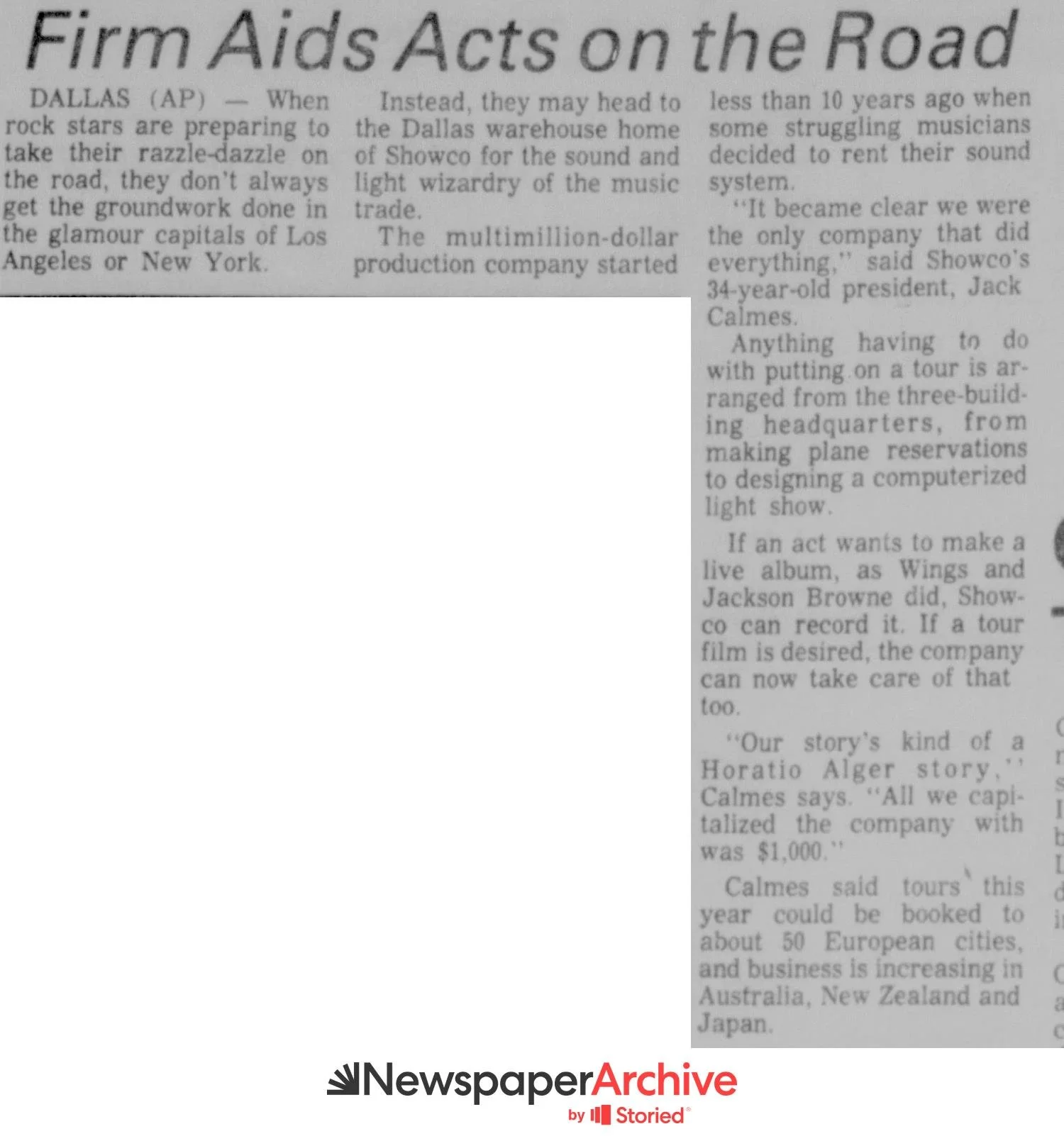
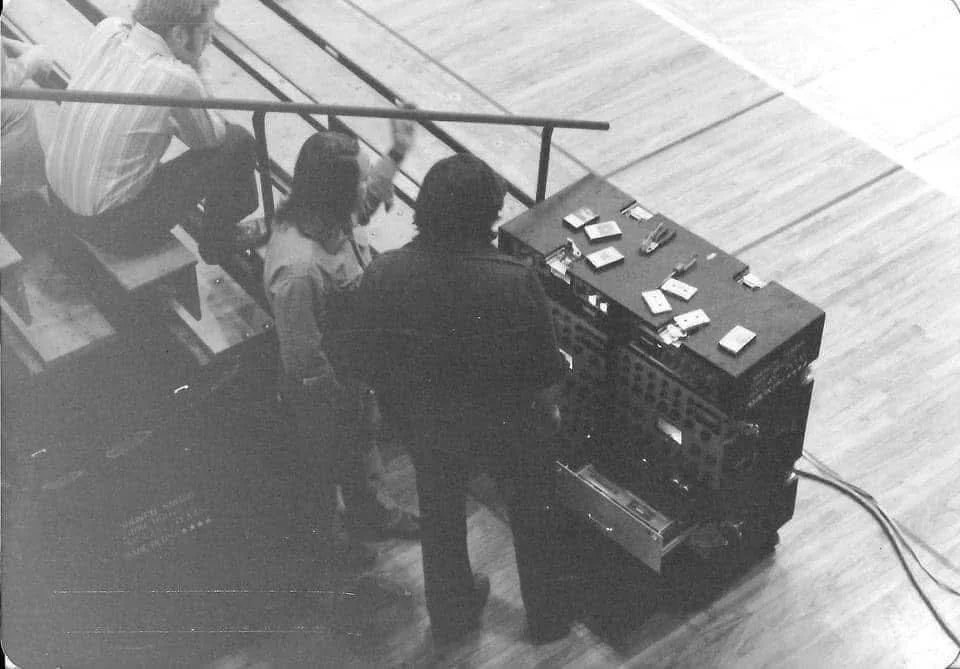
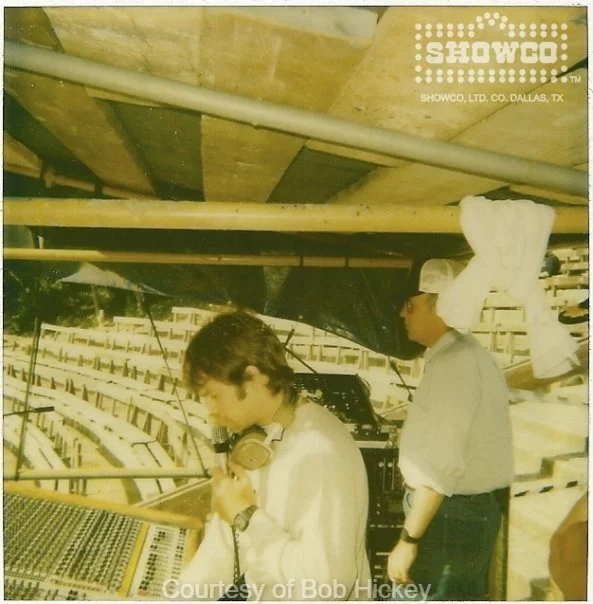
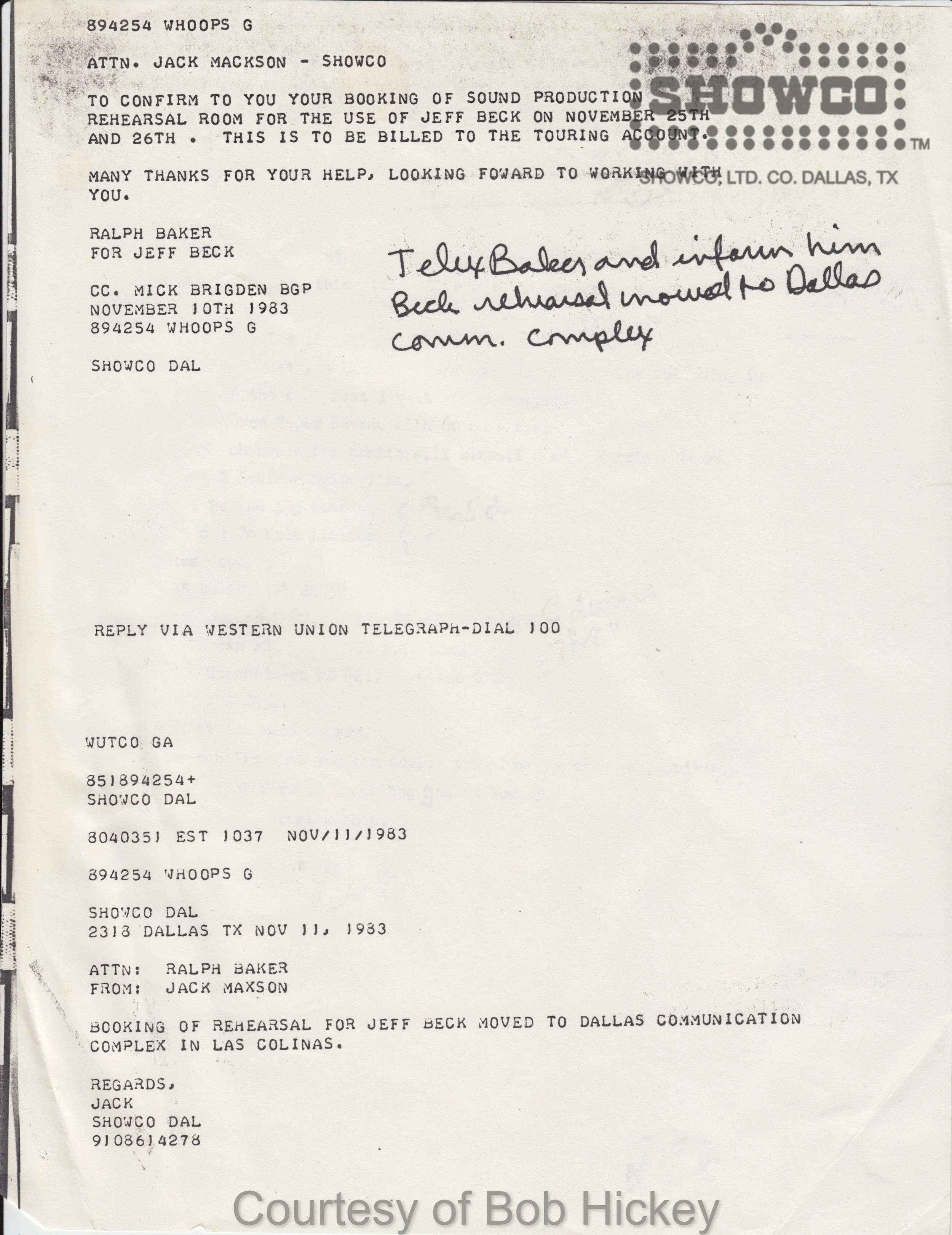
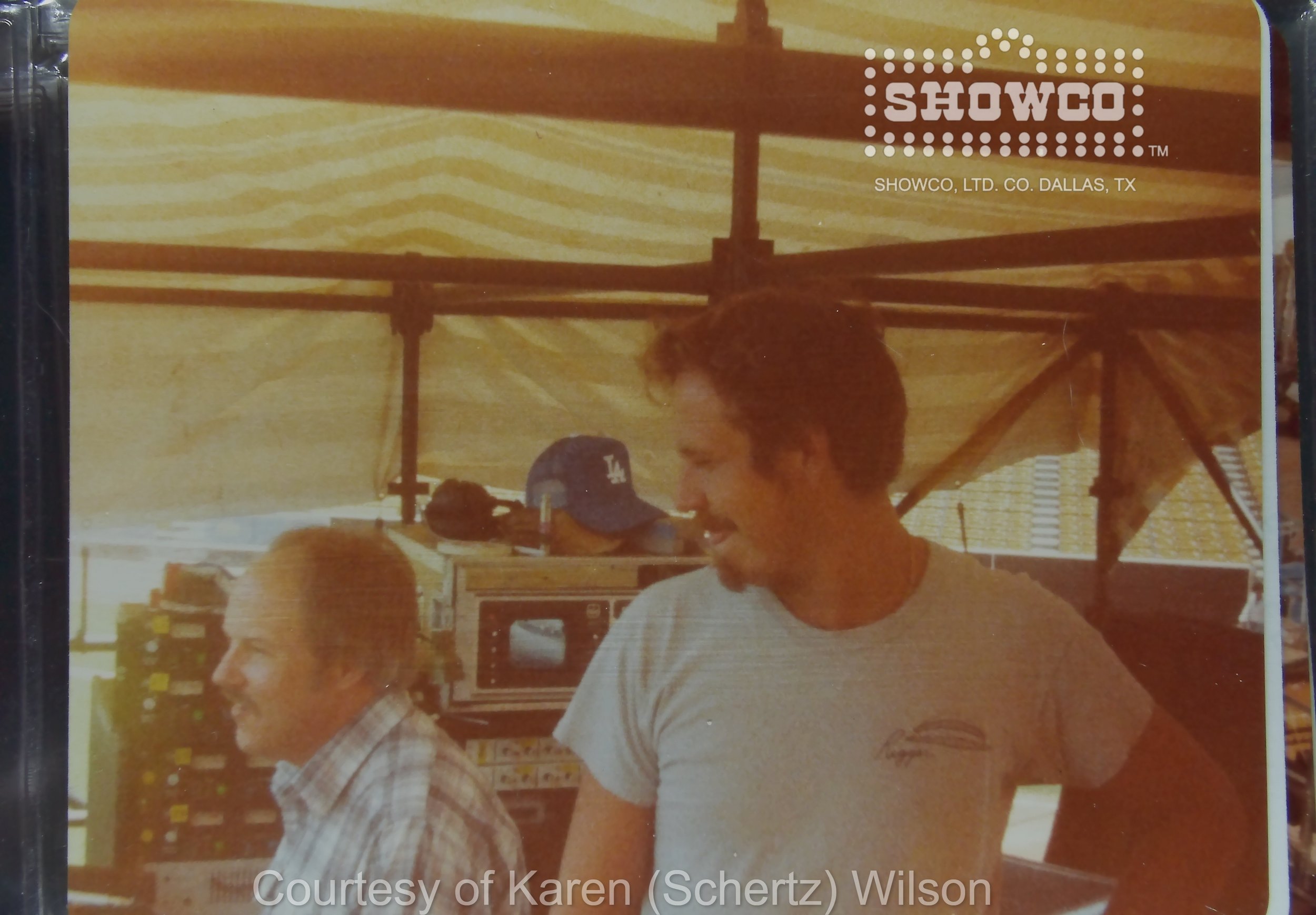
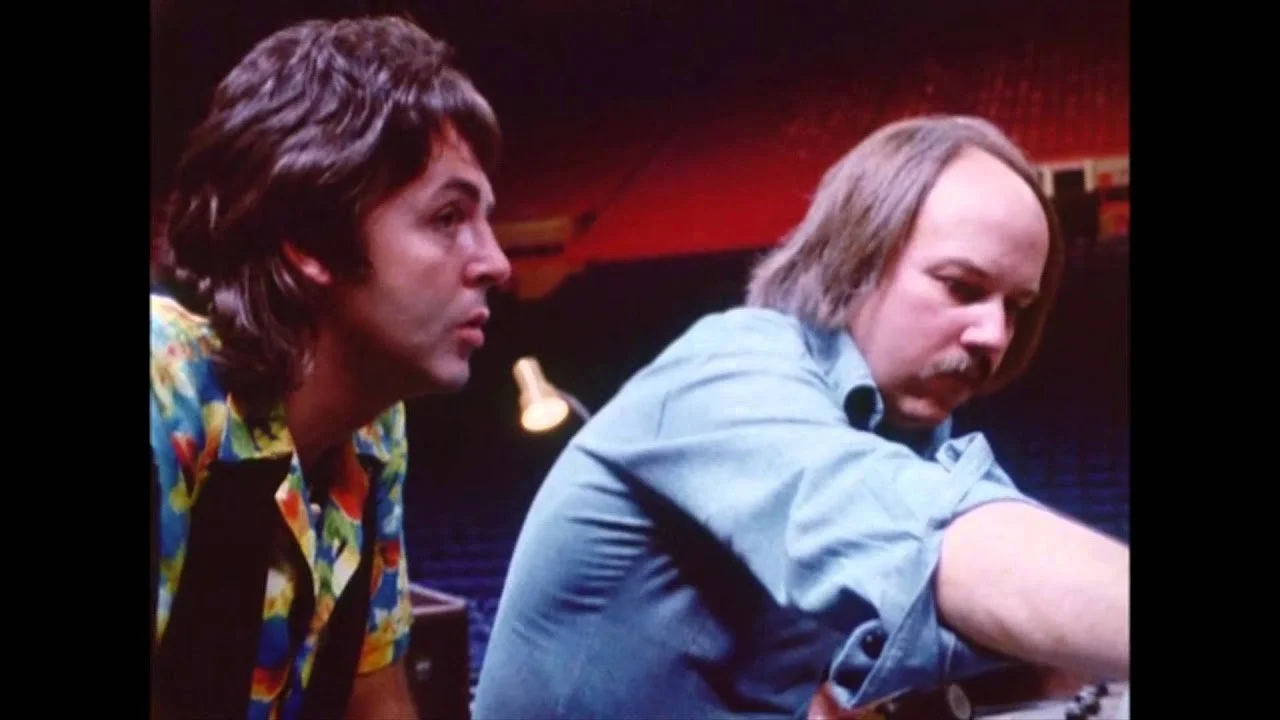
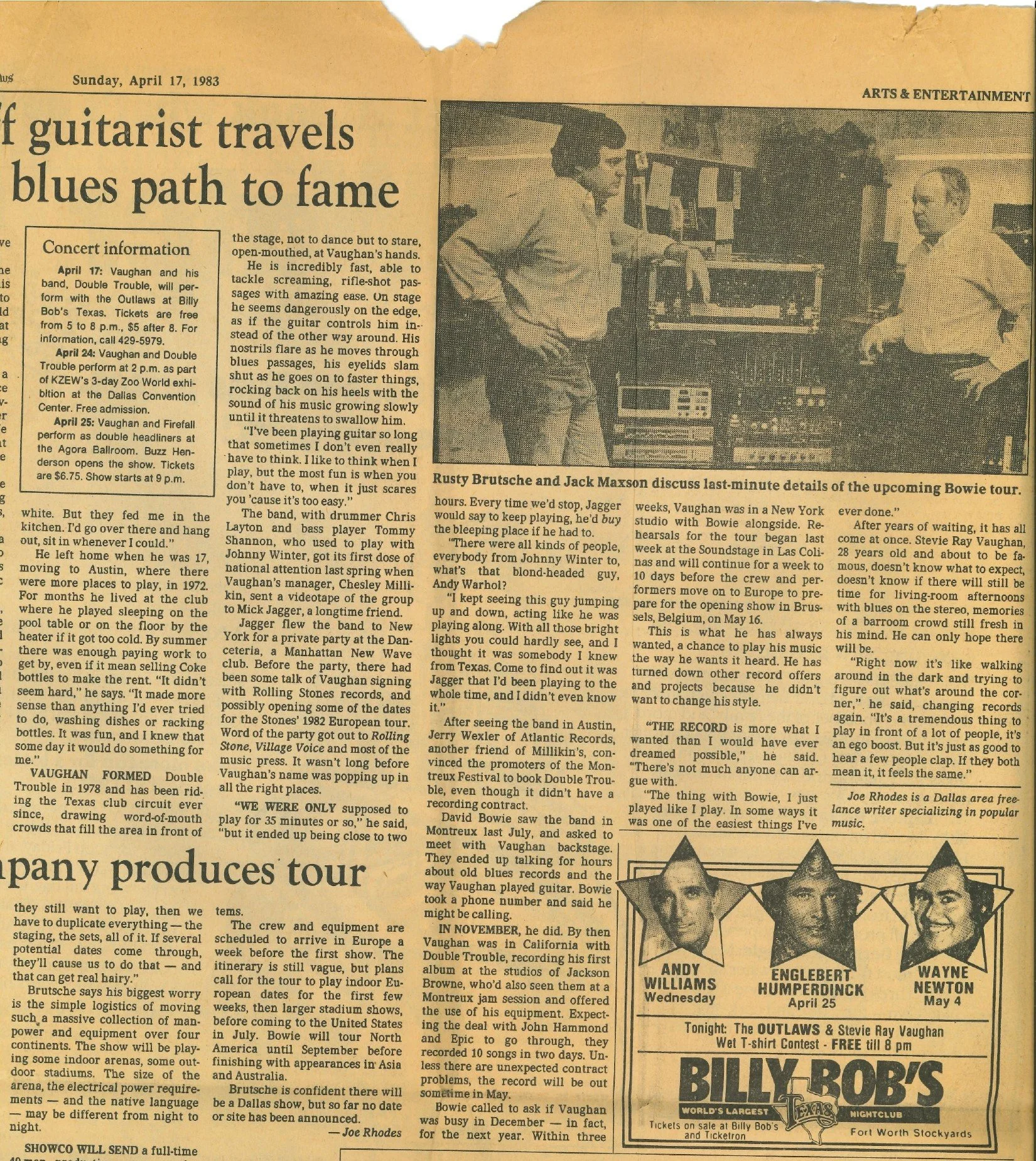
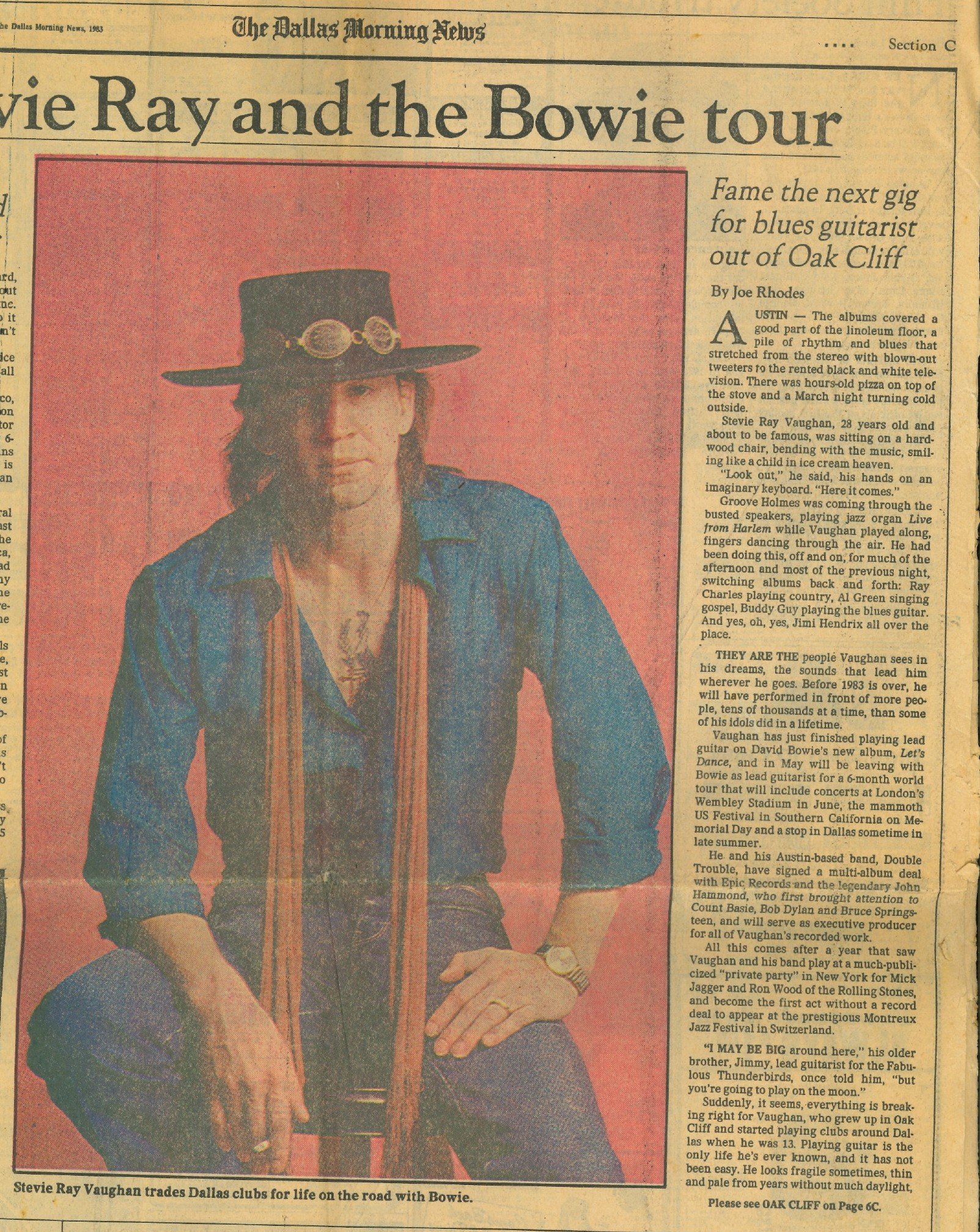
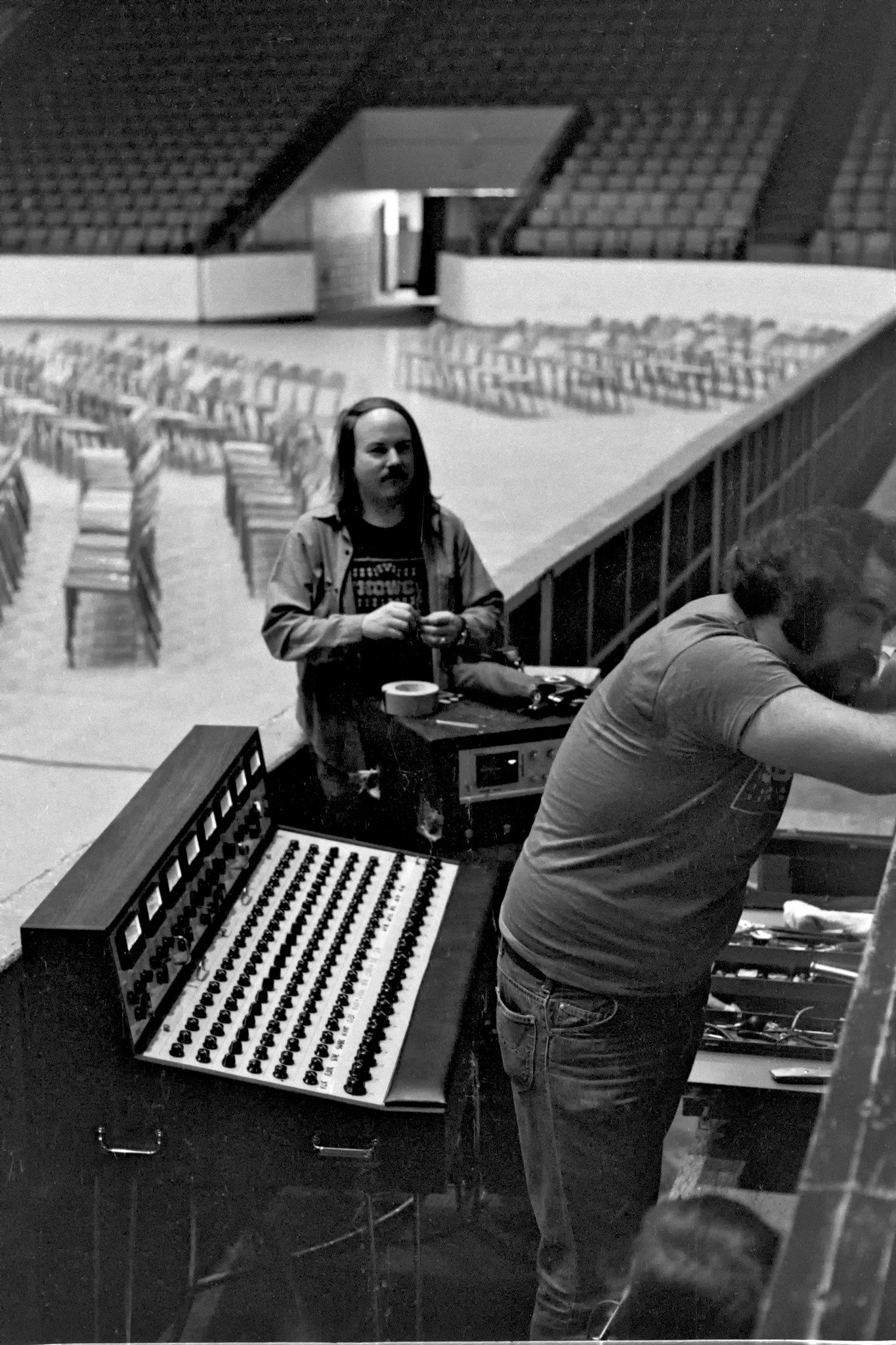
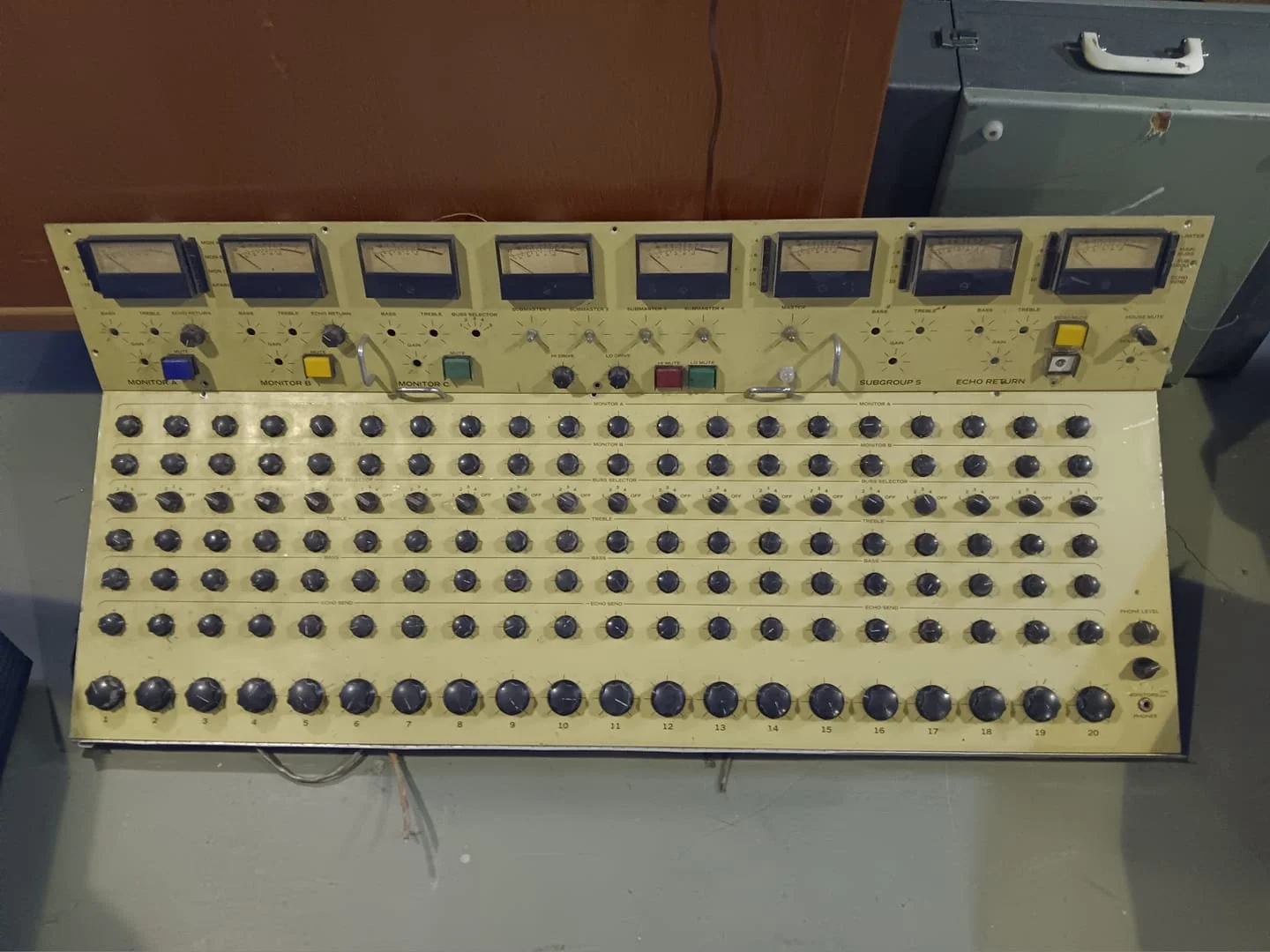
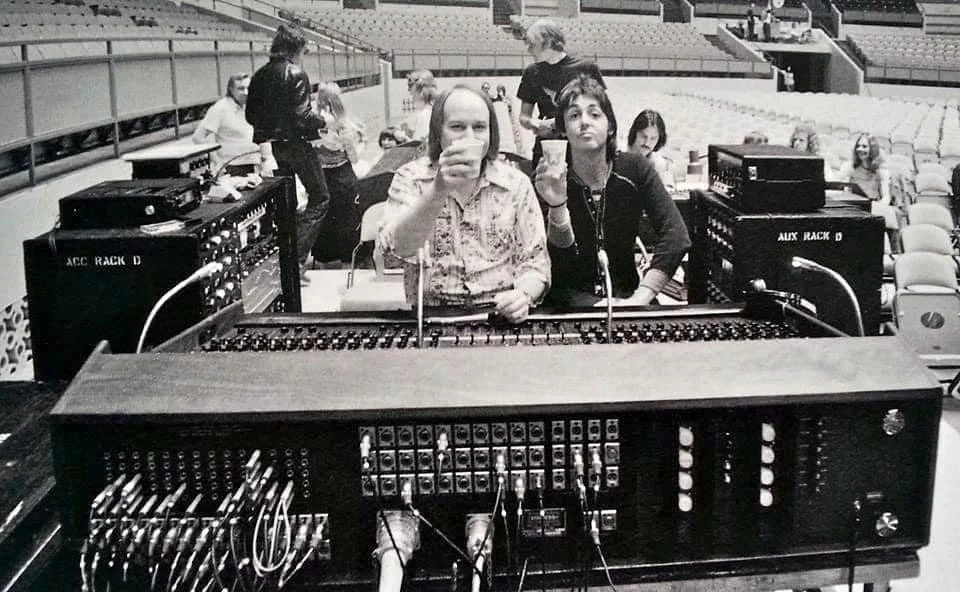
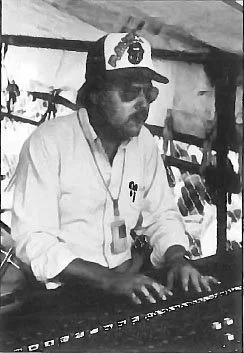
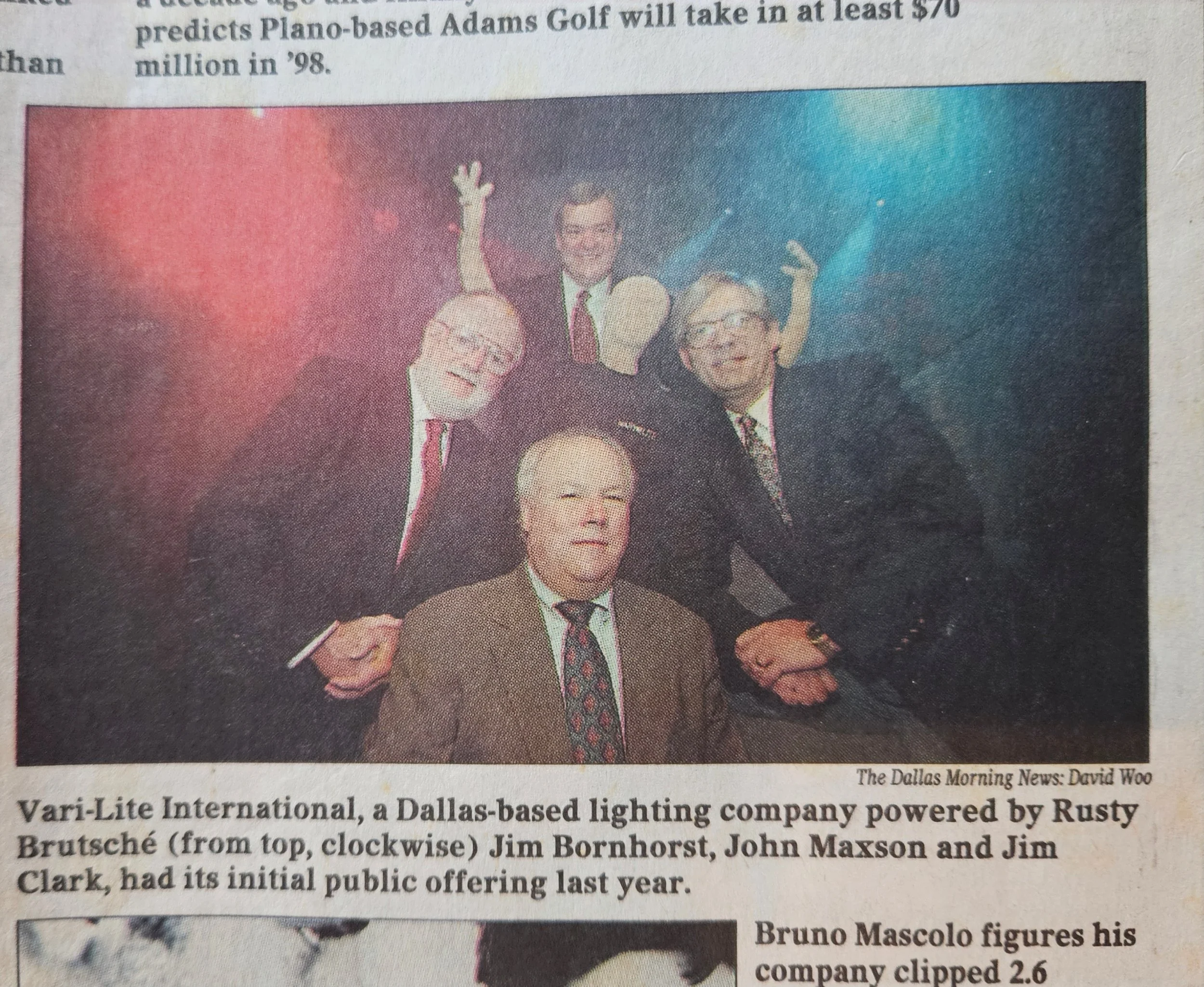
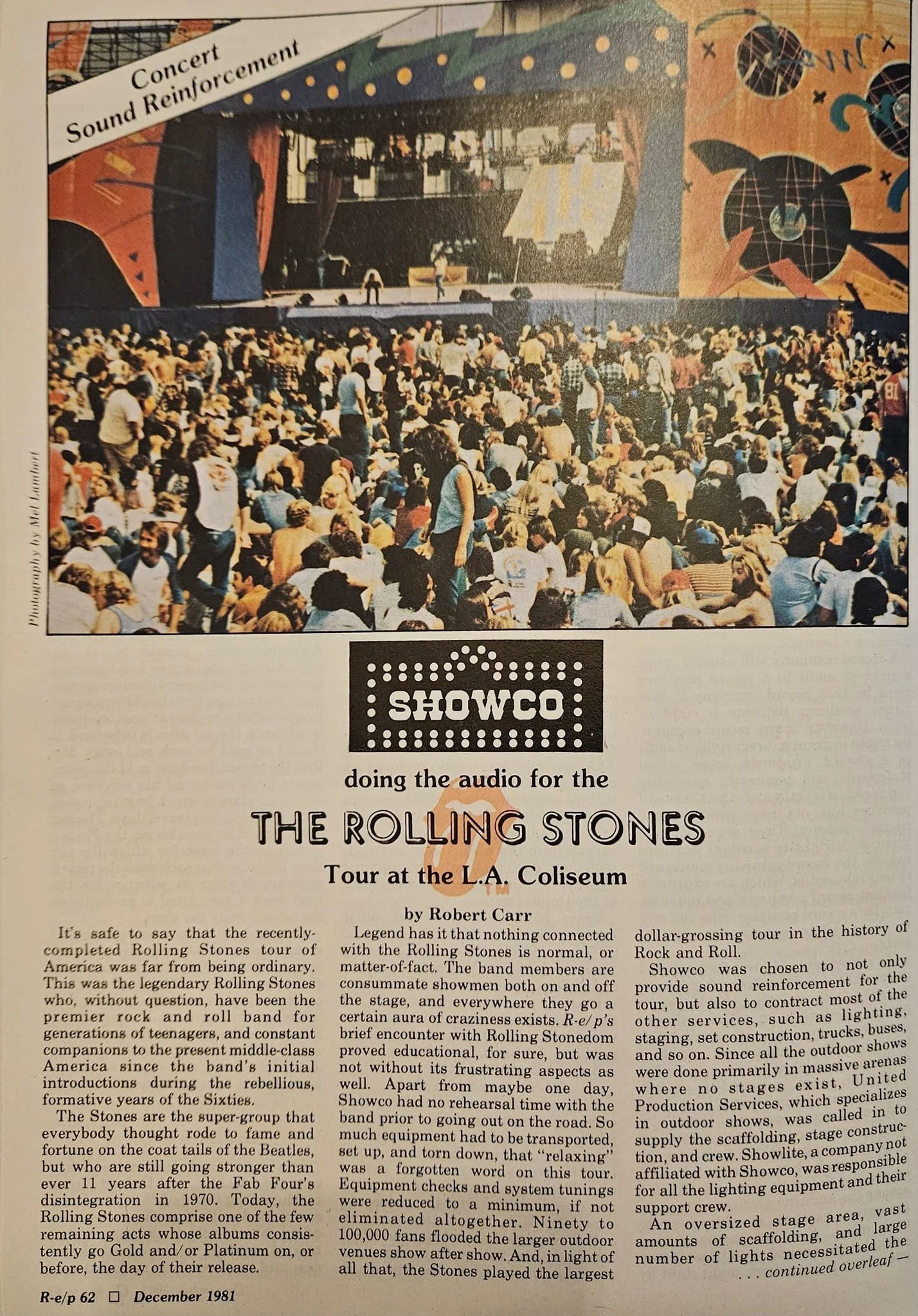
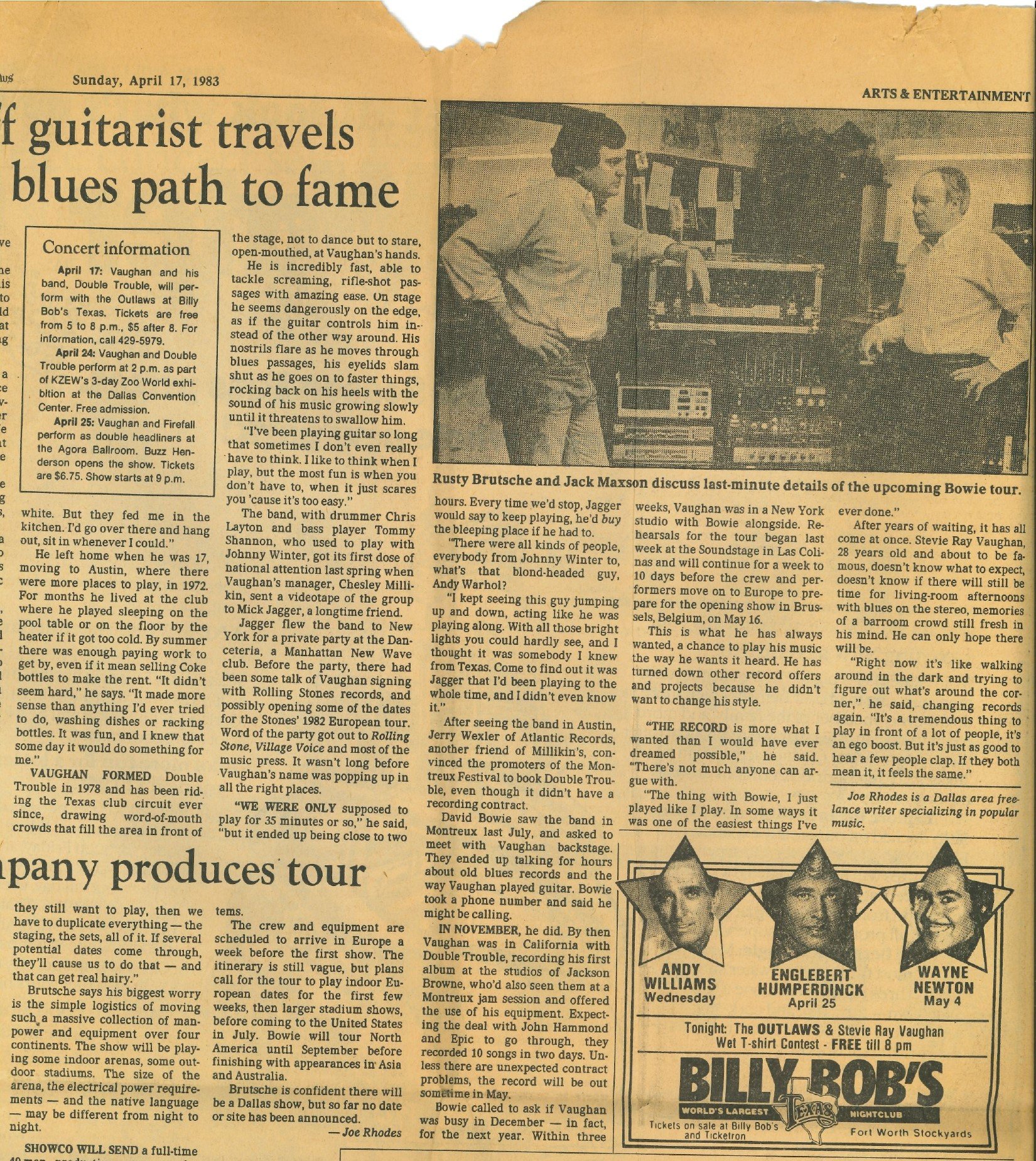
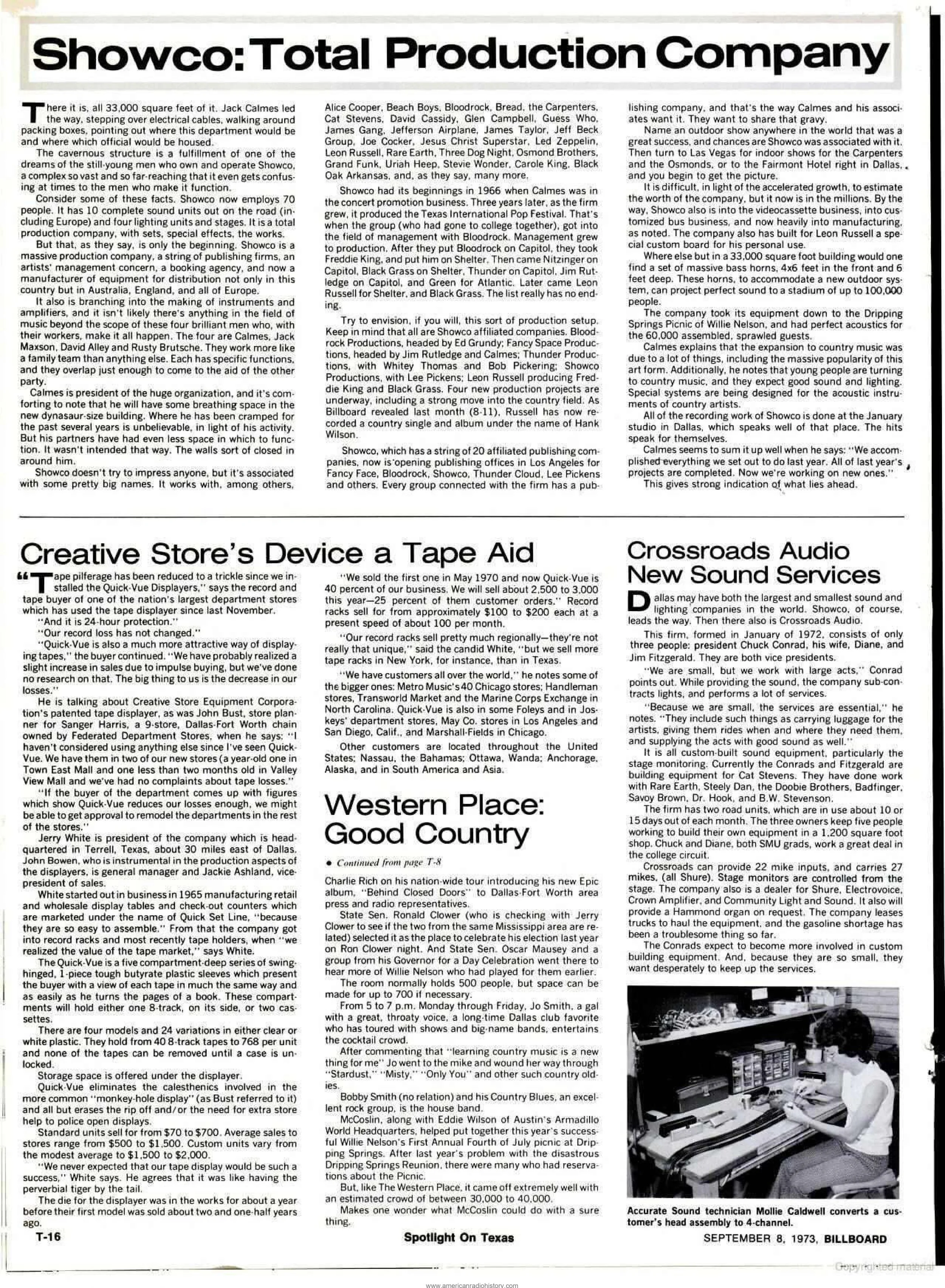
Billboard, September 8, 1973 — “Showco: Total Production Company” names Jack Maxson alongside Jack Calmes, Rusty Brutsche and David Alley as the four principals running Showco during this major period of expansion.
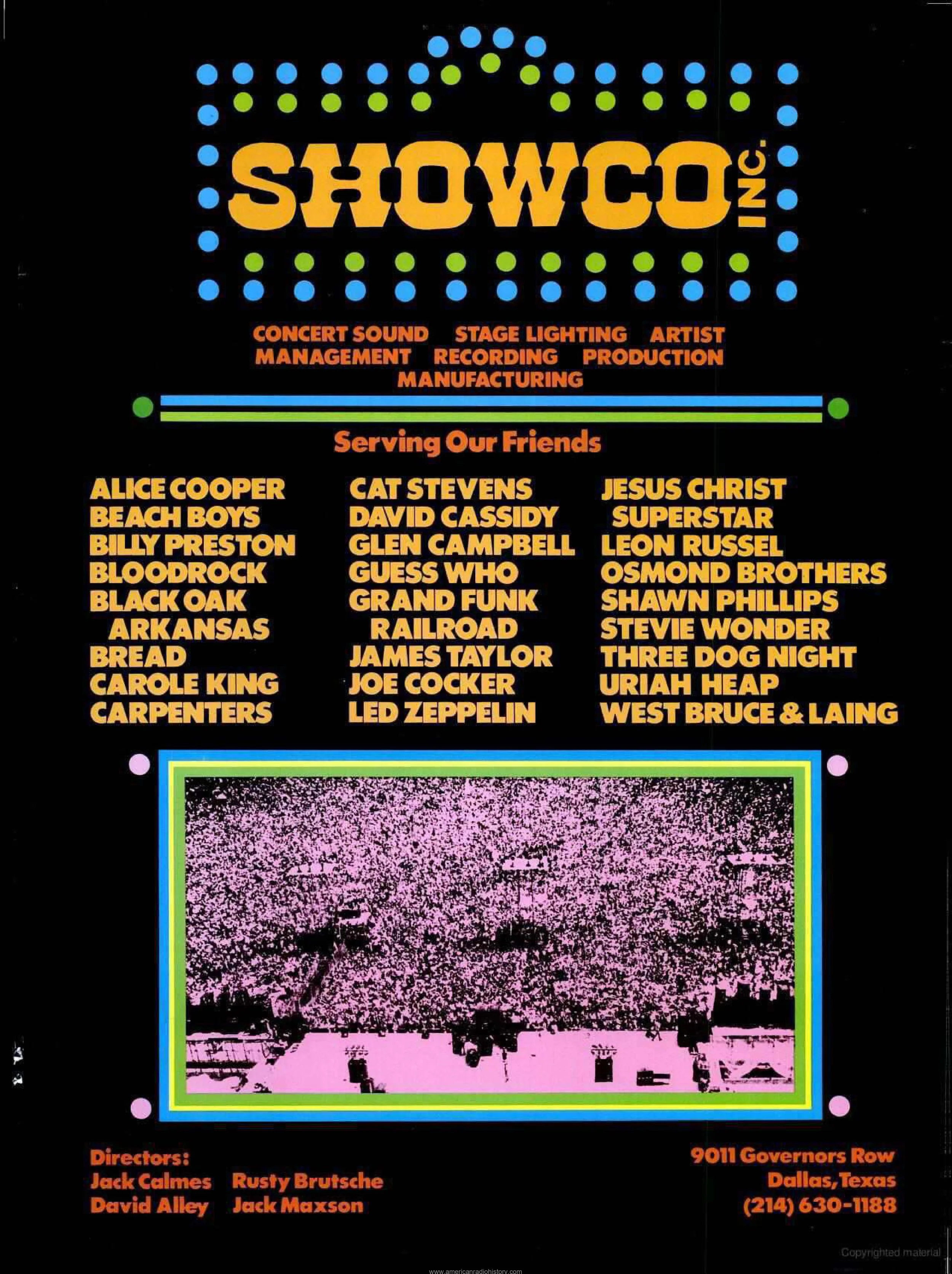
Billboard, September 8, 1973.
💬 Add to the Story
Did you work with this Showco alumnus? Tour together? Share a memorable experience? Recognize yourself or someone else in a photo?
I'd love to hear your memories, stories, corrections, or additional information. Your contributions help preserve The Family Behind the Music.
Every memory shared here helps make the Showco Archives more complete for future generations.